Republican lawmakers have asked the Trump administration to cancel its support for a controversial new lab being built in Colorado to research coronaviruses and other dangerous pathogens, saying it imports the risks of the Wuhan virus lab to the U.S.
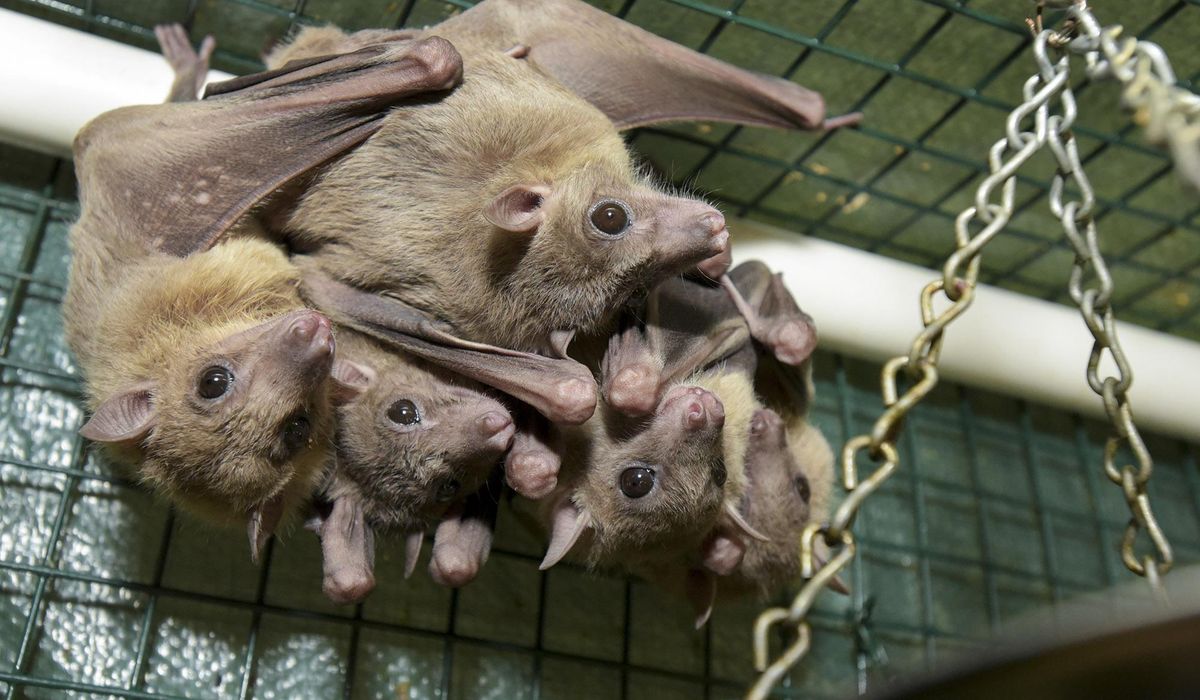
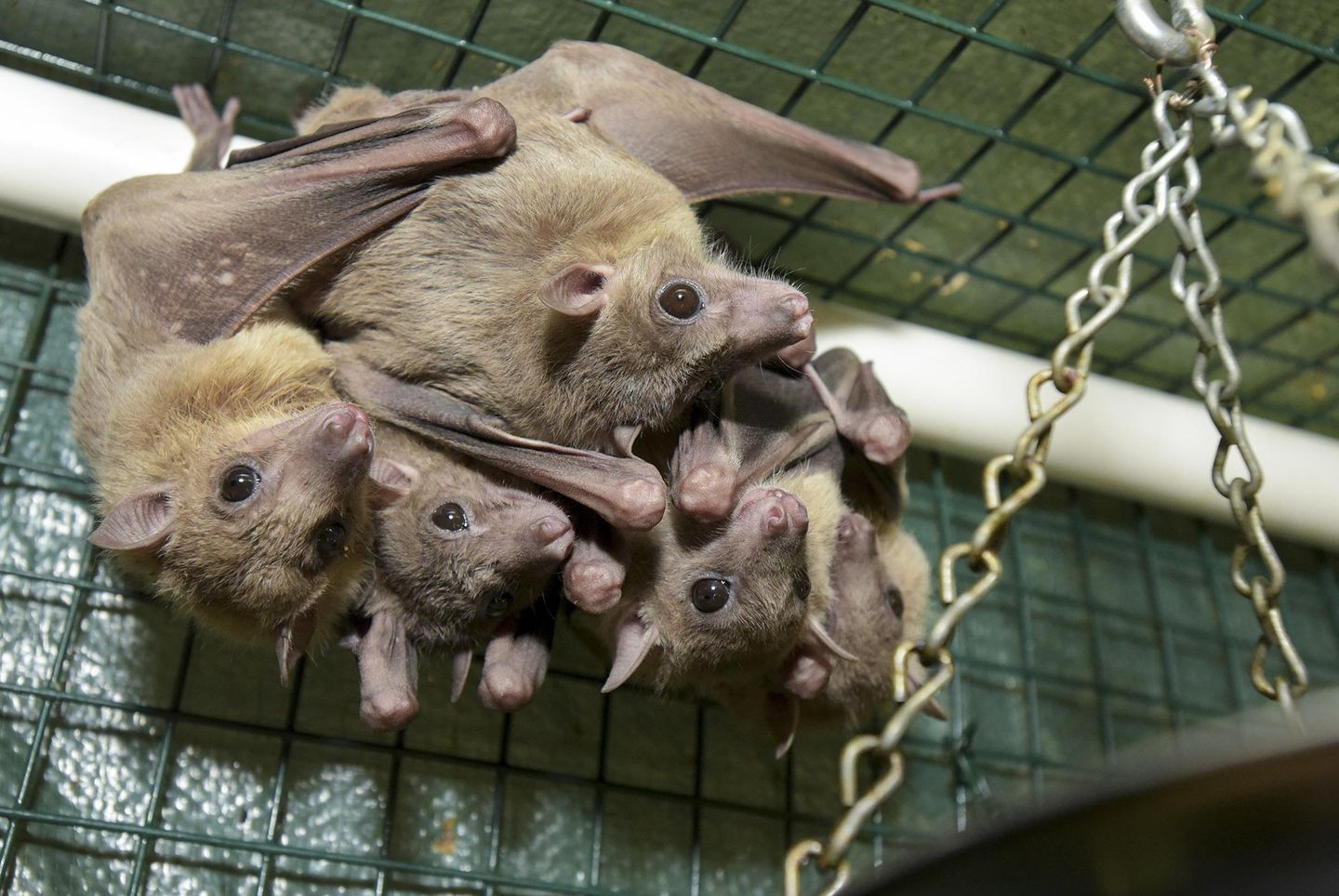
The lab, funded by the National Institutes of Health and being built by Colorado State University, is intended to host a breeding colony of bats that would be used by other labs to study a scary list of viruses, including Ebola, Marburg and the virus at the root of the coronavirus pandemic. The lab would also do some testing itself.
“It is absolutely bonkers to spend tax dollars recreating the same sketchy Wuhan research in America,” said Sen. Joni Ernst, Iowa Republican.
She was joined by Rep. Paul Gosar, Arizona Republican, who demanded a “hard stop” to the experiments.
“NIH should immediately halt remaining funds and stop this project before more taxpayer dollars are wasted on research that carries pandemic-level risk with little clear benefit to the American people,” he said.
The project had been imperiled toward the end of the Biden administration after its bat supplier, EcoHealth Alliance, was banned from government contracts as punishment for mishandling its funding — with taxpayer dollars — of the Wuhan Institute of Virology. Some federal agencies believe that the lab leaked the virus that caused the pandemic.
But the Trump administration helped bolster the U.S. after NIH siphoned another $2.2 million in taxpayer money to it, The Washington Times reported in October.
The money will promote “infection studies” of bats using the Nipah virus, the SARS-CoV-2 virus at the center of the pandemic, and BANAL-52 and BANAL-236, two coronavirus variants closely tied to the pandemic virus.
In a letter to NIH Director Jay Bhattacharya, the two Republican lawmakers said he could halt millions of dollars that have yet to be released to the lab.
“Please do that immediately and stop this batty research,” they said.
The money for the bat lab is particularly curious given Dr. Bhattacharya’s past comments.
In 2024, for example, he questioned the benefit of the research and suggested it was risky.
“This is the kind of research that has the potential to impact your community, but not just your community, every community in the world,” he said at the time, criticizing what he saw as a lack of transparency.
“Why is it that only a small group of people get to decide what risks the entire world gets to take?” he said.
The White Coat Waste Project, which helped expose the U.S. money flowing to the Wuhan Institute of Virology and has been tracking the Colorado project, cited Dr. Bhattacharya’s past criticism in wondering why NIH was renewing the funding.
“Forking over millions more taxpayer dollars to Wuhan-linked mad scientists in the U.S. for dangerous bat virus experiments is a recipe for disaster straight out of Dr. Fauci’s cookbook,” said Anthony Bellotti, White Coat Waste’s founder.
He was referring to Dr. Anthony Fauci, who used to head the National Institute of Allergy and Infectious Diseases.
Emily Hilliard, press secretary at Health and Human Services, which oversees NIH, declined to answer questions about Dr. Bhattacharya’s apparent reversal and said the department will respond directly to the lawmakers about their letter.
CSU already hosts Jamaican fruit bats, which it says are a “model organism” for Ebola and Marburg infections. It plans to establish a new breeding colony of Egyptian fruit bats, which are the principal natural reservoir of Marburg and Sosuga viruses.
The lab said the bats will be verified virus-free before being brought in for use in research.
The lab is slated to perform biosafety level 2 research. According to the latest guidance from the Centers for Disease Control and Prevention, that kind of lab can work with SARS-CoV-2.
But CSU says on its website it “has no plans to conduct gain-of-function infectious disease research with bats that could increase the transmission of a virus or other pathogens to humans.”
Ebola and Marburg viruses are classified as biosafety level 4, the highest level.