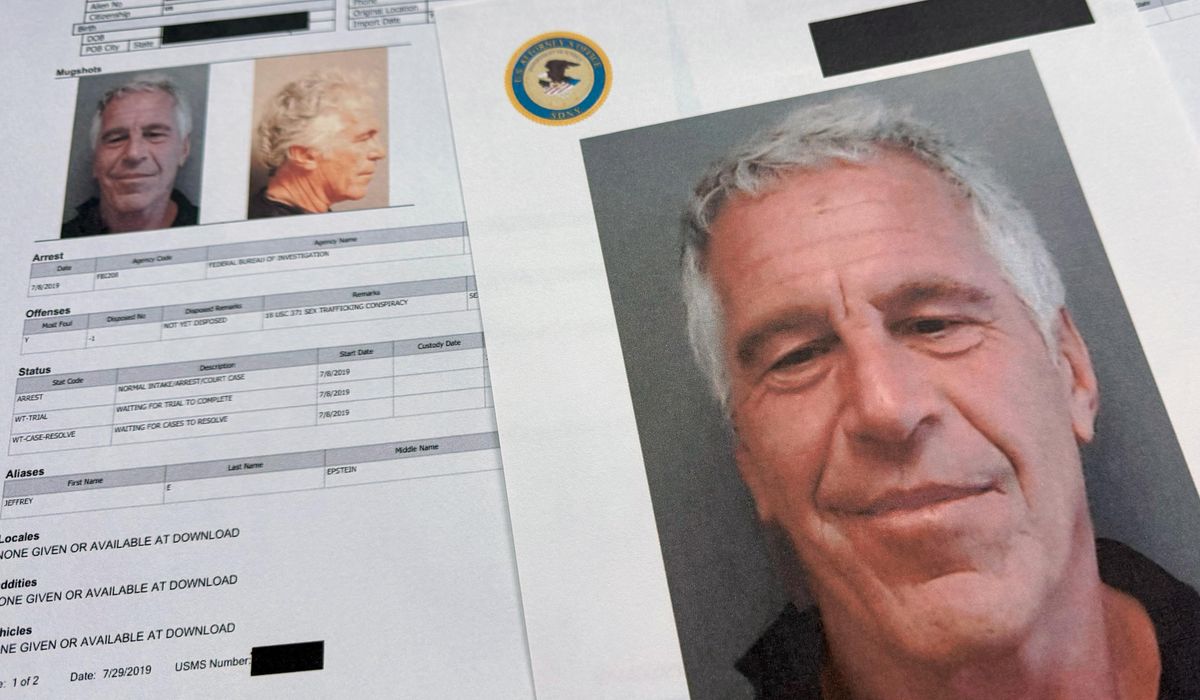
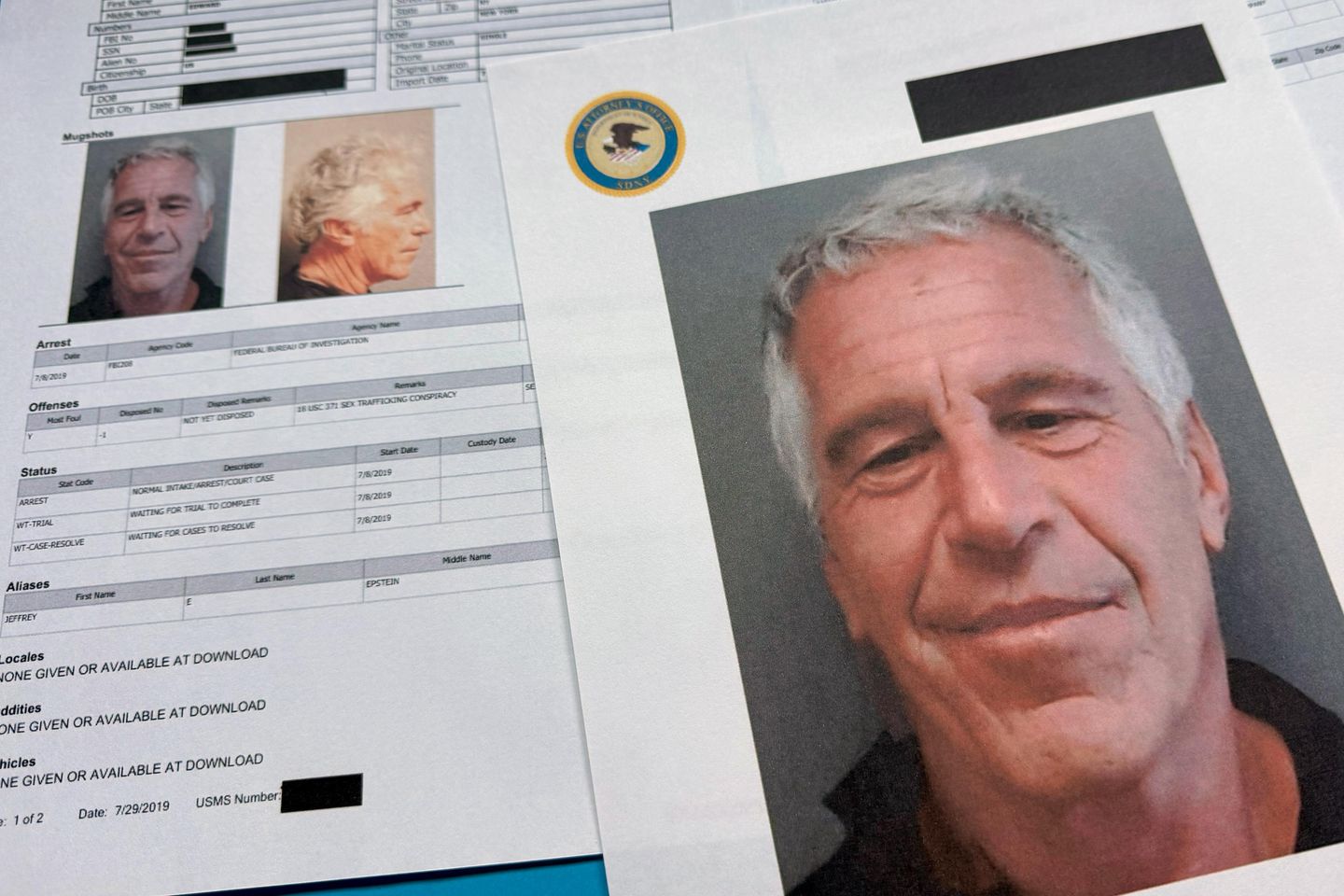
The congressmen who wrote the Epstein Files Transparency Act have asked a federal judge to appoint an overseer to speed up the Trump administration’s review of files from the disgraced and deceased sex offender, saying the Justice Department appears to be bungling the process.
Reps. Thomas Massie, Kentucky Republican, and Ro Khanna, California Democrat, said they have questions about what’s been posted so far and the files the Justice Department posted and then pulled down. They said those decisions have prompted questions about the government’s credibility and only an independent court-appointed “special master” can restore faith in the files.
“Whether the Department’s actions complied with those limits is a fact-specific question that would benefit from neutral, independent review,” the congressmen said in a letter to U.S. District Judge Paul Engelmayer.
Judge Engelmayer is overseeing the criminal case against Ghislaine Maxwell, convicted of complicity in a sex-trafficking operation with Epstein, who took his life before he could face trial on those charges.
He previously had ordered files from that case released in response to the Epstein Files Transparency Act, which Congress passed and President Trump signed last year.
Judge Engelmayer gave the government until Friday to respond.
In their own filing with the court, the congressmen indicated the Justice Department will oppose the idea of a special master.
Mr. Khanna, in a statement, thanked the judge for getting involved.
“The law I passed in Congress required the DOJ to release the full files over three weeks ago. Their failure to do so is a flagrant violation of the law,” he said.
The department last week revealed that it was still reviewing more than 2 million Epstein-related documents for release.
The deadline in the law for releasing them passed on Dec. 19.
As of Jan. 5, only 12,285 documents totaling 125,575 pages had been posted to the Justice Department’s Epstein Library webpage.
The additional documents still to be reviewed include emails, interview notes, prison files, court filings and drafts and “various forms or media.”
A “meaningful portion” of the 2 million files under review is likely to be duplicates, the Justice Department lawyers told the judge in a filing last week.
Jay Clayton, the U.S. attorney in Manhattan, said they’re struggling with how to balance the release of files with the demand — included in the law and judges’ orders — to protect Epstein victims.
“The department remains committed to providing as much protection to the privacy interests of victims and their relatives as is practicable,” Mr. Clayton said in a filing last week.