Don’t miss the full story, whose reporting from The Associated Press is the basis of this AI-assisted article.
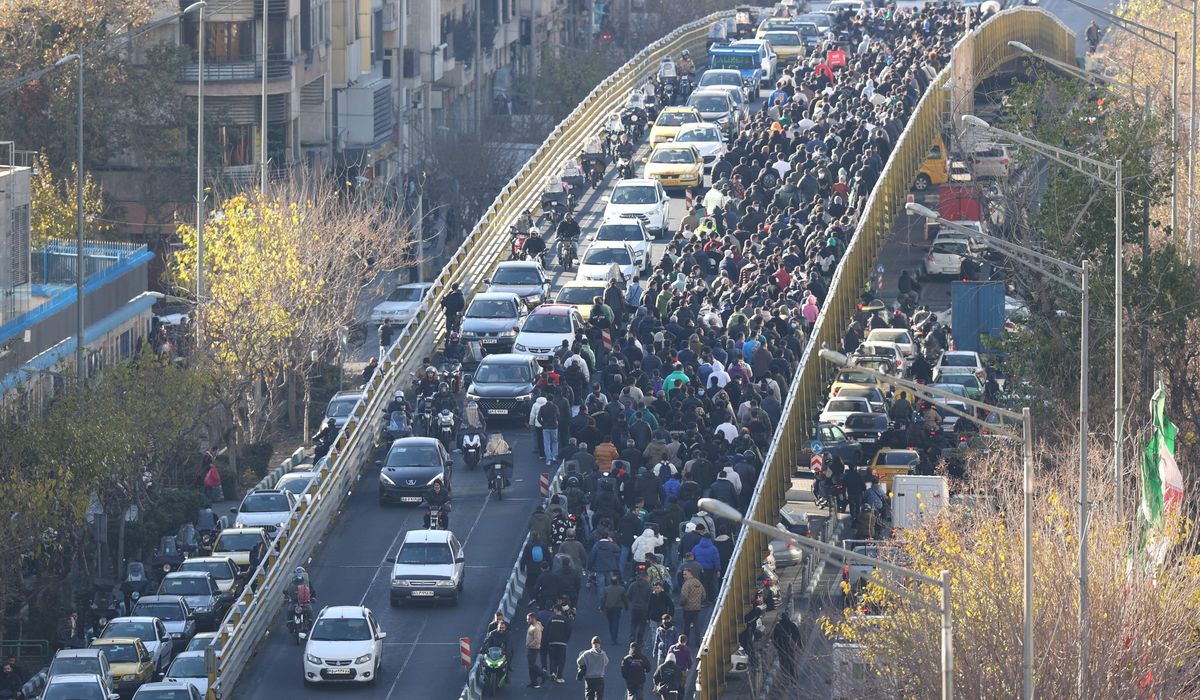
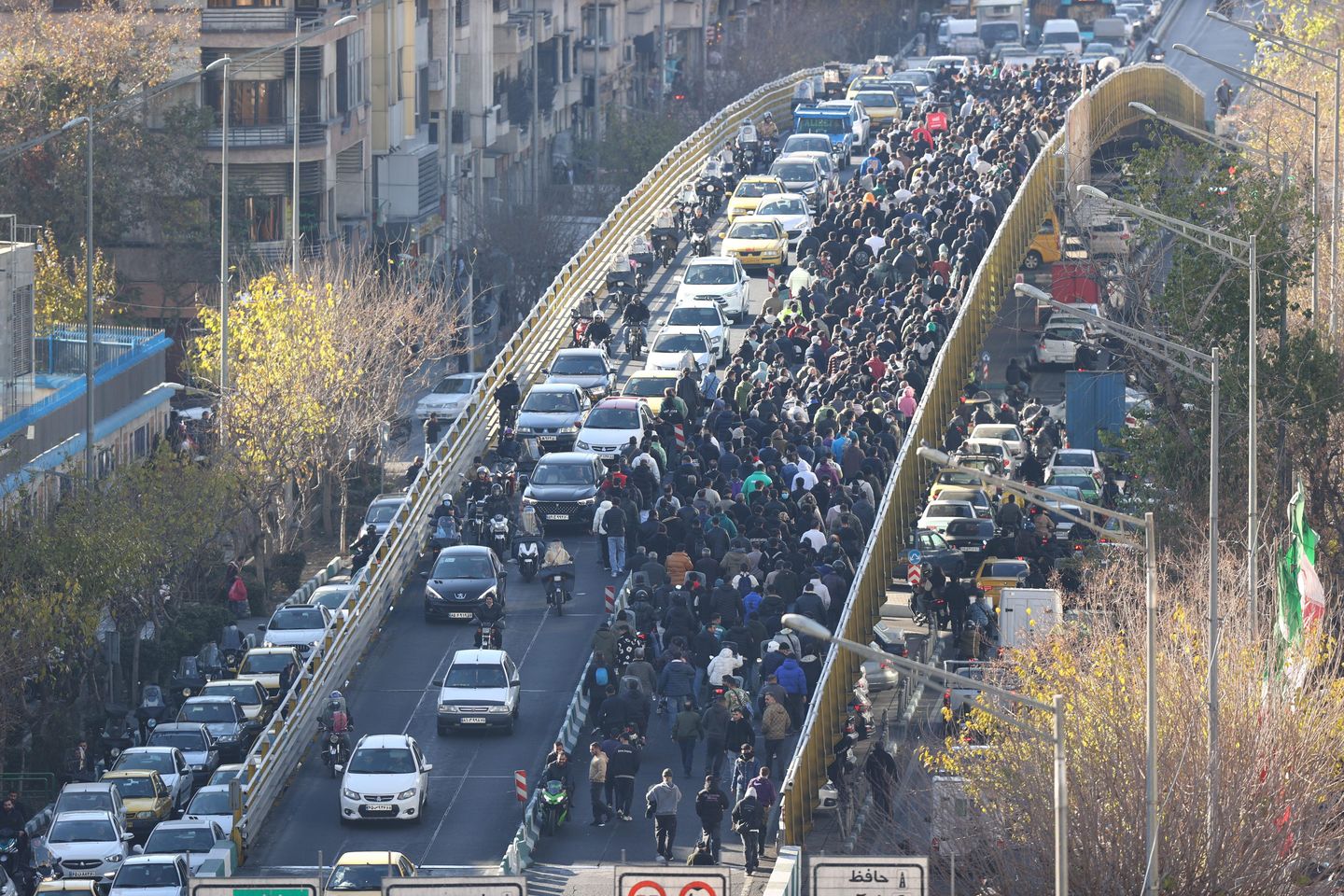
Iran’s Central Bank chief resigned Monday amid widespread protests as the country’s currency hit a record low against the U.S. dollar, triggering demonstrations in Tehran and multiple major cities.
Some key facts:
• Mohammad Reza Farzin resigned as head of Iran’s Central Bank, as reported by state TV.
• The Iranian rial plunged to 1.42 million to the dollar on Sunday and traded at 1.38 million on Monday.
• Protests erupted in Tehran, Isfahan, Shiraz and Mashhad with police firing tear gas to disperse demonstrators.
• When Farzin took office in 2022, the rial was trading at around 430,000 to the dollar.
• Iran’s inflation rate in December reached 42.2%, with food prices rising 72% compared to the previous year.
• Traders and shopkeepers shut their shops in downtown Tehran and near the Grand Bazaar.
• The rial was trading at 32,000 to the dollar during the 2015 nuclear accord before the U.S. withdrew in 2018.
• The United Nations reimposed nuclear-related sanctions on Iran in September through the “snapback” mechanism.
READ MORE: Iran Central Bank governor resigns as protests erupt over currency drop
This article is written with the assistance of generative artificial intelligence based solely on Washington Times original reporting and wire services. For more information, please read our AI policy or contact Ann Wog, Managing Editor for Digital, at awog@washingtontimes.com
The Washington Times AI Ethics Newsroom Committee can be reached at aispotlight@washingtontimes.com.