TLDR:
- Minnesota officials knew about fraud in a children’s meals program weeks into the pandemic but kept money flowing for nearly two years
- Fear of lawsuits and racial backlash — not ignorance — drove the inaction, a new House report says
- $300 million was stolen; total Minnesota program fraud could reach $9 billion
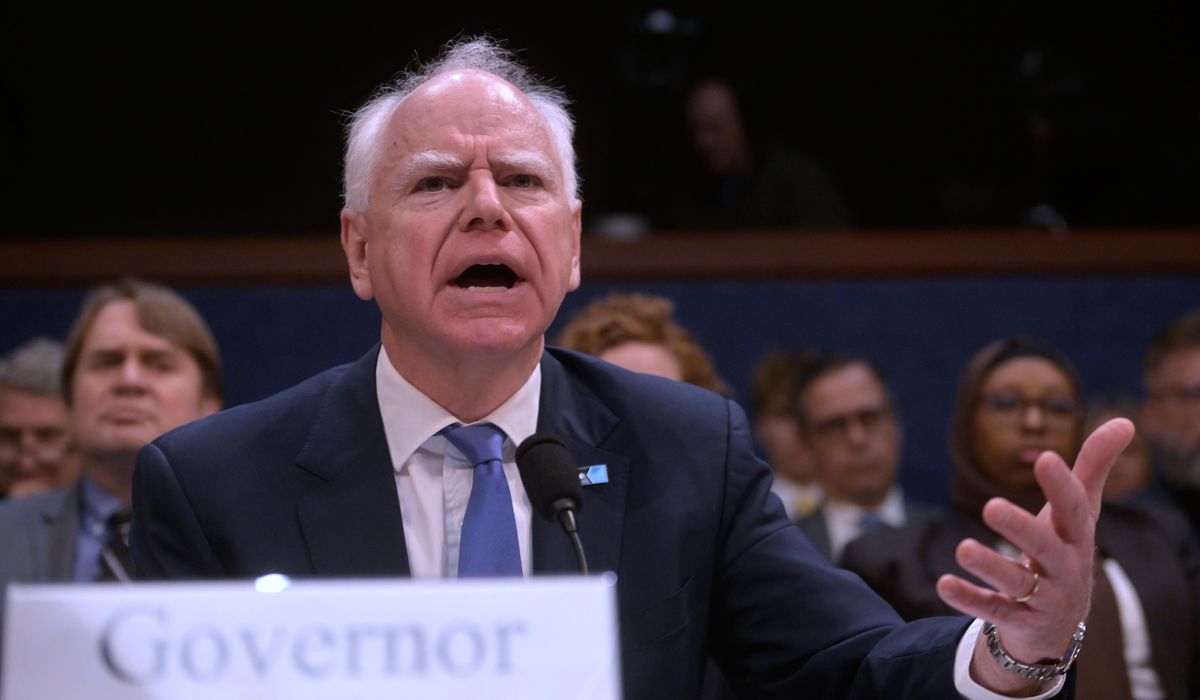
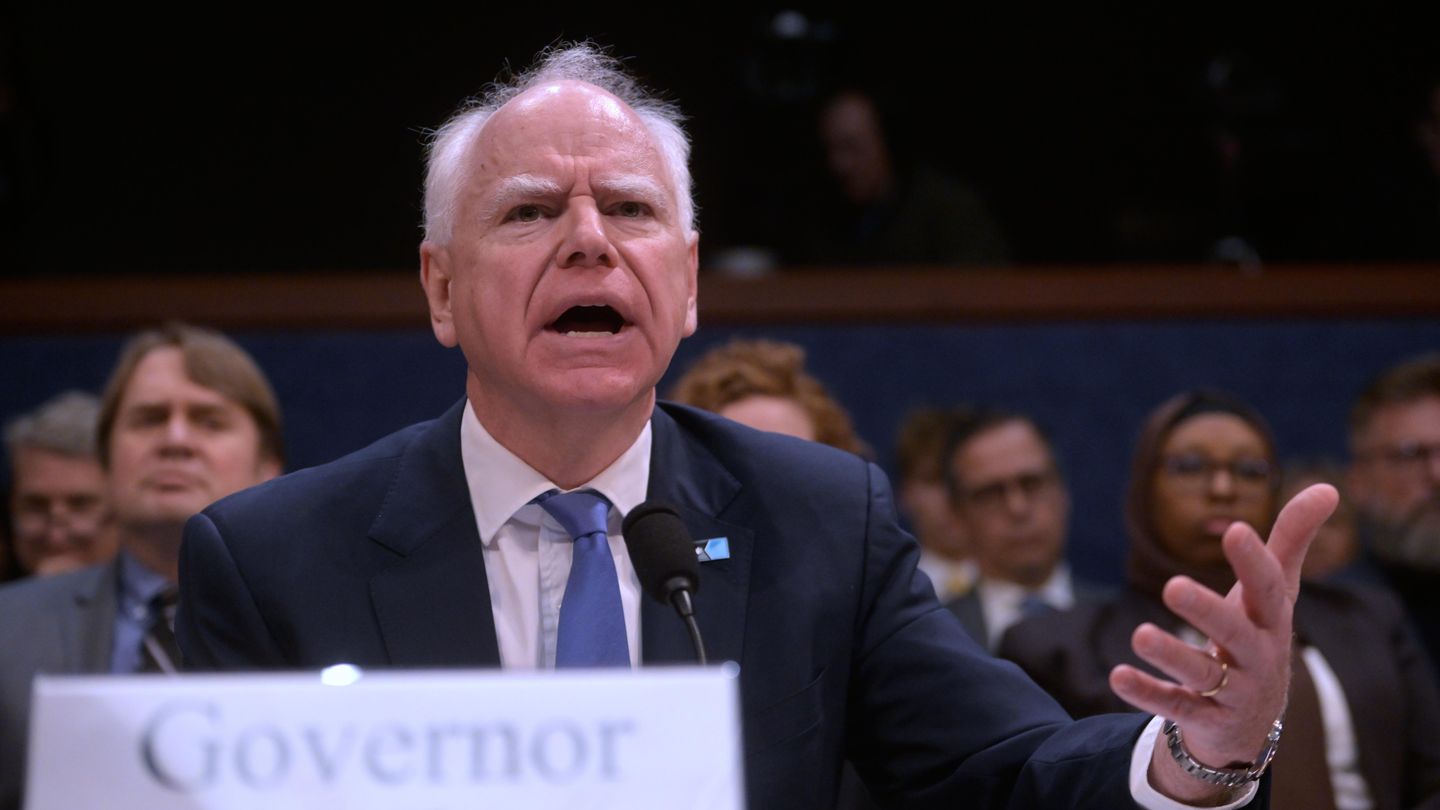
- Gov. Tim Walz was accused at a congressional hearing of lying about a court order that he claimed forced payments to continue
Minnesota officials knew within weeks of the pandemic’s start that a children’s meals program was being defrauded — but kept the money flowing anyway, fearing lawsuits and racial backlash, according to a new House report released Wednesday.
The delay helped fuel one of the largest frauds in U.S. history. Dozens of people — largely from the Minneapolis-area Somali community — now face federal charges for stealing $300 million meant to feed hungry children. Total fraud across Minnesota’s Medicaid and child care programs could reach $9 billion, the House Oversight and Accountability Committee warned.
State officials were first alerted to problems in April 2020. Money continued largely uninterrupted through early 2022.
“They feared lawsuits, bad press and political backlash,” committee Chairman James Comer said.
A former state education official told investigators Minnesota asked federal agriculture officials for written backup authority to suspend payments — but the Trump administration wouldn’t commit in writing.
Mr. Walz, testifying before the committee, claimed a court ordered payments to continue. The judge involved has denied that.
“Either you’re lying or the court’s lying,” Rep. Jim Jordan told Mr. Walz.
“That was not the interpretation of the attorneys,” Mr. Walz replied.
Read more:
• Fear of lawsuits, racial backlash spurred massive Minnesota fraud, House report says
This article is written with the assistance of generative artificial intelligence based solely on Washington Times original reporting and wire services. For more information, please read our AI policy or contact Steve Fink, Director of Artificial Intelligence, at sfink@washingtontimes.com
The Washington Times AI Ethics Newsroom Committee can be reached at aispotlight@washingtontimes.com.