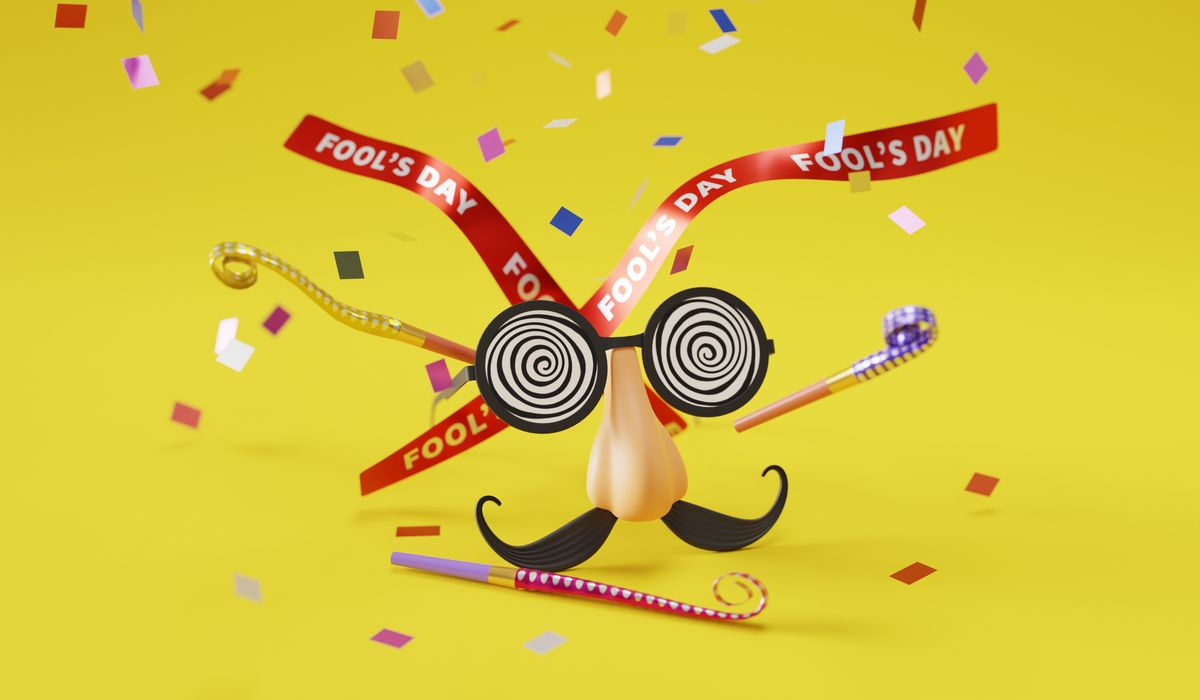
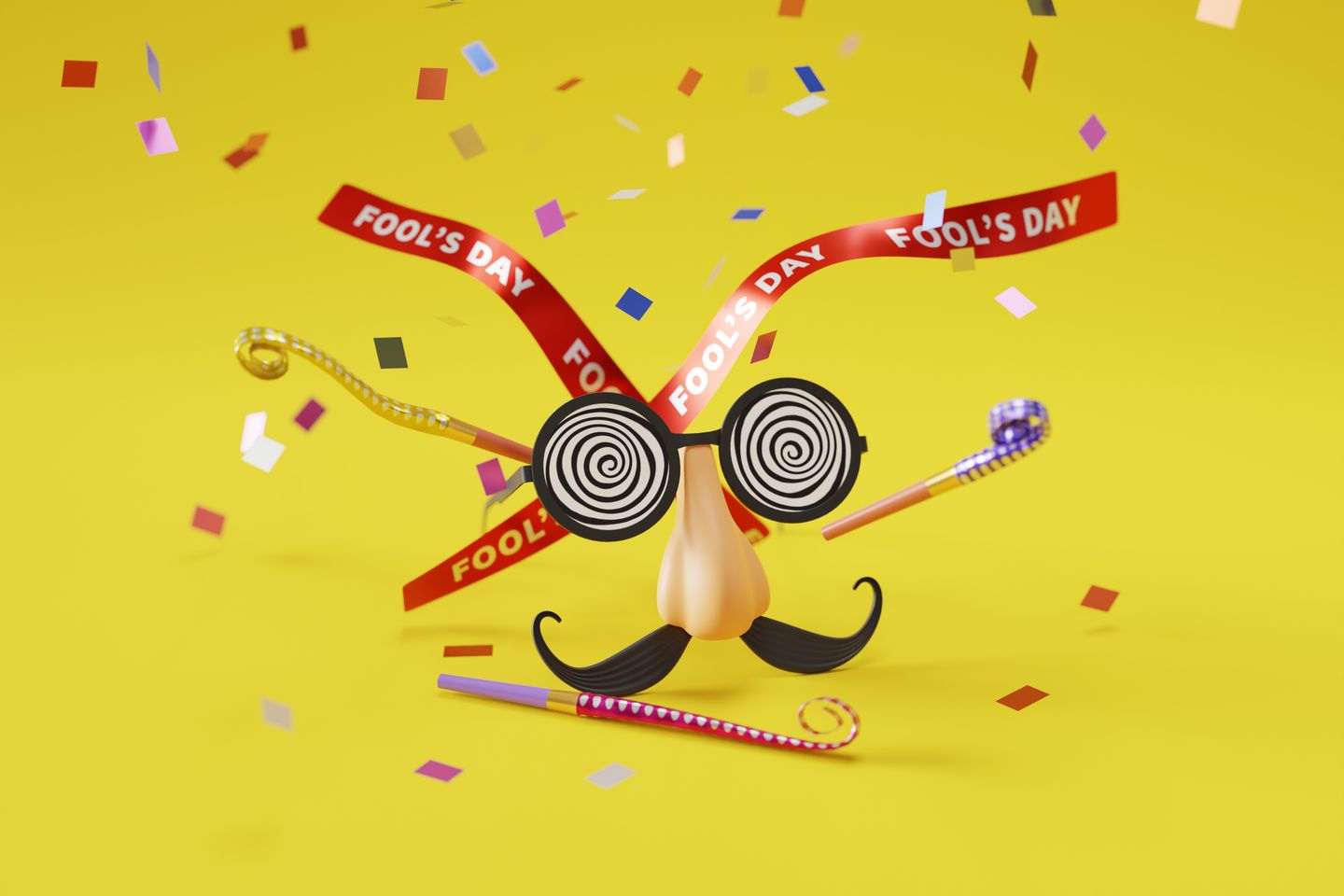
April Fools’ Day arrives Wednesday, and with it, a renewed wave of hoaxes, fake product launches and fruitless errands that have defined April 1 for centuries.
But where did the tradition come from? The short answer, historians say, is that nobody knows for sure.
Disputed origins
The most widely cited theory holds that April Fools’ Day traces to 1582, when France switched from the Julian to the Gregorian calendar. Under the old calendar, the new year began around April 1. Those slow to learn of the change, who continued celebrating in late March and early April, became the targets of jokes and were called “April fools.” Pranks included having paper fish, known in French as poisson d’avril, placed on their backs, symbolizing a young, easily caught fish and a gullible person.
But that explanation is disputed. Writing for the Library of Congress, folklorist Stephen Winick notes that the calendar-change story appears in multiple versions tied to different dates and holidays, suggesting it may be more legend than documented history. The first confirmed reference to April Fools’ Day, Mr. Winick found, is a 1561 Flemish poem by Eduard De Dene, in which a nobleman sends his servant on pointless errands — and the servant recognizes he is being made a fool because it is April 1.
Other proposed origins include Hilaria, a festival celebrated in ancient Rome at the end of March in which citizens mocked one another in disguise, and the vernal equinox, when unpredictable spring weather was said to fool people.
Media and brands join in
Whatever its origins, the holiday had taken firm hold across Europe by the 18th century and eventually became a platform for elaborate media and corporate hoaxes.
In 1957, the BBC reported that Swiss farmers were harvesting a record spaghetti crop, with footage of noodles being pulled from trees. In 1992, National Public Radio ran a segment featuring an actor portraying former President Richard Nixon announcing another presidential run.
Corporate pranks have since become a staple. In 1996, Taco Bell announced it had purchased Philadelphia’s Liberty Bell and planned to rename it the Taco Liberty Bell. In 1998, Burger King advertised a “Left-Handed Whopper,” drawing scores of customers requesting the fictional sandwich. Google has made a near-annual tradition of the day, with gags ranging from a fake scent-search feature to a pet-focused app store.
Not every prank lands cleanly. In 2021, Volkswagen issued a press release three days before April 1 announcing a rebrand to “Voltswagen.” Major outlets reported it as fact before the company reversed course, and the Securities and Exchange Commission investigated the incident — a cautionary tale about the line between clever marketing and market-moving misinformation.
This article was constructed with the assistance of artificial intelligence and published by a member of The Washington Times’ AI News Desk team. The contents of this report are based solely on The Washington Times’ original reporting, wire services, and/or other sources cited within the report. For more information, please read our AI policy or contact Steve Fink, Director of Artificial Intelligence, at sfink@washingtontimes.com
The Washington Times AI Ethics Newsroom Committee can be reached at aispotlight@washingtontimes.com.