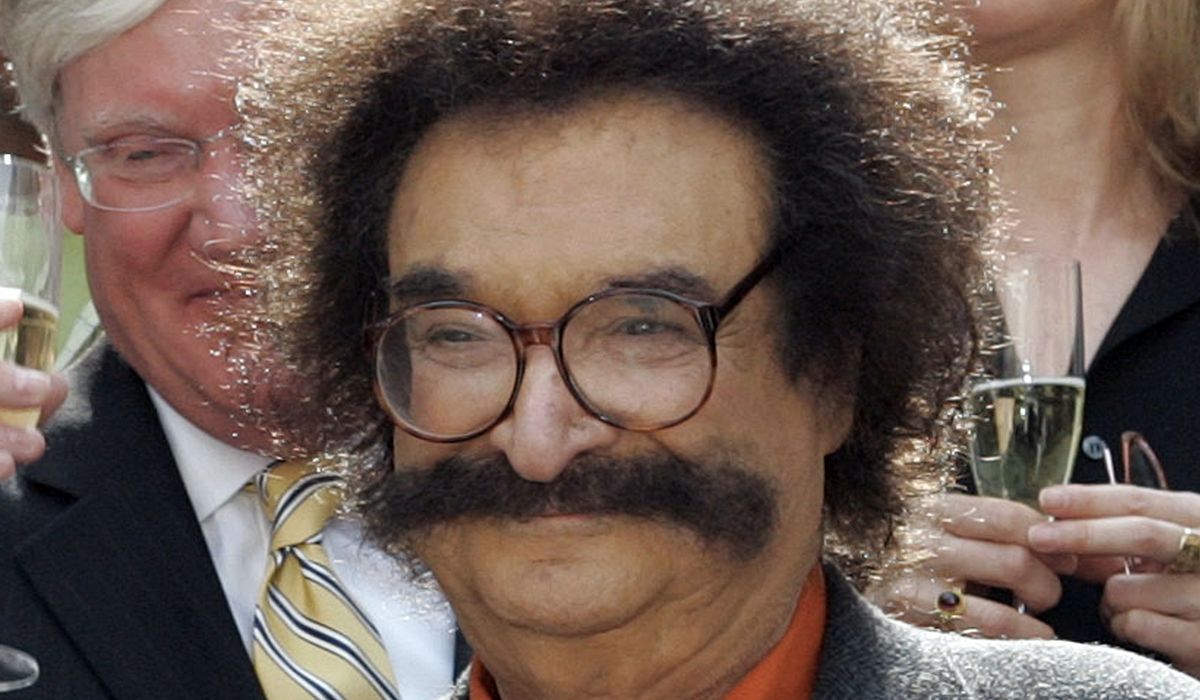
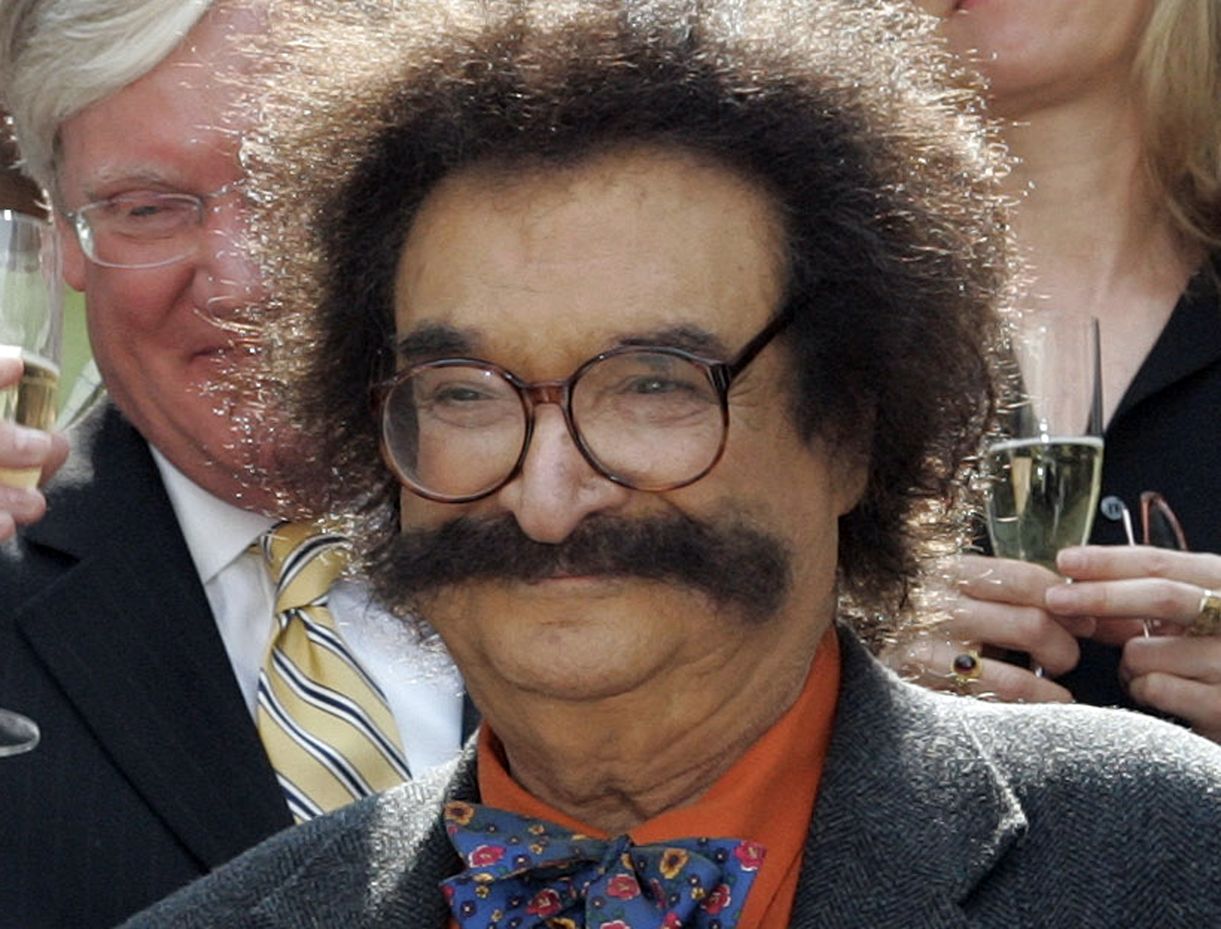
Gene Shalit, the longtime film and book critic for NBC’s “Today” show whose handlebar mustache and colorful bow ties made him one of morning television’s most recognizable faces, turned 100 years old on Wednesday.
Mr. Shalit joined NBC’s “Today” show in 1970 before becoming a regular contributor in 1973. Over the next four decades, he delivered film and book reviews with a distinctive style that combined sharp insights, wordplay and a touch of humor.
Al Roker marked the occasion by sending Mr. Shalit a special birthday wish via Smucker’s jar on Wednesday’s broadcast. Mr. Shalit was reported to be celebrating with his six children and five grandchildren — and preparing to watch his beloved New York Mets.
With his oversized handlebar mustache, fuzzy hair and expressive delivery, Mr. Shalit quickly became one of the most recognizable personalities on television. His reviews were often filled with puns and playful language, making him stand out from more traditional critics and helping him connect with a broad audience.
Beyond his on-air presence, Mr. Shalit built a long career as a journalist and writer, contributing to publications including TV Guide, Ladies’ Home Journal, Cosmopolitan and The New York Times, establishing himself as a widely read voice in entertainment criticism.
From 1970 to 1982, Mr. Shalit also broadcast a daily essay called “Man About Anything” for the NBC Radio Network, which became NBC’s most widely carried radio feature.
His cultural footprint extended well beyond morning television. His distinctive look and style were parodied on shows such as “Saturday Night Live” and “Family Guy,” further cementing his status as a cultural icon.
Mr. Shalit announced his retirement from “Today” after 40 years, effective Nov. 11, 2010, saying, “It’s enough already.” He largely stayed out of the public eye after that, appearing only once — for Willard Scott’s retirement from NBC in 2015.
During the show’s 70th anniversary celebration, Mr. Roker recalled Mr. Shalit’s ability to connect with both audiences and guests, saying he was spectacular in his knowledge and relationships while remaining approachable.
As he celebrates his 100th birthday, Mr. Shalit remains one of the most recognizable figures in the history of television criticism, remembered as much for his personality as for his words.
This article was constructed with the assistance of artificial intelligence and published by a member of The Washington Times’ AI News Desk team. The contents of this report are based solely on The Washington Times’ original reporting, wire services, and/or other sources cited within the report. For more information, please read our AI policy AI policy or contact Steve Fink, Director of Artificial Intelligence, at sfink@washingtontimes.com
The Washington Times AI Ethics Newsroom Committee can be reached at aispotlight@washingtontimes.com.