Don’t miss the full story from our staff writers, whose reportage is the basis of this article.
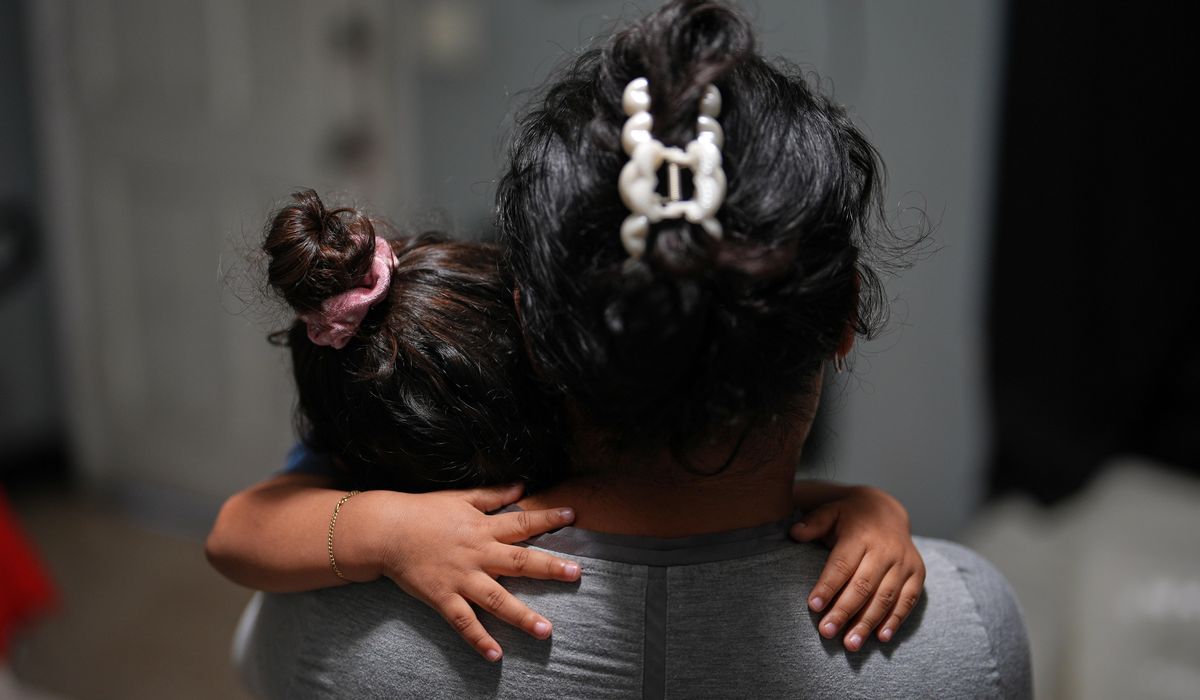
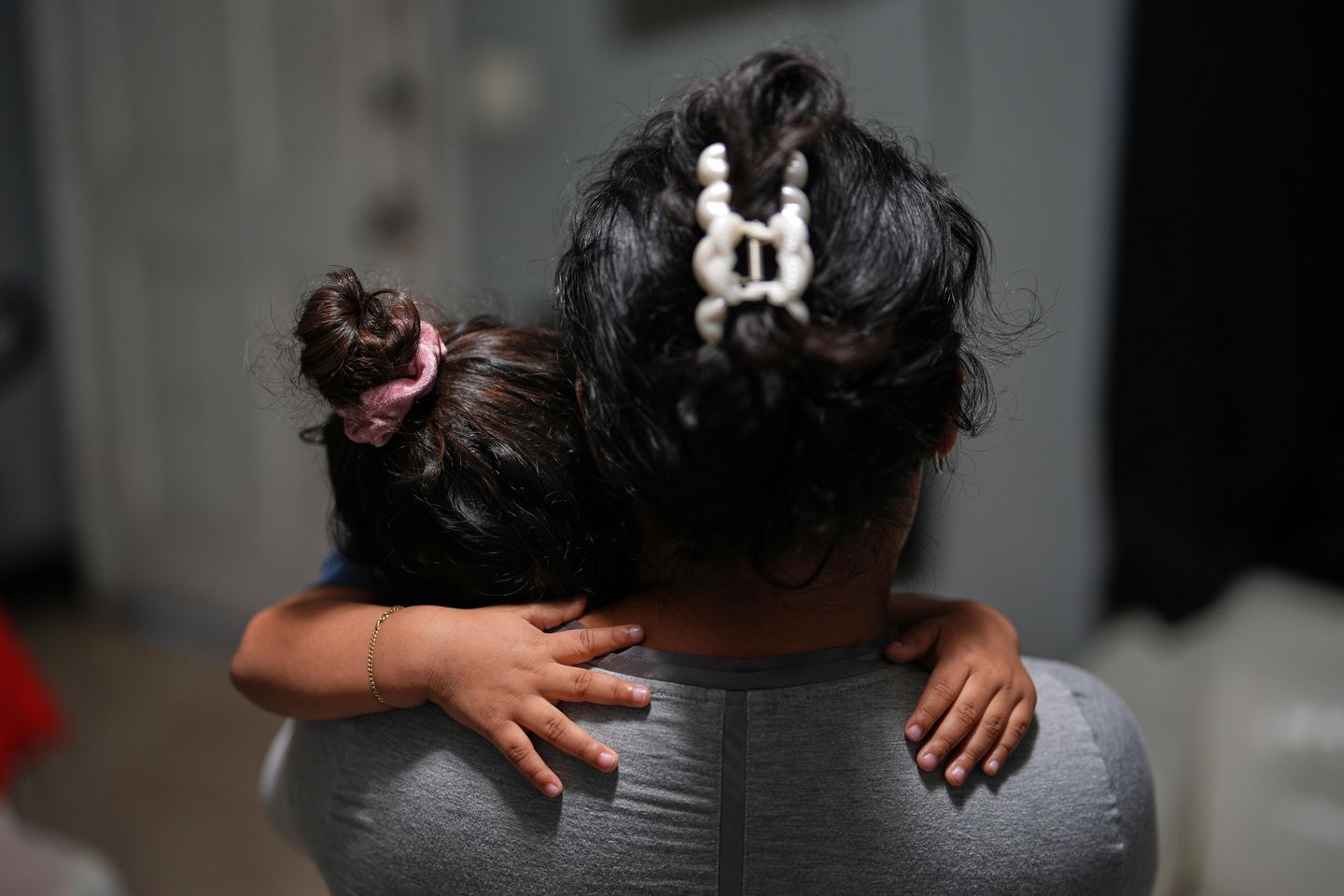
A 3-year-old boy died in Florida after suffering horrific abuse at the hands of his uncle, highlighting the difficult choices illegal immigrant parents face when they are deported and must decide whether to take their children with them or leave them behind.
Samuel Antonio Maldonado Erazo has been indicted in Escambia County, Florida, on a first-degree murder charge. Authorities say the boy — the son of Maldonado Erazo’s sister — was struck on the head at least 17 times, had burn marks on his skin, a severed pancreas, a fractured collarbone and broken ribs so severe they detached from his spine. Florida authorities said the child died of cardiac arrest connected to the abuse.
The boy’s mother, Wendy Esther Hernandez Reyes, was deported in January and chose to leave her son in the U.S. with her brother rather than take the child with her. Department of Homeland Security officials called the case “absolutely sickening.” Todd Lyons, acting ICE director, said the agency gives parents the opportunity to be deported with their children, but Reyes chose to leave her son behind.
ICE said Maldonado Erazo entered the U.S. in 2021 with his daughter, a Honduran citizen, taking advantage of Biden-era catch-and-release policies. He had no prior criminal record in the U.S. His arrest, along with that of his wife, has left their three children — the youngest two of them U.S. citizens — in the custody of the Florida Department of Children and Families.
The case has drawn attention to a broader pattern. ICE data shows 15,725 deportations of family-unit migrants between Oct. 1 and Feb. 7, compared with 146,467 single adults deported during the same period.
Jessica Vaughan of the Center for Immigration Studies said it is concerning how many parents choose to leave children behind without fully weighing the risks, and that immigrant advocacy groups sometimes encourage parents to do so when children are U.S. citizens or receive benefits.
Former ICE deputy director Scott Mechkowski said deported parents face only three options for their children: deportation together, placement with a relative or friend in the U.S., or entry into foster care.
He emphasized that ICE enforces the law but does not dictate outcomes in family cases.
Read more: Deported parents agonize over children’s fate
This article was constructed with the assistance of artificial intelligence and published by a member of The Washington Times’ AI News Desk team. The contents of this report are based solely on The Washington Times’ original reporting, wire services, and/or other sources cited within the report. For more information, please read our AI policy or contact Steve Fink, Director of Artificial Intelligence, at sfink@washingtontimes.com
The Washington Times AI Ethics Newsroom Committee can be reached at aispotlight@washingtontimes.com.