A federal judge has ruled that Prince George’s County authorities can force residents of an Adelphi-area condominium to evacuate the building more than four months after homeless people were accused of disabling its heating system.
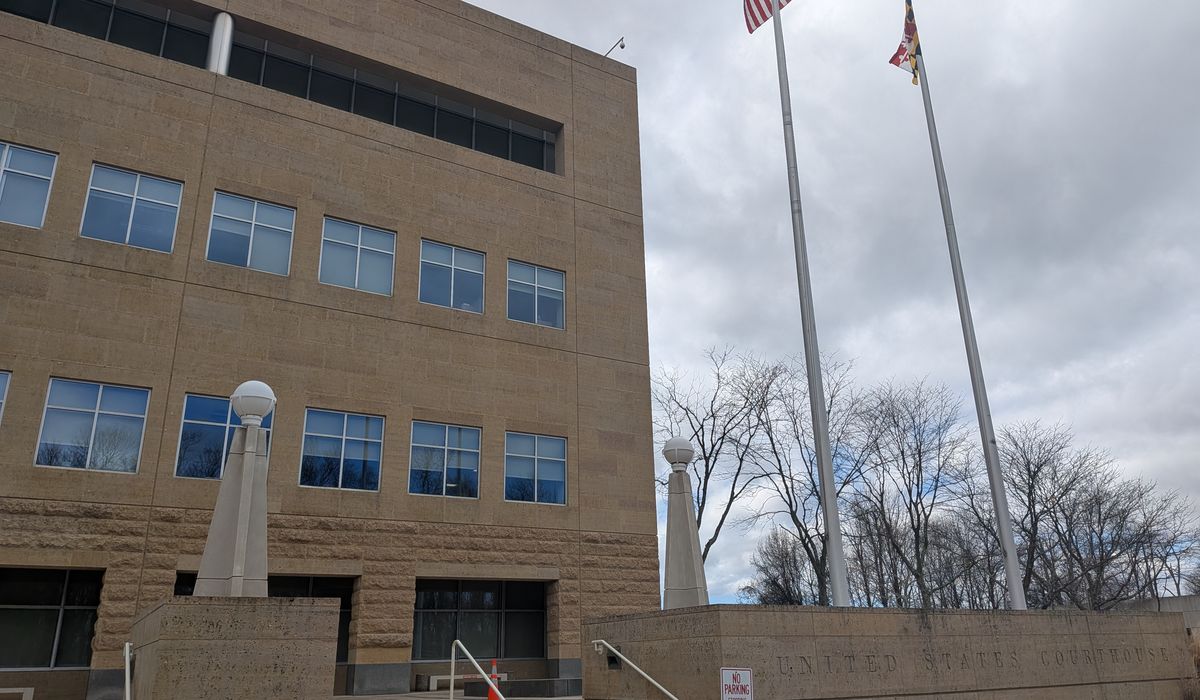
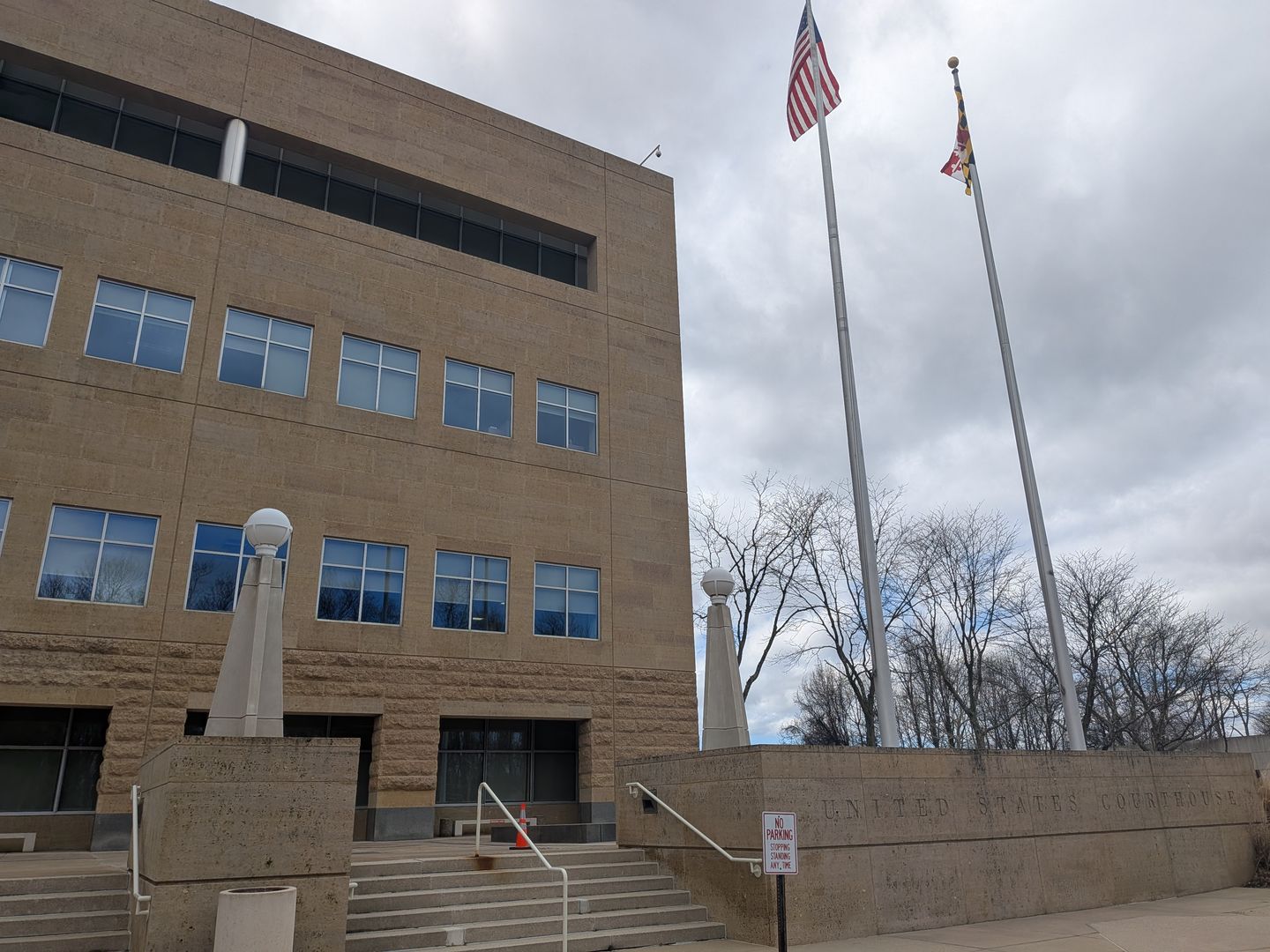
U.S. District Magistrate Judge Ajmel A. Quereshi said Friday that he could not stop deputies from forcibly removing residents from the Marylander Condominium because their homeowners’ council failed to go through state courts before coming to him. He cited legal precedents that block federal courts from overturning state orders without cause.
“While the public interest favors keeping individuals from being forced from their residences, even if temporarily, it also favors the enforcement of housing regulations which serve the public good,” Judge Quereshi wrote Friday in a 14-page opinion.
He gave the condo council 15 days to amend and refile its lawsuit, conceding that the council had “arguably” proved that forced removal would cause “irreparable harm” to residents with pending immigration cases requiring uninterrupted mail delivery.
“Accordingly, the Court agrees that the unit owners, who make up the Council, face the threat of irreparable harm because of forced removal from their homes, even if the attendant consequences Plaintiff has alleged do not occur,” wrote Judge Quereshi, whose courtroom is in Greenbelt.
Roughly half of the Marylander’s 200 units lost heat when a boiler ruptured the day before Thanksgiving. Homeowners from 58 of 108 affected units refused to comply with an “unfit for human habitation” evacuation notice that county inspectors posted on Dec. 10.
Court papers show the condo council has been unable to secure a loan for repairs since the notice’s directive to “vacate immediately” prompted a bank to withdraw financing.
The lawsuit accused county officials of violating homeowners’ constitutional due process rights by ordering them to leave indefinitely while property managers carry out piecemeal repairs.
It seeks millions of dollars in damages and also blames county officials for creating the crisis by servicing the homeless encampment and allowing it to flourish with open-air fires and tents on a neighboring lot.
Residents insist that transients regularly break into their buildings’ common spaces to defecate, copulate, sleep and use illegal drugs.
Responding to Judge Quereshi’s ruling, several condo owners filed an emergency motion in a state circuit court on Monday to block the evacuations.
“The Council may amend its federal complaint to add additional claims against the County, however,” Duane Demers, an attorney representing residents in state and federal courts, said in an email.
Condo owner Beverly Habada, president of the council and a former city manager in Glenarden, said an amended federal complaint could address the county’s safety concerns about people remaining in their homes during repairs.
In a Feb. 17 enforcement order, Maryland District Judge Bryon Bereano directed property managers to begin repairs and authorized county officials to evacuate the condo units.
Judge Bereano urged deputies to “step up” evacuations during a March 17 status hearing. He also scheduled an April 21 follow-up hearing on the repair progress, but acknowledged he could lose jurisdiction over the case before then.
The county’s Department of Permitting, Inspections and Enforcement has asked a circuit court to place the Marylander in receivership as early as Tuesday.
Since Thanksgiving, the condo has been without heat through one of the coldest winters in years, but the county requires indoor temperatures of at least 70 degrees Fahrenheit for a building to be habitable.
Inspectors have also raised safety concerns about high-voltage wires that contractors built to power residents’ space heaters. They accuse property manager Quasar of delaying repairs and say there is no evidence that homeless people vandalized the boiler.
Receivership would allow the circuit court to appoint a neutral third party to take over the Marylander’s operations, pay bills and make repairs while residents are evacuated.
County attorneys said during a March 23 hearing in Judge Quereshi’s courtroom that officials planned forced evacuations within the next two weeks.
It remains unclear how his ruling and the state lawsuit filed Monday affect those plans.
The Prince George’s County Sheriff’s Office, which would carry out any forced removals, did not respond to a request for comment.
“Enforcing court orders is a sheriff’s function,” Stephen J. Williams, a deputy county attorney involved in the case, said in an email. “I would encourage residents, for their own safety, to utilize the resources made available by the County and its Partners to relocate until these conditions can be abated.”
The office of County Executive Aisha Braveboy, a Democrat, has repeatedly urged residents to move into hotels until the county signals it is safe for them to return.
Families remaining in units without heat or hot water have insisted they have nowhere to go.
Kenneth Brown, Quasar’s CEO, said forced evacuations would plunge the condo association into “financial ruin” because residents could not afford to pay condo dues on top of the relocation costs.
“We knew the federal lawsuit was a long shot, but it was a strategic move to delay things,” Mr. Brown said Monday in a phone call. “The county is racing against time as the weather warms up. Why evict anyone because of a broken heating system if it’s warm enough?”