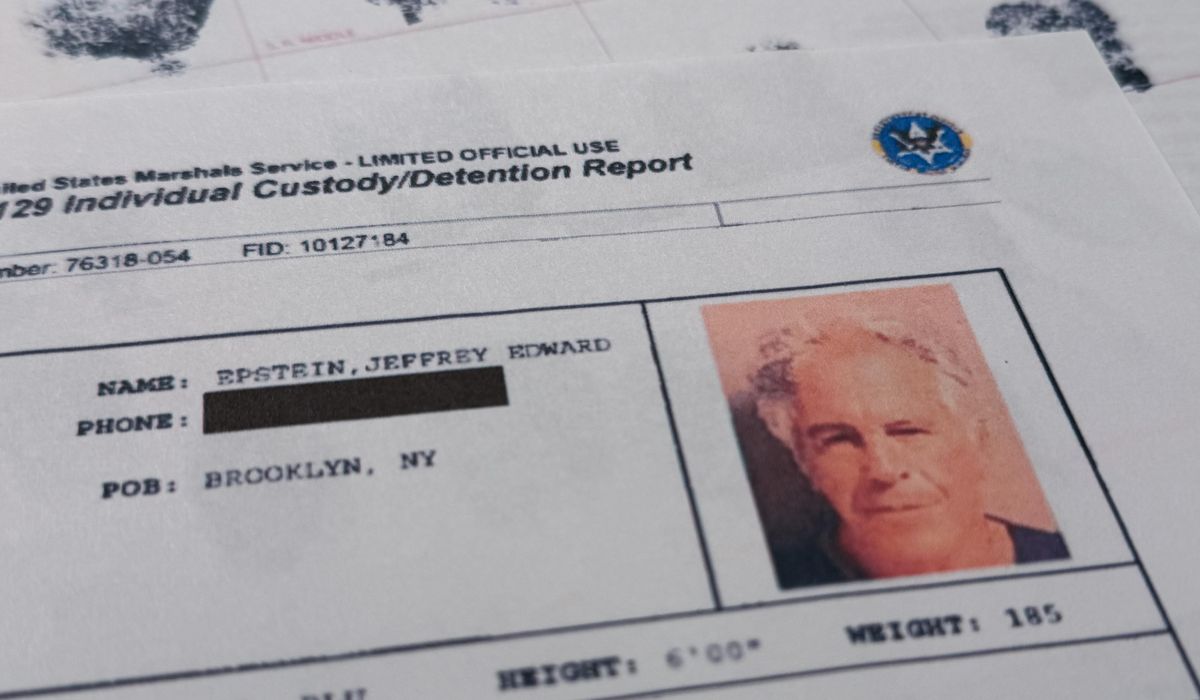
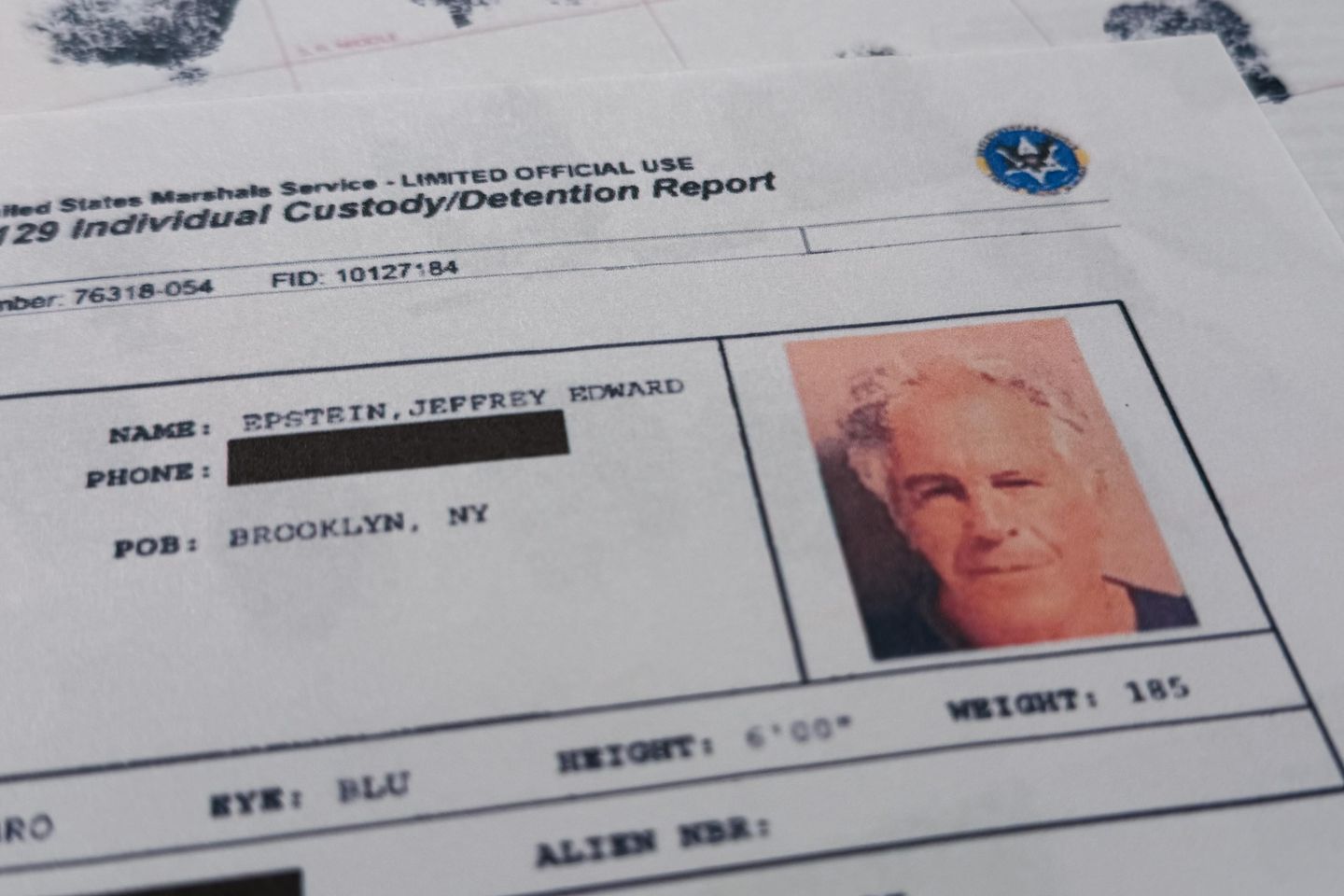
A woman who said she is a survivor of sex offender Jeffrey Epstein has filed a class-action lawsuit against the U.S. government, claiming officials wrongly released information on 100 victims as part of the recent document dump.
The woman, suing anonymously, also named Google in her lawsuit Friday, saying that even after the federal government retracted the information, the search engine continues to display it.
“Survivors now face renewed trauma. Strangers call them, email them, threaten their physical safety, and accuse them of conspiring with Epstein when they are, in reality, Epstein’s victims,” the lawsuit said.
The release of victim information was one of the stumbles as the Justice Department tried to comply with the Epstein Files Transparency Act, signed into law last year, which required the government to publish everything it had on Epstein. The convicted sex offender was awaiting trial on sex trafficking charges when he took his own life in 2019.
The law required speed and ordered documents not to be shielded just because they might embarrass a public figure. But the law did require victims’ information to be redacted.
Those proved to be conflicting mandates.
Some full names, phone numbers, addresses and photos were released. In other cases, partial information was released in a way that allowed persistent readers to put together enough information to identify people.
The Justice Department has acknowledged releasing thousands of pages of documents that revealed some identifiable information of people who have said they are Epstein survivors. The department says it has pulled down, redacted and republished documents.
But the damage was done, the lawsuit said.
“The United States, acting through the DOJ, made a deliberate policy choice to prioritize rapid, large-volume disclosure over protection of Epstein survivors’ privacy,” the lawsuit said.
As for Google, the lawsuit said its artificial intelligence tool that summarizes search results has been republishing victims’ information even after the government pulled it down.
Lawyers for the Jane Doe plaintiff said in the lawsuit that they ran her name through Google’s AI asking if her name appeared in the file release. Google’s tool said it did appear as the sender in email messages. The AI provided the woman’s name and email address.
The woman said she notified Google of the publication, but the information hasn’t been changed.
The Washington Times has sought comment from the Justice Department and Google for this story.
The lawsuit was filed in U.S. District Court in northern California.