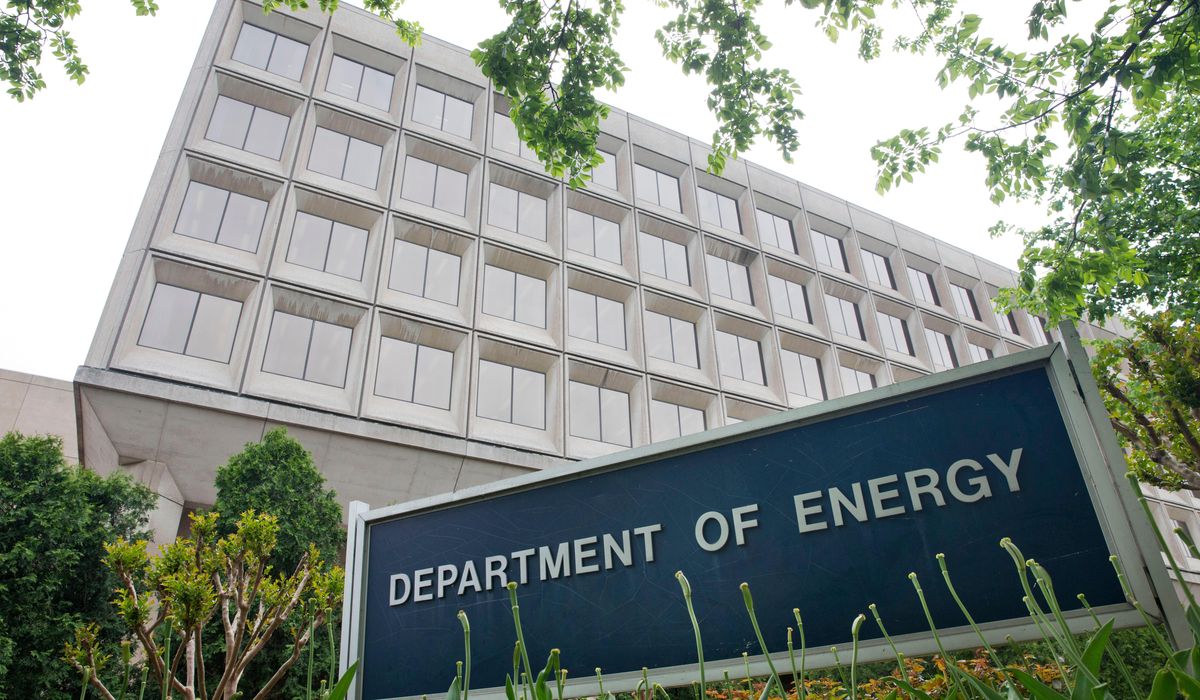
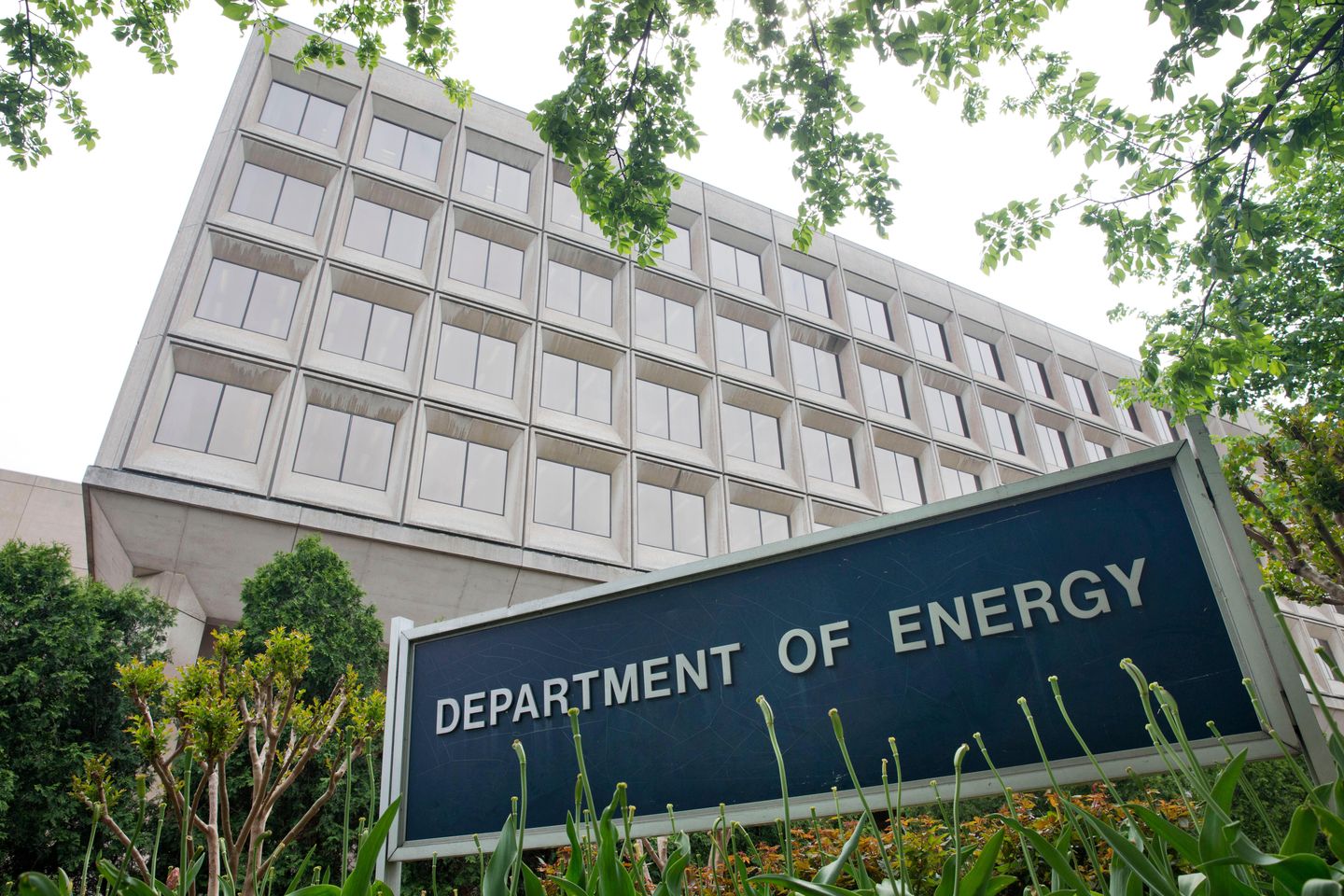
The defense authorization bill for fiscal 2026 contains several new measures designed to increase security at the Energy Department and its National Nuclear Security Administration which is in charge of nuclear weapons.
A new section of the bill on “Atomic Energy Defense” requires a series of new security measures, including new restrictions on people from China and other foreign adversary states from gaining access to sensitive facilities.
The restrictions prevent nationals from China, Iran, North Korea and Russia from entering Energy facilities except for public locations. Also restricted are nationals from those nations who may be conducting inspections on behalf of the International Atomic Energy Agency.
The new rules also will add polygraph or lie-detector tests of suspects in Energy Department counterintelligence investigations.
“The purpose of the new program is to minimize the potential for release or disclosure of classified data, materials, or information,” the legislation states.
The new security measures are contained in the fiscal 2026 defense authorization bill that passed the Senate on Wednesday and is now headed to the White House for the expected signature by President Trump.
The bill also requires greater reporting requirements to Congress for certain security and counterintelligence failures related to atomic energy defense programs.
The failures are defined as an intelligence loss or compromise of classified information at an Energy facility or one operated by a contractor that is expected to cause significant harm to U.S. national security.
Another section of the bill will require an annual report and certification regarding the security of defense nuclear facilities.
The measures also call for increasing the defenses at nuclear facilities against uncrewed aerial aircraft. The defenses must include capabilities for halting drone incursions near nuclear sites.
The measures must include passive or active defenses and direct or indirect physical, electronic, radio, and electromagnetic means.
Cyberattacks against computer networks at nuclear facilities also must be reported regularly to Congress, according to another section of the bill.
Greater review of classified nuclear weapons documents will also be required under the bill to prevent the disclosure of sensitive or classified weapons information.
The Energy Department also will be required to set up a pool of specialists trained and tasked with countering spying and intelligence gathering threats posed by foreign nationals against department employees who travel abroad for laboratory-to-laboratory exchanges.
The new security measures in the bill coincide with an investigation by the House Select Committee on the Chinese Communist Party revealing how Energy collaboration with China was used to advance China’s nuclear weapons and other high-technology arms programs.
Chinese theft of nuclear weapons secrets from the Energy Department has been underway for decades.
In the late 1990s, intelligence officials disclosed that Beijing agents acquired through espionage secrets related to at least seven of the most advanced U.S. nuclear warheads.
The warheads included the W-88 warhead deployed on submarine-launched ballistic missiles, the W-56 on the Minuteman II missile, the W-62 Minuteman III, the W-70 Lance, the W-76, another SLBM warhead, the W-78 Minuteman III Mark 12A, and the W-87 Peacekeeper, and the developmental enhanced radiation version of the W-70 known as the neutron bomb.
A U.S. intelligence report from 1998 stated that the Energy Department “is under attack by foreign collectors.”
“The losses are extensive and include highly classified nuclear weapon design information to the Chinese,” the report stated.