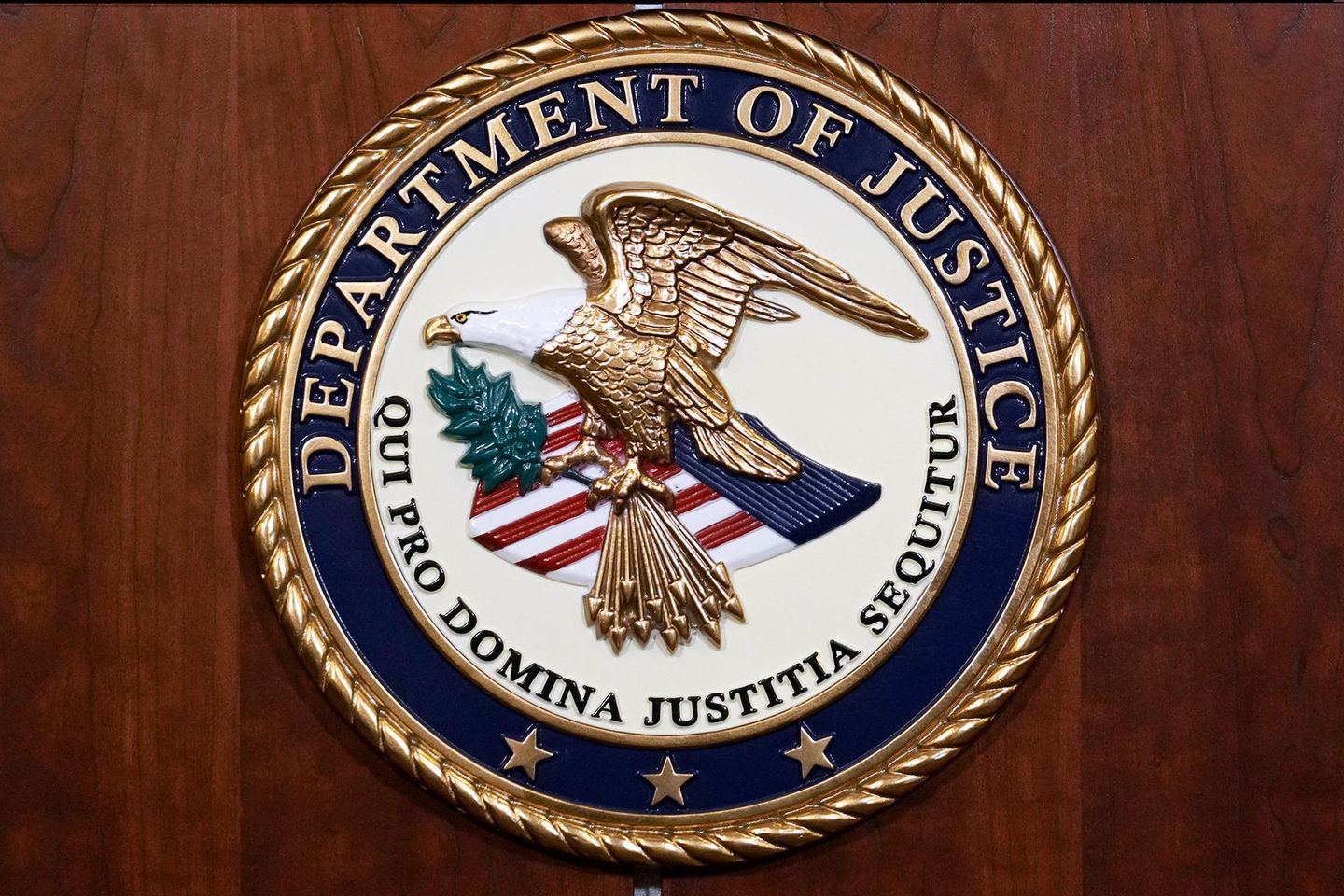
A North Carolina woman with a top-secret military security clearance was arrested and indicted on charges that she leaked classified national defense information to a journalist over a period of several years, the Justice Department said.
Courtney Williams, 40, of Wagram, North Carolina, was arrested by the FBI and indicted by a federal grand jury on charges of unlawfully transmitting classified national defense information to individuals not authorized to receive it, including a journalist, in violation of 18 U.S.C. § 793(d), according to the Justice Department.
Court documents allege that Williams worked for a Special Military Unit of the Army from 2010 to 2016, during which time she held a Top Secret / Sensitive Compartmented Information security clearance. As part of that role, she received training on the proper handling of classified materials and signed a nondisclosure agreement acknowledging that unauthorized disclosure of classified information could constitute a criminal offense.
Between 2022 and 2025, Williams allegedly communicated repeatedly with a journalist — identified in court documents only as “the Journalist” — via phone and text message. During that period, the two reportedly exchanged more than 180 messages and logged over 10 hours of phone calls. The journalist told Williams they were seeking information about the Special Military Unit for an upcoming article and book, prosecutors said.
Both were subsequently published, naming Williams as a source and attributing specific statements to her — some of which allegedly contained classified national defense information.
In addition to her disclosures to the journalist, Williams also allegedly shared unauthorized national defense information through her personal social media accounts.
Prosecutors cited messages they say show Williams understood the risks of disclosing classified information. On the day the article and book were published, Williams messaged the journalist expressing concern about “the amount of classified information being disclosed,” according to court documents. In a separate message to a third party, she allegedly wrote that she might “actually get arrested … for disclosing classified information,” and in another exchange cited a provision of the Espionage Act by name. When asked how she knew she could face legal consequences, Williams reportedly replied, “I have known my entire career,” adding that officials warn clearance holders “everyday … 100 times a day.” In a message to yet another third party, she said she was “probably going to jail for life.”
The FBI’s Charlotte Field Office is handling the investigation. The case is being prosecuted by Assistant U.S. Attorney Logan Liles for the Eastern District of North Carolina and Trial Attorneys Menno Goedman and Matt Hracho of the Justice Department’s National Security Division’s Counterintelligence and Export Control Section, with assistance from the U.S. Attorney’s Office for the Middle District of North Carolina.
Williams is presumed innocent unless proven guilty beyond a reasonable doubt.
This article was constructed with the assistance of artificial intelligence and published by a member of The Washington Times’ AI News Desk team. The contents of this report are based solely on The Washington Times’ original reporting, wire services, and/or other sources cited within the report. For more information, please read our AI policy or contact Steve Fink, Director of Artificial Intelligence, at sfink@washingtontimes.com
The Washington Times AI Ethics Newsroom Committee can be reached at aispotlight@washingtontimes.com.