Democrats spent much of last year attacking the GOP over spending cuts to health programs such as Obamacare and Medicaid.
Now they’re tying that fight to the debate over the war in Iran, saying the conflict is burning through public money that could have been spent on domestic priorities.
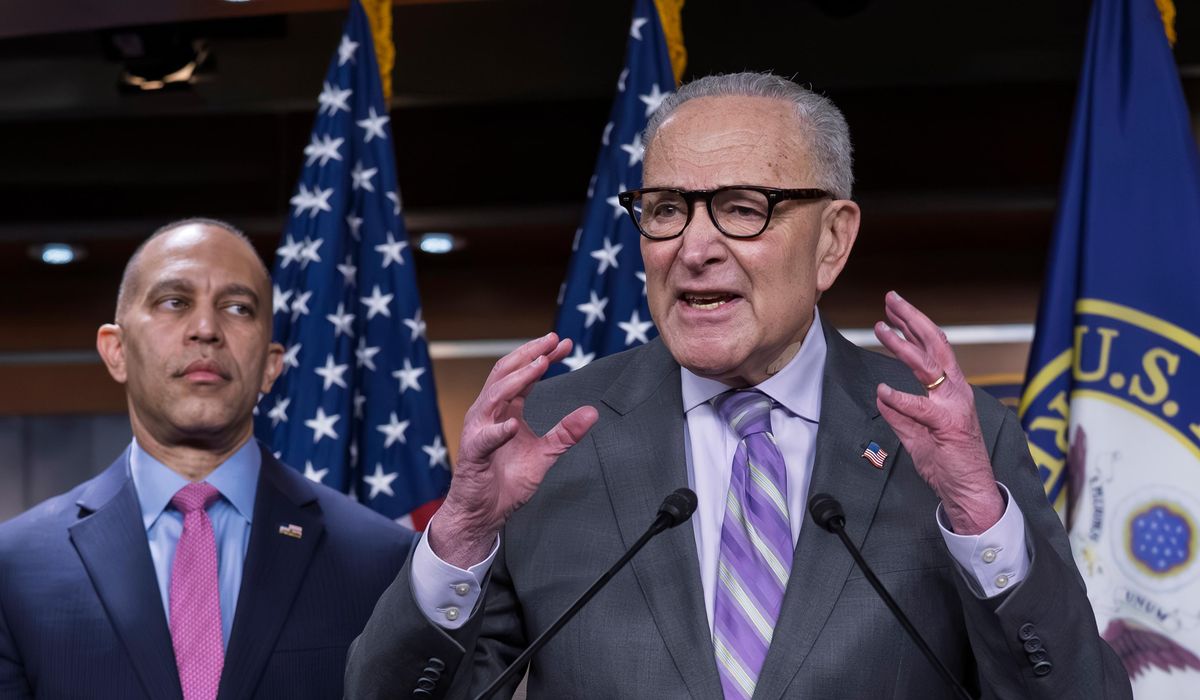
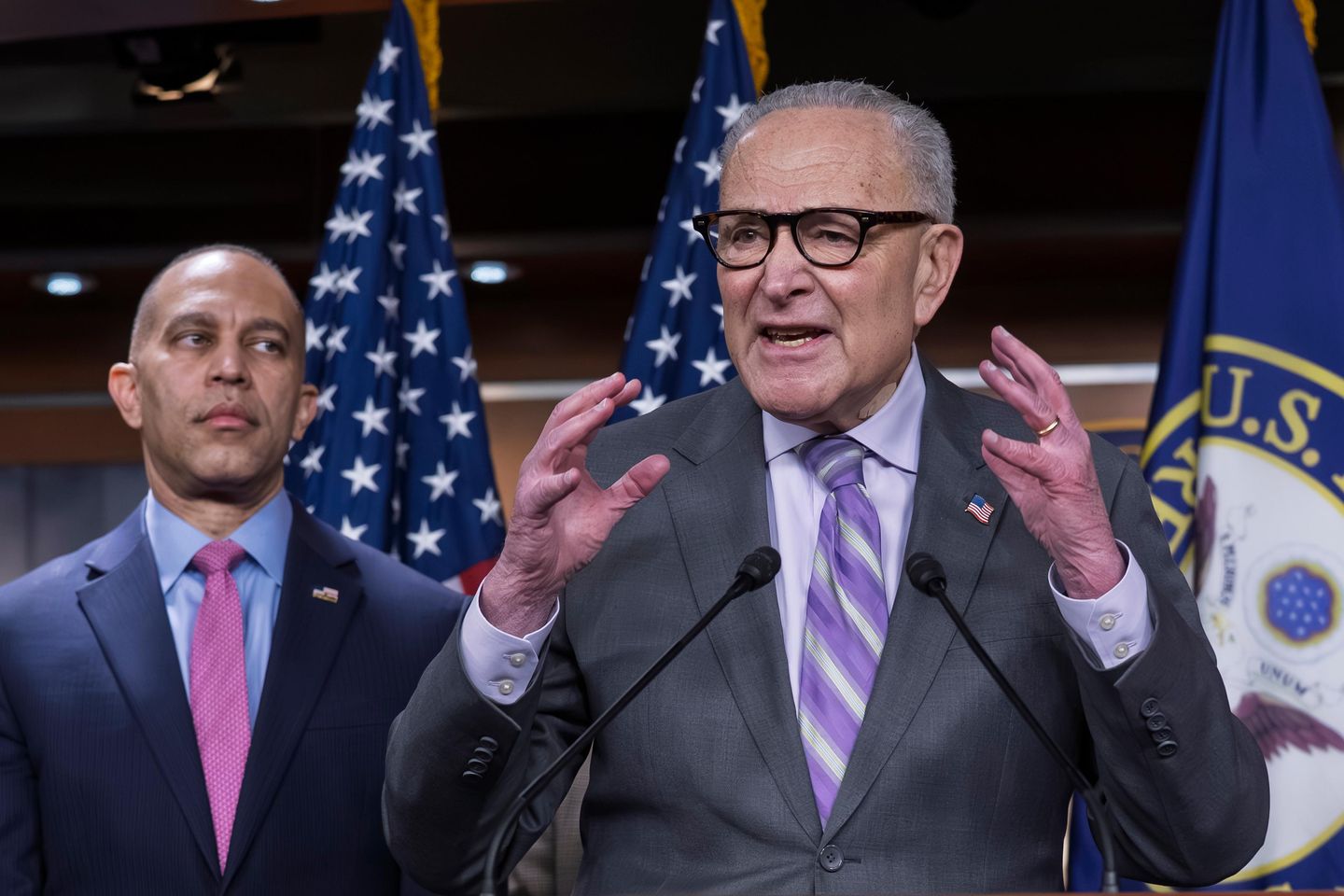
“They said the first week of the war cost $11 billion. We could fix a lot of health care with that 11 billion,” Senate Minority Leader Charles E. Schumer, New York Democrat, said Thursday. “This has gone too far, with too much chaos, too little thought, and it’s hurting America.”
Democrats are seizing on that message with an eye toward the midterm elections.
They’re betting the American people see the assault on Iran as a war of choice or potential “forever war” that contravenes Mr. Trump’s campaign pledge to put America first.
The GOP is clinging to a three-seat majority in the House and a 53-47 advantage in the Senate, giving Democrats hope they can flip at least one chamber.
Focusing on costs lets Democrats raise the so-called affordability crisis that has animated recent elections.
“This is a typical guns-versus-butter argument. The more money the U.S. spends on the Iran war, the less they have for health care, education and transportation,” said Darrell West, a senior fellow in governance studies at the Brookings Institution. “It is a clear tradeoff that allows Democrats to say Trump is neglecting domestic needs while pursuing a foreign war that is driving up energy costs.”
The economic focus also allows Democrats to pivot back to their political comfort zone — health care.
Democrats’ push to restore supersized Obamacare subsidies led to a lengthy government shutdown last fall, and they say Medicaid cuts in the GOP’s One Big Beautiful Bill will hurt the needy and rural hospitals. Public opinion polling shows generally positive views of Obamacare and disapproval of the war in Iran.
House Minority Leader Hakeem Jeffries said Republicans can fund the Iran war, “but they can’t find a dime to make it more affordable for the American people to go see a doctor when they need one.
“Can’t find a dime to make it easier for Americans who are working hard to purchase their first home,” the New York Democrat said at a Capitol press conference last week. “And they can’t find a dime to lower the grocery bills of the American people.”
Mr. Trump says he decided to join forces with Israel and launch the operation against Iran on Feb. 28 because he wanted to dismantle Iran’s missile program, stop it from getting a nuclear weapon and end Tehran’s support for terror proxies in the Middle East.
Mr. Trump has said the costs of the war, including soaring oil prices, are a “small price to pay” for those aims.
He also said the U.S. war effort is ahead of schedule and that he believes economic shocks will be short-lived.
“This will bounce right back when it’s over, and I don’t think it’s going to be long,” Mr. Trump said in a radio interview Friday with Fox News host Brian Kilmeade.
He said the war will be over “when I feel it in my bones.”
The Democratic National Committee estimated the war cost $6 billion in the first two days alone, or “enough to cover a full year of health care for nearly 660,000 Medicaid enrollees.”
Among lawmakers, Sen. Elizabeth Warren said it would cost an estimated $30 billion to extend the enhanced Obamacare subsidies for one year. Meanwhile, the administration has said it will need $50 billion in supplemental war funding.
“Instead of going to war with Iran, we could cover health care for millions of Americans,” Ms. Warren, Massachusetts Democrat, said on X. “And still have $20 billion left over.”
Rep. Brendan Boyle, Pennsylvania Democrat and ranking member on the House Budget Committee, asked the Congressional Budget Office to provide an estimate of the total costs and economic disruptions from the war.
“Congress,” he wrote in a letter, “should ensure we are spending taxpayer dollars to improve the quality of life for the American people, not paying for another endless war in the Middle East.”
Political analysts said they expect Democrats to focus on domestic priorities as the war continues, though their lines of attack may change. For instance, if oil prices continue to rise, it will lead to higher gas prices, and Democrats might focus on that instead of health priorities.
The national average price of a gallon of gas has soared to over $3.60, up from under $3 a month ago, according to the AAA motor club.
As it stands, Democrats are focused on “general dissatisfaction with the war as a diversion of resources from domestic needs, and more localized pain caused to groups such as farmers,” said Ross Baker, a politics professor at Rutgers University. “The real pitchforks are still in the barn.”