Rep. Dan Crenshaw’s defeat in Tuesday’s Republican primary in Texas is more than the fall of a prominent conservative lawmaker — it reflects deeper structural changes reshaping the Republican Party in the nation’s largest red state.
Texas state Rep. Steve Toth unseated the four-term congressman in the GOP primary for Texas’ 2nd Congressional District, marking the first time a sitting member of Congress has lost renomination in the 2026 election cycle. Mr. Toth ran an aggressive campaign from the right, arguing that Mr. Crenshaw was insufficiently aligned with the party’s conservative grassroots and the political movement surrounding former President Trump.
The upset highlights several forces transforming Republican politics in Texas, including growing ideological pressure from the right, the increasing importance of Mr. Trump’s influence in primaries and political disruptions caused by mid-decade redistricting.
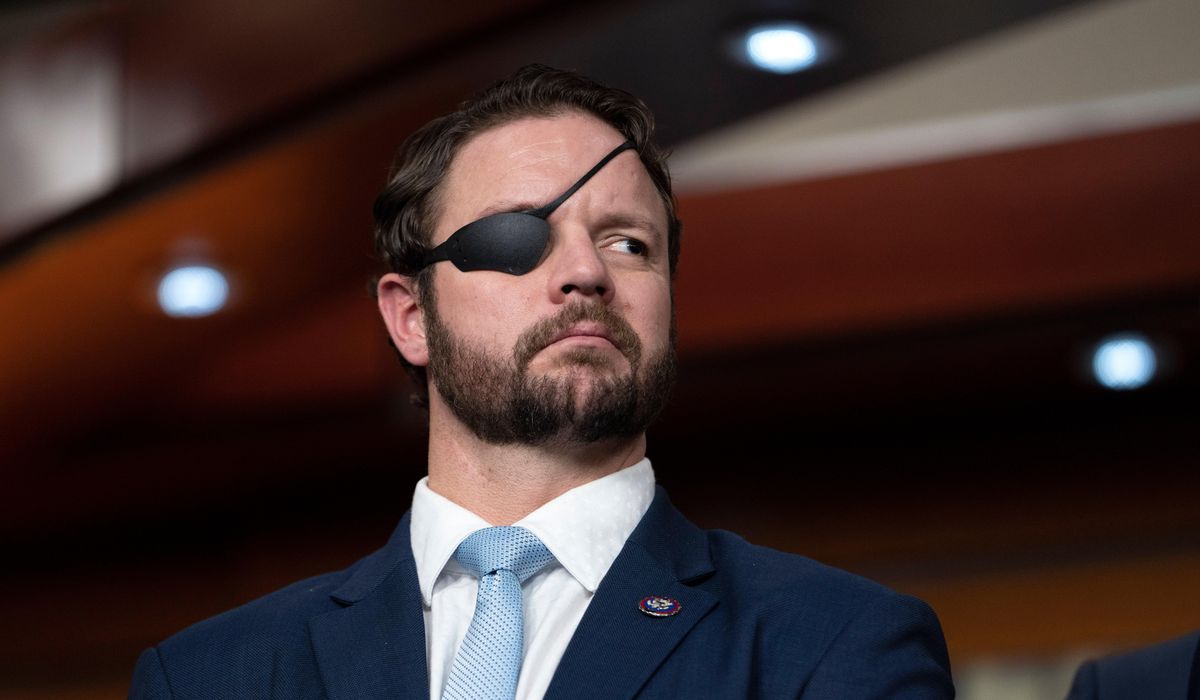
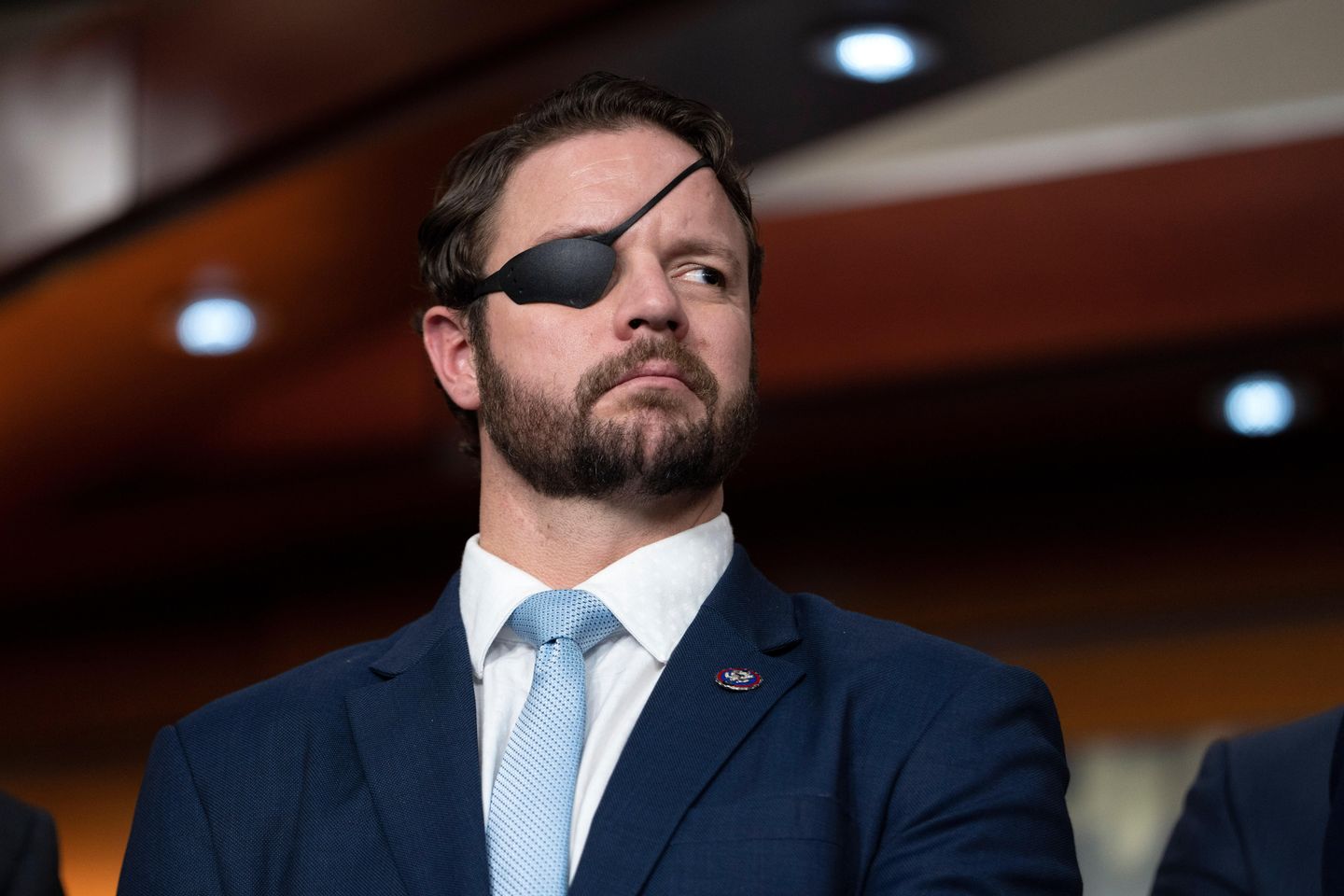
For years, Mr. Crenshaw occupied a complicated place within the GOP. A former Navy SEAL who lost his right eye during combat in Afghanistan, he rose quickly in Republican politics after first winning his seat in 2018. He built a national profile as a conservative willing to defend Trump-era policies while occasionally breaking with the party’s most combative factions.
But that positioning increasingly made him a target for conservative activists and online commentators who accused him of straying from the party’s populist wing.
Mr. Toth capitalized on those frustrations, portraying himself as the more reliable champion of the “America First” agenda. The state legislator, a pastor and longtime conservative activist, emphasized his record as one of the Texas Legislature’s most conservative members and highlighted his past endorsements from Mr. Trump.
Mr. Crenshaw’s defeat also underscores how central Mr. Trump’s political orbit has become in Republican primaries. Among Texas Republicans running for reelection to the House this year, Mr. Crenshaw was the only incumbent without Mr. Trump’s endorsement — a distinction that became a focal point of the race.
Though Mr. Crenshaw repeatedly emphasized his support for the former president’s policies during the campaign, the absence of that endorsement left him vulnerable to accusations from rivals that he was not sufficiently aligned with the movement animating much of the GOP’s grassroots base.
The result demonstrates how ideological litmus tests have intensified within Republican primaries, particularly in safe Republican districts where the general election poses little threat.
At the same time, political turbulence in Texas has been amplified by mid-cycle redistricting that reshaped several congressional districts and helped trigger a wave of contested primaries. The redrawing of district lines has forced incumbents to compete in unfamiliar political terrain and, in some cases, confront energized challengers seeking to capitalize on shifting political dynamics.
Those changes have contributed to an unusually volatile primary season. Several members of the Texas congressional delegation now face runoff elections after failing to secure a majority in the first round of voting, while challengers from across the ideological spectrum have targeted incumbents in both parties.
Taken together, the developments suggest that incumbency alone may no longer provide the level of political protection it once did, even in districts long considered safely Republican.
For Texas Republicans, the outcome in the Crenshaw race may signal a broader recalibration underway within the party — one in which grassroots activists, ideological purity tests and Trump-aligned politics increasingly shape the path to nomination.
With several months remaining before the general election, the aftershocks from Tuesday’s results are likely to continue reverberating across Texas politics, offering an early glimpse of the internal battles that could define the GOP’s trajectory heading into the midterm elections.
This article is written with the assistance of generative artificial intelligence based solely on Washington Times original reporting and wire services. For more information, please read our AI policy or contact Steve Fink, Director of Artificial Intelligence, at sfink@washingtontimes.com
The Washington Times AI Ethics Newsroom Committee can be reached at aispotlight@washingtontimes.com.