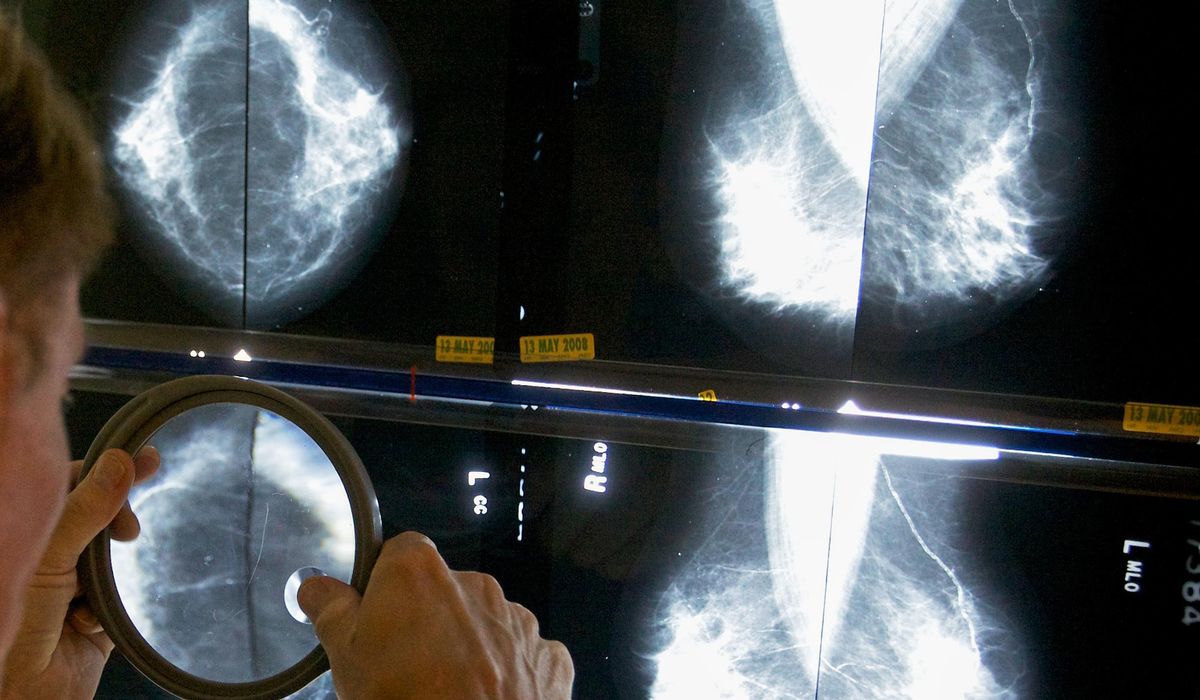
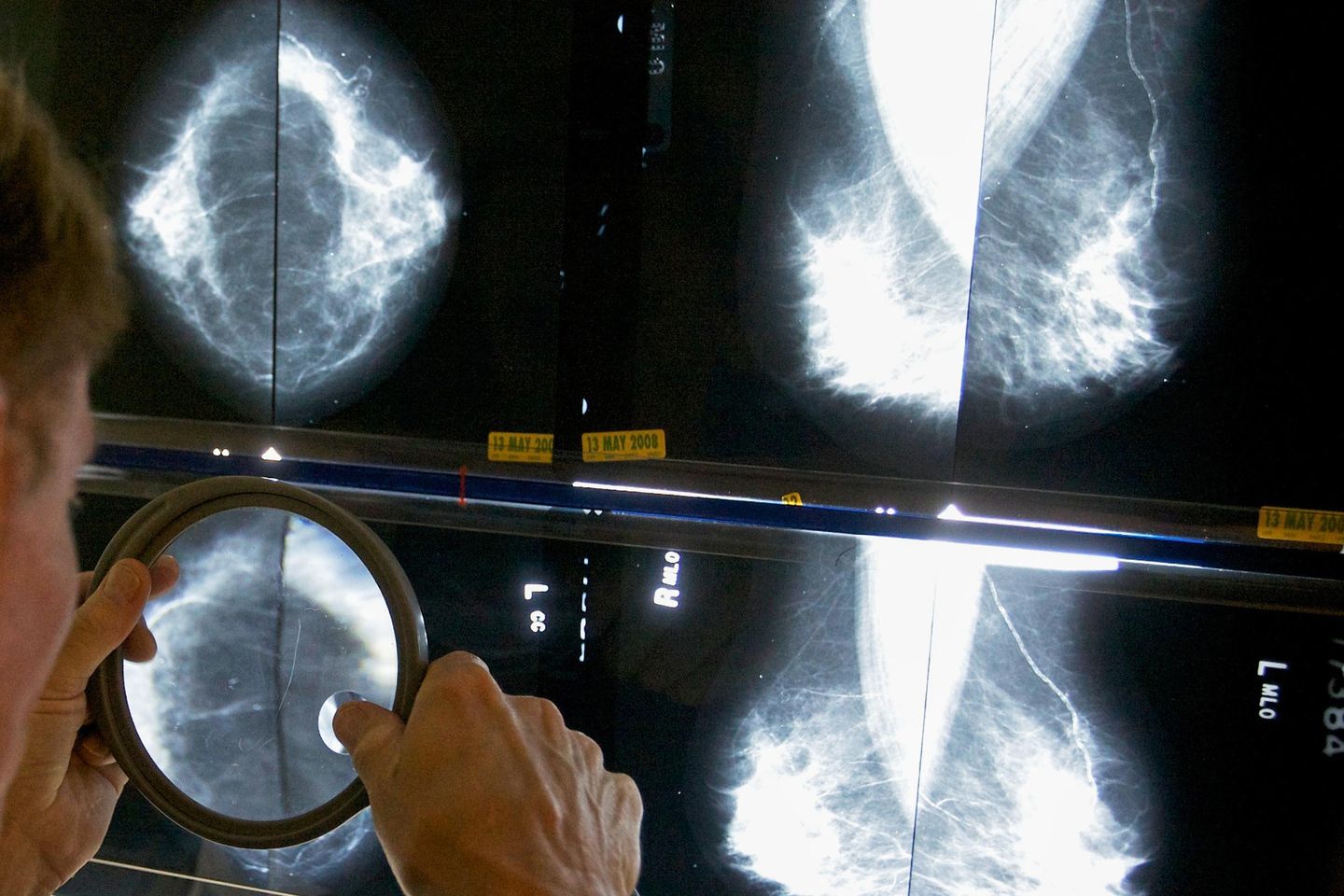
Nearly three-quarters of American adults are behind on at least one routine cancer screening, and a growing share say the reason is money, according to new survey data released Tuesday by the Prevent Cancer Foundation.
The foundation’s 2026 Early Detection Survey found that 73% of U.S. adults reported being behind on one or more routine cancer screenings, a 4-percentage-point increase from 2025. Cost ranked among the top three barriers to screening, cited by 35% of respondents who said they had missed at least one recommended test.
Perhaps most striking, concern about unexpected costs now rivals fear of a cancer diagnosis itself. The survey found that 34% of adults who worry about routine screening say cost is their primary concern — up sharply from 25% in 2025 — matching the share who say they are afraid of finding out they have cancer.
Of those who named cost as the reason for skipping screenings, half said they feared the out-of-pocket expense of the screening or appointment itself. Another 14% cited the cost of potential follow-up care, and 12% pointed to lost income or missed work shifts. The findings suggest widespread confusion about insurance coverage is driving the avoidance, the foundation said, noting that many routine cancer screenings are fully covered by private insurance, Medicaid and Medicare, leaving patients with no out-of-pocket costs.
“Cost concerns continue to be a major barrier — not because screenings are always expensive, but because people don’t have clear information about what’s covered,” said Jody Hoyos, CEO of the Prevent Cancer Foundation. “When fear and confusion stop people from getting screened, we lose the chance to prevent cancer or catch it early, when it’s easier to treat.”
Mistrust of the health care system is also contributing to the backlog. Nearly one in five adults behind on screening — 19% — cited skepticism toward the health care system as their reason for not completing recommended tests. Among those respondents, roughly half said they believe the system prioritizes profit over patient care, while others pointed to past experiences with unclear or conflicting information.
The foundation also noted a persistent misconception fueling the problem: 42% of respondents said they skipped screening because they did not know they needed it, and 36% said they lacked a family history of cancer — incorrectly assuming that exempts them from screening guidelines.
The survey, conducted by Atomik Research, polled 7,510 U.S. adults between January 10 and January 30, 2026, with a margin of error of plus or minus 1 percentage point.
This article was constructed with the assistance of artificial intelligence and published by a member of The Washington Times’ AI News Desk team. The contents of this report are based solely on The Washington Times’ original reporting, wire services, and/or other sources cited within the report. For more information, please read our AI policy or contact Steve Fink, Director of Artificial Intelligence, at sfink@washingtontimes.com
The Washington Times AI Ethics Newsroom Committee can be reached at aispotlight@washingtontimes.com.