BEIJING — Top diplomats from Thailand and Cambodia kicked off two days of talks in China on Sunday as Beijing seeks to strengthen its role in mediating the two countries’ border dispute, a day after they signed a new ceasefire.
The ceasefire agreement calls for a halt to weeks of fighting along their contested border that has killed more than 100 people and displaced over half a million in both countries.
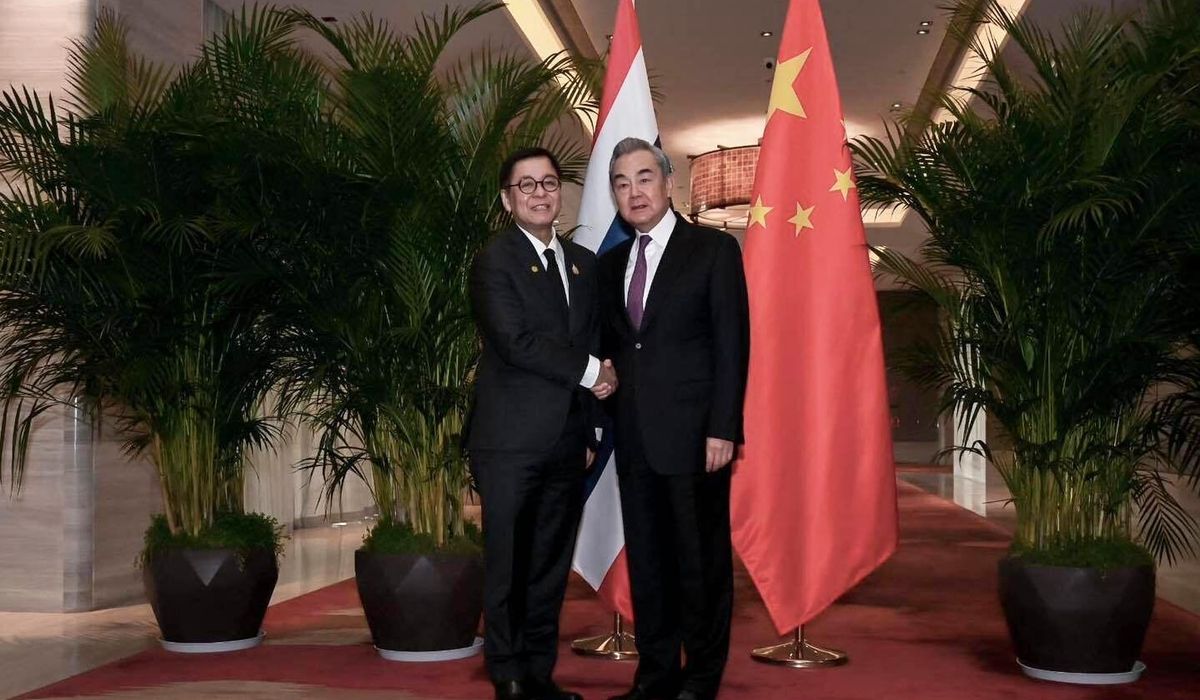
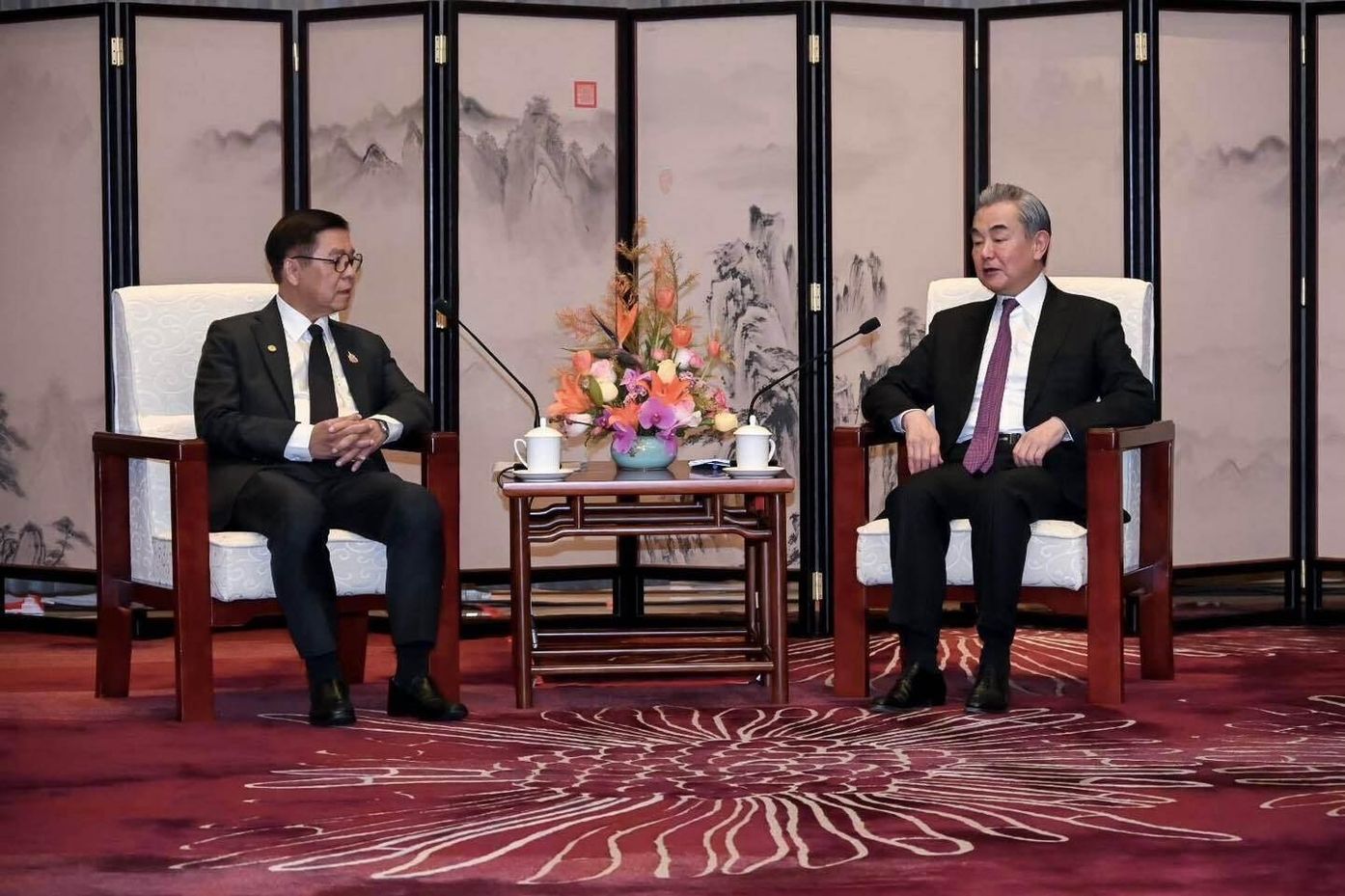
Thai Foreign Minister Sihasak Phuangketkeow and Cambodian Foreign Minister Prak Sokhonn were set to meet in China’s southwestern Yunnan province for talks mediated by their Chinese counterpart, Wang Yi.
China has sought to position itself as a mediator in the crisis, along with the United States and Malaysia.
U.S. President Donald Trump, who threatened to withhold trade privileges unless Thailand and Cambodia agreed to a July ceasefire, suggested Sunday that the fighting between Thailand and Cambodia “will stop momentarily” and boasted that the U.S. “has become the REAL United Nations.”
In a post on his social media site from his Mar-a-Lago estate in Florida, where he’s been spending the winter holidays, Trump wrote that both sides “will go back to living in PEACE” and referenced his past comments about helping to broker a ceasefire that largely hasn’t held.
“I want to congratulate both great leaders on their brilliance in coming to this rapid and very fair conclusion. It was FAST & DECISIVE, as all of these situations should be!” Trump wrote.
The talks in China aim to ensure a sustained ceasefire and promote lasting peace between the countries, according to a statement by Sihasak’s office.
Wang was scheduled to join both bilateral meetings with each of the diplomats and a trilateral talk on Monday.
China has welcomed the ceasefire announcement, which freezes the front lines and allows for displaced civilians to return to their homes near the border.
“China stands ready to continue to provide (the) platform and create conditions for Cambodia and Thailand to have fuller and more detailed communication,” a Chinese Foreign Ministry statement read.
The ceasefire agreement comes with a 72-hour observation period, at the end of which Thailand agreed to repatriate 18 Cambodian soldiers it has held as prisoners since earlier fighting in July. Their release has been a major demand of the Cambodian side.
Prak Sokhonn, in a statement after his meeting with Wang, expressed deep appreciation for China’s “vital role” in supporting the ceasefire.
China also announced 20 million yuan ($2.8 million) of emergency humanitarian aid for Cambodia to assist the displaced.
The first batch of Chinese aid, including food, tents and blankets, arrived in Cambodia on Sunday, Wang Wenbin, Chinese ambassador to Cambodia, wrote on Facebook.
Sihasak said Sunday he hoped the meetings would convey to China that it should both support a sustainable ceasefire and send a signal to Cambodia against reviving the conflict or attempting to create further ones.
“Thailand does not see China merely as a mediator in our conflict with Cambodia but wants China to play a constructive role in ensuring a sustainable ceasefire by sending such signals to Cambodia as well,” he said.
___
Associated Press writer Will Weissert in West Palm Beach, Florida, contributed to this report.