California’s landmark $20-per-hour minimum wage for fast-food workers has produced a range of unintended consequences, including higher menu prices, reduced employee hours and accelerating automation, according to a new report from researchers at the University of California, Santa Cruz.
The study, led by UC Santa Cruz economics lecturer Stephen Owen and a team of undergraduate researchers, examined more than 100 franchise and independent restaurants in Santa Cruz and the Central Valley, conducting interviews with business owners and managers and reviewing financial and hiring records.
“The results indicate a plethora of negative outcomes such as higher menu prices for consumers, reductions in employee working hours, widespread elimination of overtime and loss of benefits for employees,” Mr. Owen said. “Further decreases in employee opportunities are being driven by automation and the adoption of labor replacement technologies is accelerating.”
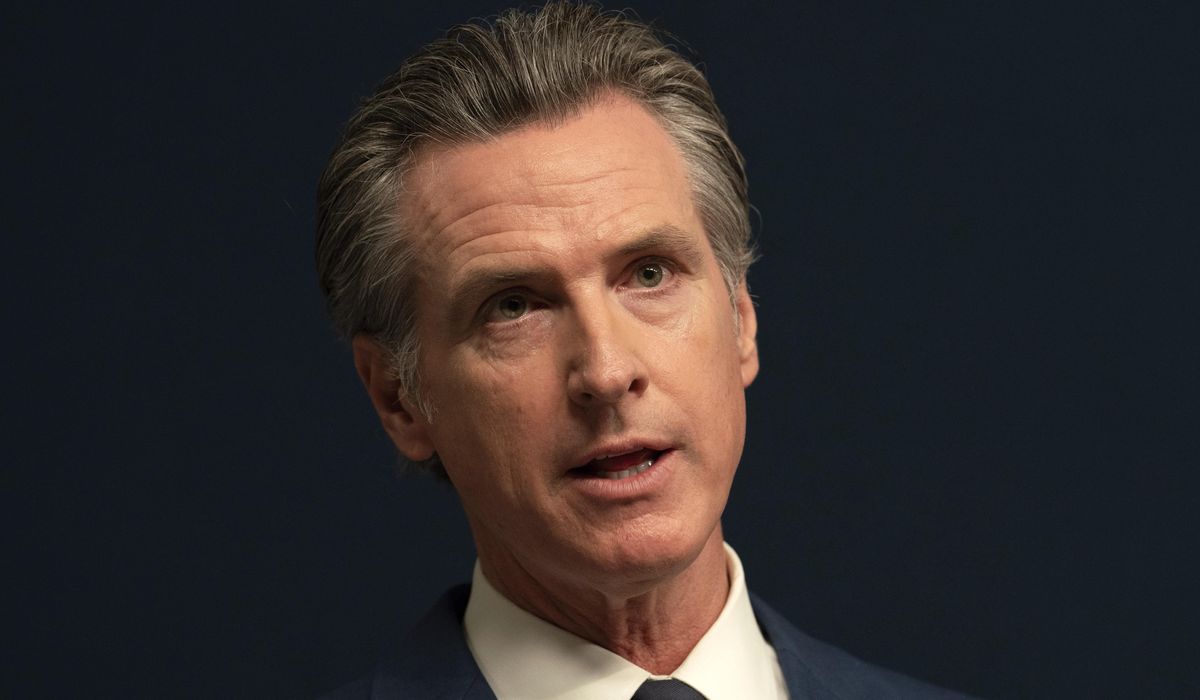
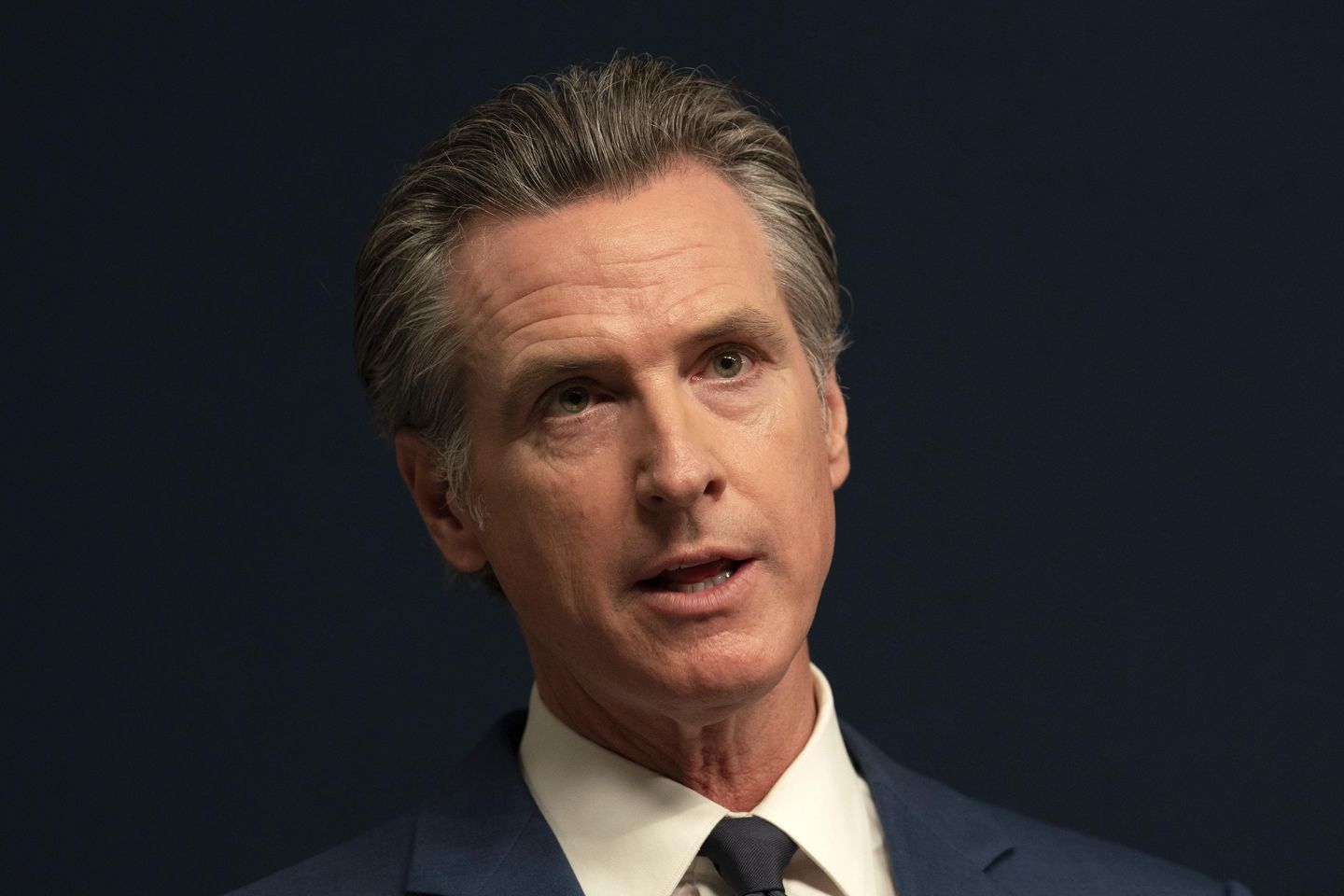
The $20 minimum wage for fast-food workers at chains with 60 or more locations took effect in April 2024, jumping from the state’s then-$16 general minimum wage. Gov. Gavin Newsom signed the measure into law in September 2023, arguing it would help workers keep pace with California’s rising cost of living.
But the UC Santa Cruz findings suggest the pay bump came at a cost. Menu prices at franchised restaurants rose between 8% and 12% from September 2023, researchers found. Workers are earning more per hour but working fewer hours per week and facing new obstacles to qualifying for benefits, while some franchises have eliminated overtime altogether.
The automation trend may be the most enduring consequence. Burger King, McDonald’s and Taco Bell have all invested in automated kiosks to take orders and payments, and some locations are piloting AI voice ordering systems and automated dishwashing. One Burger King franchise owner in Northern California told researchers the company plans to close the lowest-performing 10% of its locations over the next two years.
“Businesses can absorb increased costs to a certain extent, but the question is for how long,” Mr. Owen said. “I would argue that we will likely see closures ahead.”
The UC Santa Cruz report also found ripple effects beyond franchised chains. Independent restaurant owners in Santa Cruz said they faced mounting pressure to raise their own wages and increase menu prices to compete for employees — even though the $20 mandate did not apply to them directly.
The findings are contested. A separate study released this week by UC Berkeley researchers Michael Reich and Denis Sosinskiy concluded that the wage law “did not reduce employment.” Their research, drawing on Glassdoor job postings, Square payroll data and prices from more than 2,000 restaurants, found that average weekly wages for fast-food workers rose 11% and that prices increased by just 1.5%, with employers absorbing roughly half of the higher wage costs.
The UC Santa Cruz paper criticized the Berkeley study for failing to account for automation, arguing that restaurants’ technological responses to higher labor costs were a significant and overlooked consequence of the law.
A spokesperson for Mr. Newsom’s office disputed the UC Santa Cruz findings, saying the study “is based on a handful of interviews on one street in Santa Cruz,” that it is not peer-reviewed and that its claims are “flat wrong.” The office added that “higher wages are strengthening our economy and lifting workers out of poverty.”
California has shown no signs of pulling back on minimum wage increases. Los Angeles Mayor Karen Bass last year signed a law mandating wages of up to $30 per hour for airport and hotel workers, with $2.50 annual increases required until reaching that threshold in 2028. The Hotel Association of Los Angeles recently commissioned a study finding that hotels have eliminated or expect to eliminate roughly 650 positions, about 6% of the workforce, since the Hotel Worker Minimum Wage Ordinance took effect last September.
Activists in Oakland are pushing for a $30 citywide minimum wage as well. On the East Coast, the New York City Council is weighing a proposal from Council Member Sandy Nurse, a Brooklyn Democrat, that would phase in a $30 minimum wage by 2030 for businesses with 500 or more employees and $29 by 2032 for smaller ones. Mayor Zohran Mamdani, who campaigned on a “$30 by ’30’” pledge, has signaled he would sign the measure.
Melissa Fleischut, president of the New York State Restaurant Association, warned the proposal could push the industry past a breaking point.
“We feel like we’re at a tipping point with consumers,” Ms. Fleischut said.
This article was constructed with the assistance of artificial intelligence and published by a member of The Washington Times’ AI News Desk team. The contents of this report are based solely on The Washington Times’ original reporting, wire services, and/or other sources cited within the report. For more information, please read our AI policy or contact Steve Fink, Director of Artificial Intelligence, at sfink@washingtontimes.com
The Washington Times AI Ethics Newsroom Committee can be reached at aispotlight@washingtontimes.com.