Cash-starved states run by Democrats are moving to squeeze more revenue out of their wealthiest residents with a new “millionaires tax” that they say makes the tax code more equitable.
It’s a strategy with growing appeal for House and Senate Democrats, who are pitching populist federal wealth taxes for the richest Americans as they eye winning the 2026 election and taking over Congress.
Washington became the latest state to impose a tax on its wealthiest residents under legislation signed last month by Gov. Bob Ferguson, a Democrat. The new law imposes a 9.9% tax on income over $1 million. The revenue is supposed to fund free school lunches, child care, and other initiatives such as expanded tax credits for low- to middle-income individuals and families.
Most of all, Mr. Ferguson said, the new tax “makes our system more fair.”
Maryland, Massachusetts and Minnesota have hiked taxes on their wealthiest residents while California, Rhode Island and Connecticut are weighing their own plans to tax the rich. New York Mayor Zohran Mamdani ran — and won — on a promise to hike the city’s income tax on its wealthiest residents from 3.9% to 5.9%, which would be paid on top of the state’s 10.9% tax on the income of top earners.
On Capitol Hill, the concept of a national wealth tax is rapidly picking up support among House and Senate Democrats, who say it’s high time to make the richest Americans fork over “their fair share” to help fund universal day care, free community college, expanding Medicare and more.
House and Senate Democrats have introduced several wealth tax bills. In March, more than 45 Democrats unveiled legislation to tax “fortunes above $50 million.” The bill would tax “net worth” and raise $6.2 trillion in revenue over the next decade to pay for expanding social welfare programs.
“While multi-millionaires and billionaires are getting richer and richer, families are getting squeezed by a rigged economy. My bill is about basic fairness and making the ultra-wealthy pay their fair share. It’s time for the government to stop listening to the richest of the rich and start working for working people,” said Sen. Elizabeth Warren, Massachusetts Democrat.
Advocates say taxing wealthier Americans not only raises much-needed revenue for government programs, but also creates a fairer tax system that shifts the burden further away from low- and middle-income earners.
Washington’s tax system, for example, was rated by the left-leaning Institute on Taxation and Economic Policy as having one of the most regressive tax systems in the country based on “share of family income.”
Until the new wealth tax was signed, the state had no personal income tax and relied heavily on property taxes as well as state and local sales taxes as high as 10.4%.
“It is inspiring to see Washington listening to the demands of the people to create a less regressive state tax system,” ITEP Executive Director Amy Hanauer said.
Democrats have seized on a popular fiscal policy that has only grown more appealing to low- and middle- income Americans facing stagnant paychecks and higher costs for food, housing and health care.
A Pew Research Center poll taken last year found 6 in 10 Americans say taxes should be hiked on household incomes earning more than $400,000. The results differed significantly by party. Nearly 75% of Democrats and Democrat-leaning independents said taxes should be raised on incomes above $400,000, compared to 43% of Republicans and GOP-leaning independents.
A second poll released April 6 found roughly 60% of adults reported that “the feeling that some wealthy people and corporations don’t pay their fair share bothers them a lot.”
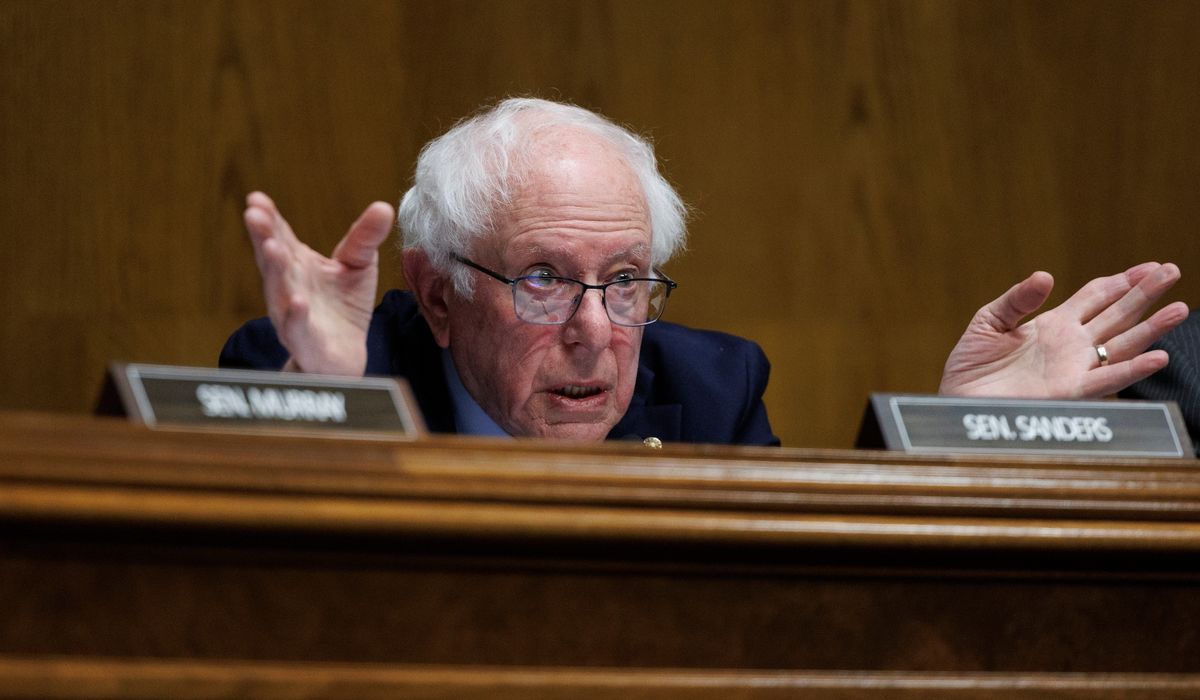
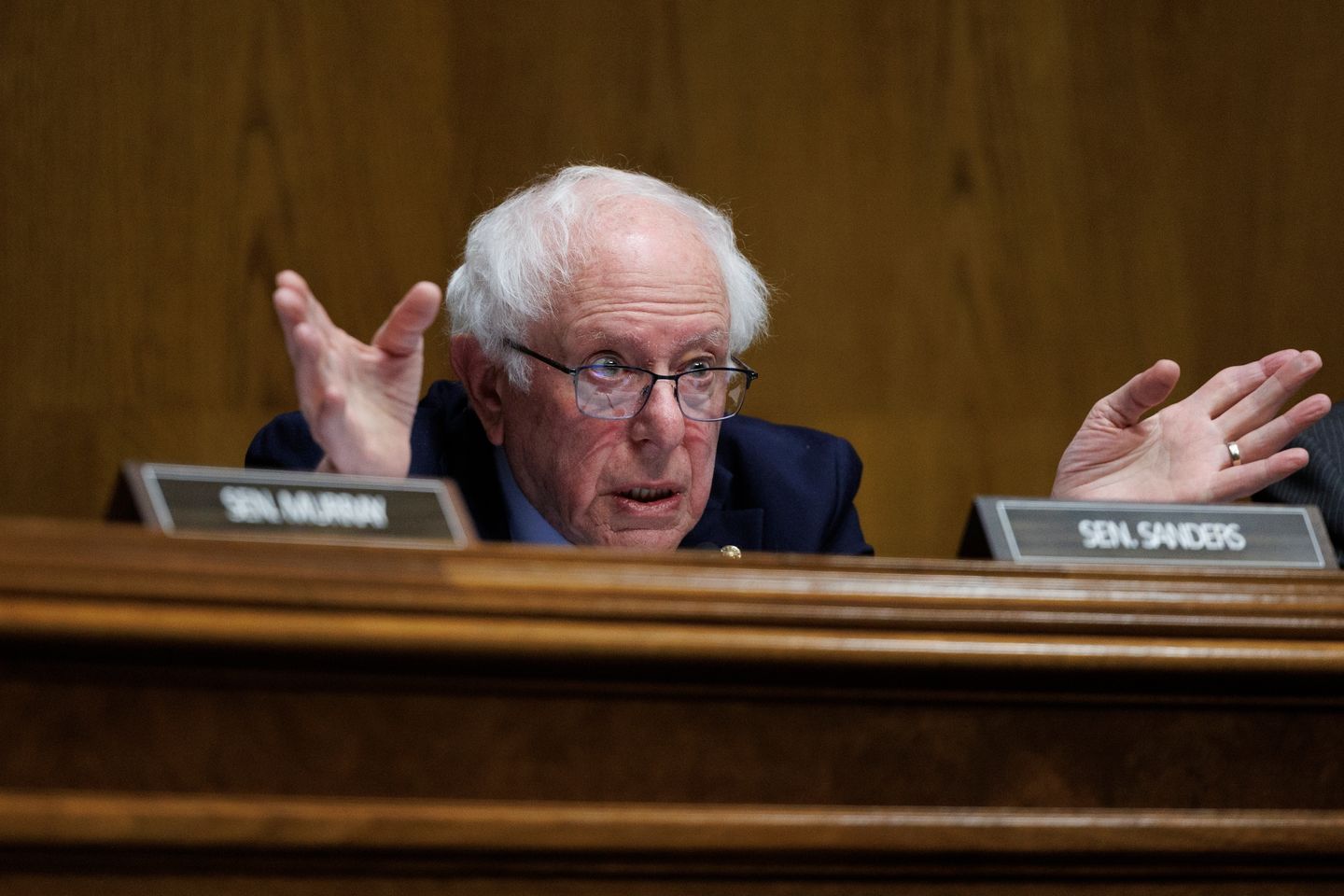
The Democratic Party’s leading populist, Sen. Bernard Sanders, has pounced on the public’s discontent with billionaires, who he once said, “should not exist.” Mr. Sanders introduced his own wealth tax in March.
The “Make Billionaires Pay Their Fair Share Act, would turn the federal government into a modern-day Robin Hood by zinging the nation’s 938 billionaires with a 5% annual wealth tax.
The money would be spent in part on direct payments of $3,000 “to every man, woman and child” in households making $150,000 or less. It would amount to a $12,000 payment for a family of four, the Vermont socialist said.
“In a democratic society, we cannot tolerate 60% of our people living paycheck to paycheck — struggling to pay for housing, food and health care — while 938 billionaires have become $1.5 trillion richer,” Mr. Sanders said.
Even Republicans briefly weighed a millionaires tax to help offset the cost of the One Big Beautiful Bill Act, which cut taxes across the board for individuals and businesses.
But the idea was quickly rejected by top Republican leaders and President Trump, who said a tax hike on the rich would be “very disruptive, because a lot of millionaires would leave the country.”
An exodus of wealthy residents is among the reasons a dozen countries that once had wealth taxes have largely abandoned them.
According to the Tax Policy Center, studies of other countries that imposed a millionaire’s tax “showed a decline in the amount of wealth reported to government authorities,” due to avoidance and evasion.
States that have imposed wealth taxes are seeing wealthy residents flee to escape paying more.
Massachusetts suffered a net loss of $4.2 billion in income in the year following the 2023 implementation of its surtax on millionaires, known as the “Fair Share Amendment,” which slaps an additional 4% levy on income above $1 million.
The tax was approved by voters in a 2022 referendum. The revenue is used to fund schools and public transportation.
Analysts at the Center for Budget and Policy Priorities warned against making sweeping conclusions about the Bay State’s wealth tax flight because IRS data does not track the exodus of millionaires, specifically.
The new tax has raised billions of dollars in new revenue, the CBPP said, and it is funding “transformative investments like universal free school meals, fare-free buses, and affordable child care.”
California lawmakers are debating a new, one-time 5% tax on the net worth of the state’s 200 or so billionaires, which has triggered a rush for the exits by the richest and most prominent residents.
Some of them, including Meta CEO Mark Zuckerberg and Google co-founder Larry Page, are scoping out or have purchased properties in Florida, which has no income tax.
If voters approve the wealth tax in a November referendum, it will snag billionaires who resided in California any time after Jan. 1, 2026, which explains the stampede out of the state.
The Service Employees International Union and the United Healthcare Workers are among the groups collecting signatures to put the billionaires’ tax on the ballot. The groups said the revenue would pay for propping up California’s financially drained health care system, fund public schools and pump money into the food stamp program.
The ballot initiative is currently gathering signatures, but even the state’s left-leaning Gov. Gavin Newsom, a prospective 2028 presidential candidate, is wary of it.
“You would have a windfall one time,” he told Bloomberg, “and then over the years you would see a significant reduction in taxes because taxpayers will move.”