A watchtower means nothing once the guard unlocks the gate. Walls are still standing, lights still aglow—but the danger calmly walks out, carrying the keys.
It’s a danger that doesn’t arrive by force, but by choice.
A choice Aldrich Ames made.
A Career Built on Access
Working as a counterintelligence officer for the CIA, Aldrich Ames’ role placed him near some of the nation’s most sensitive operations, handling information tied to American agents working inside the Soviet Union. Agents who trusted the system.
One who trusted Ames.
A trust Ames sold. For cash.
Ames began passing classified information to the KGB during the mid-1980s, revealing identities of U.S. assets operating in Moscow. Soviet intelligence moved fast, followed by arrests and executions. Not only were careers ended, but families were shattered.
Former CIA Director James Woolsey described the damage caused by Ames as catastrophic, no exaggeration necessary.
Lives Exchanged for Money
Ames didn’t act under pressure, didn’t face blackmail that forced cooperation, nor was his family threatened.
It was cash.
Money drove his decision: wanting a larger home, expensive cars, and unearned status.
Because of Ames’s betrayal, at least ten American sources died. Some historians believe the number was much higher, where each death followed a pattern: arrest, interrogation, and silence.
Those agents believed in an America that asked them to risk everything, yet Ames cashed them in like chips at a table.
The Long Road to Capture
Investigators knew there was a leak, but for years, they kept searching. The agency looked outward while the problem was set inside.
Ames was prepared; he passed polygraph tests, offering calm explanations, and watched as colleagues chased shadows.
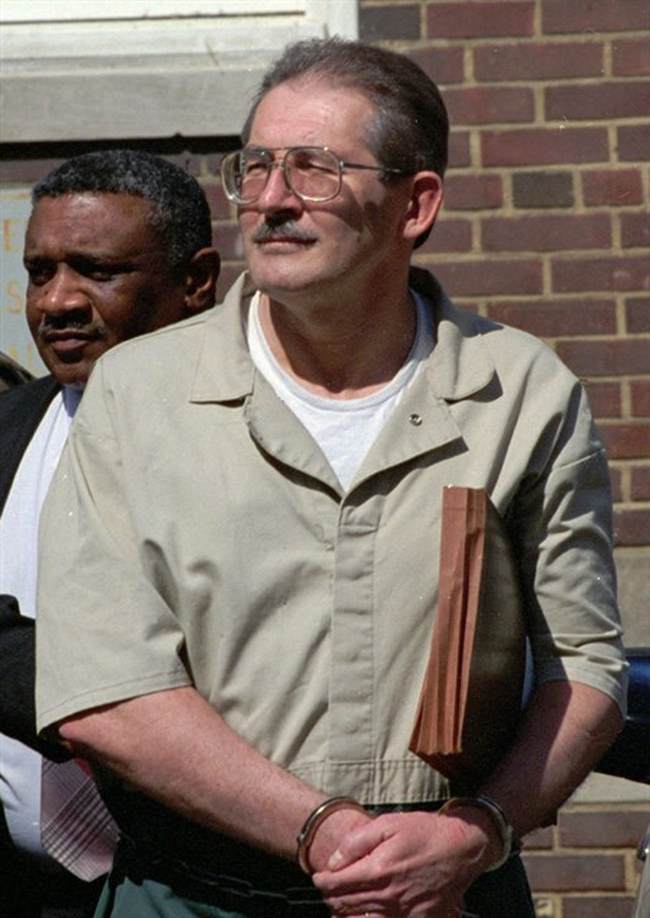
Finally, in 1994, FBI investigators closed in. Financial records showed sudden wealth, where cash payments didn’t match a government salary. Ames and his wife Rosario were arrested outside their home.
Rosario later received a prison sentence for conspiracy, while Aldrich received life without parole.
Prison Didn’t Balance the Ledger
After spending nearly three decades in federal custody, Ames died at age 84. Prison walls didn’t restore lives lost, and time didn’t dull his damage, while no apology repaired any harm.
Former CIA Director and Secretary of Defense Robert Gates once stated that Ames caused more harm to U.S. intelligence than any other mole in American history, an assessment that still stands.
Unfortunately, Ames never faced the families of the dead, you know, the ones directly related to his treasonous actions. He never walked into a quiet room to explain his choices, living long while those who died at his hands never reached middle age.
Treason Has No Soft Edges
While some crimes invite context, treason doesn’t. Ames knew the consequences; his training covered that ground, and briefings spelled it out.
Despite that, he crossed the line anyway.
His freedom provided his education and employment, while providing opportunity. How did Ames repay such opportunities?
With betrayal.
While Cold War history includes many villains, Ames belongs near the top, and I don’t mean alphabetically, because ideology and greed drove him.
Final Thoughts
A watchtower collapses when the guard decides loyalty costs too much. Aldrich Ames opened that gate, and counted his money while others paid in blood.
Prison kept him contained, history keeps him judged, and there isn’t a rewrite that can sofen that record.
Treason earned the final word.
But, in my mind, in any other country Ames would’ve faced a much harsher penalty.
It’s a family channel, but there are times when I wish the convicted, treasonous {very bad words written here} man would’ve received the same penalty as those who died at his hands.
PJ Media exists to tell the truth plainly, even when that truth carries anger and weight. Support work that refuses to sanitize betrayal or blur moral lines. Join PJ Media VIP and keep stories grounded in accountability and memory.