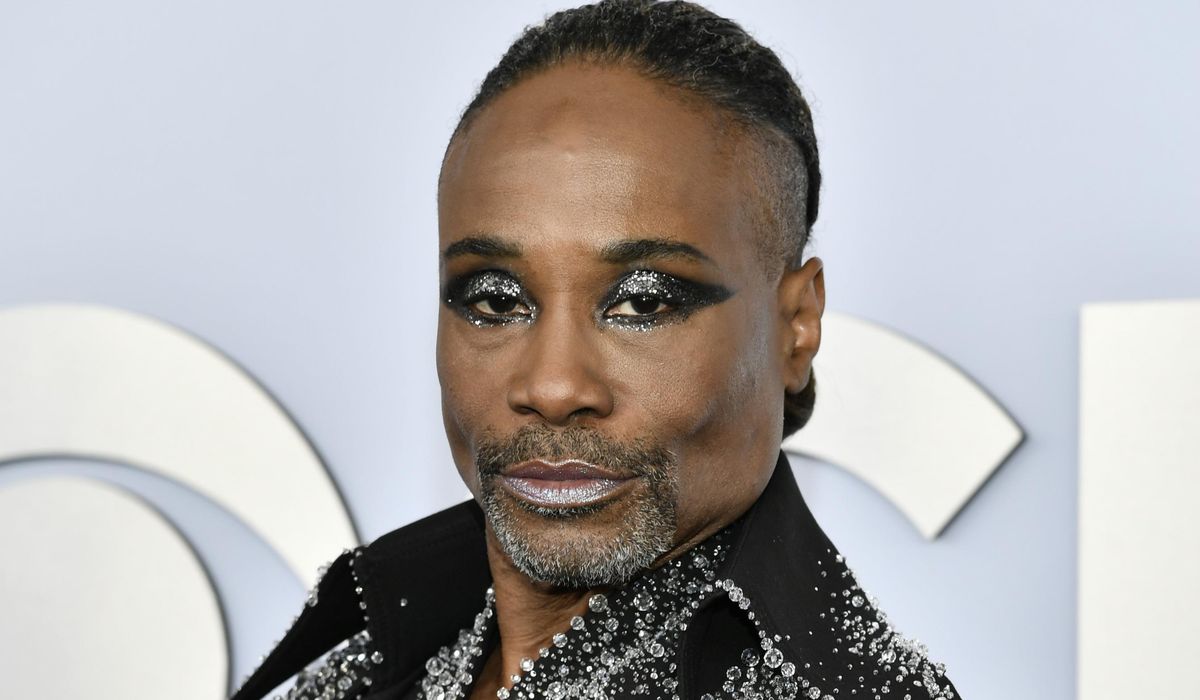
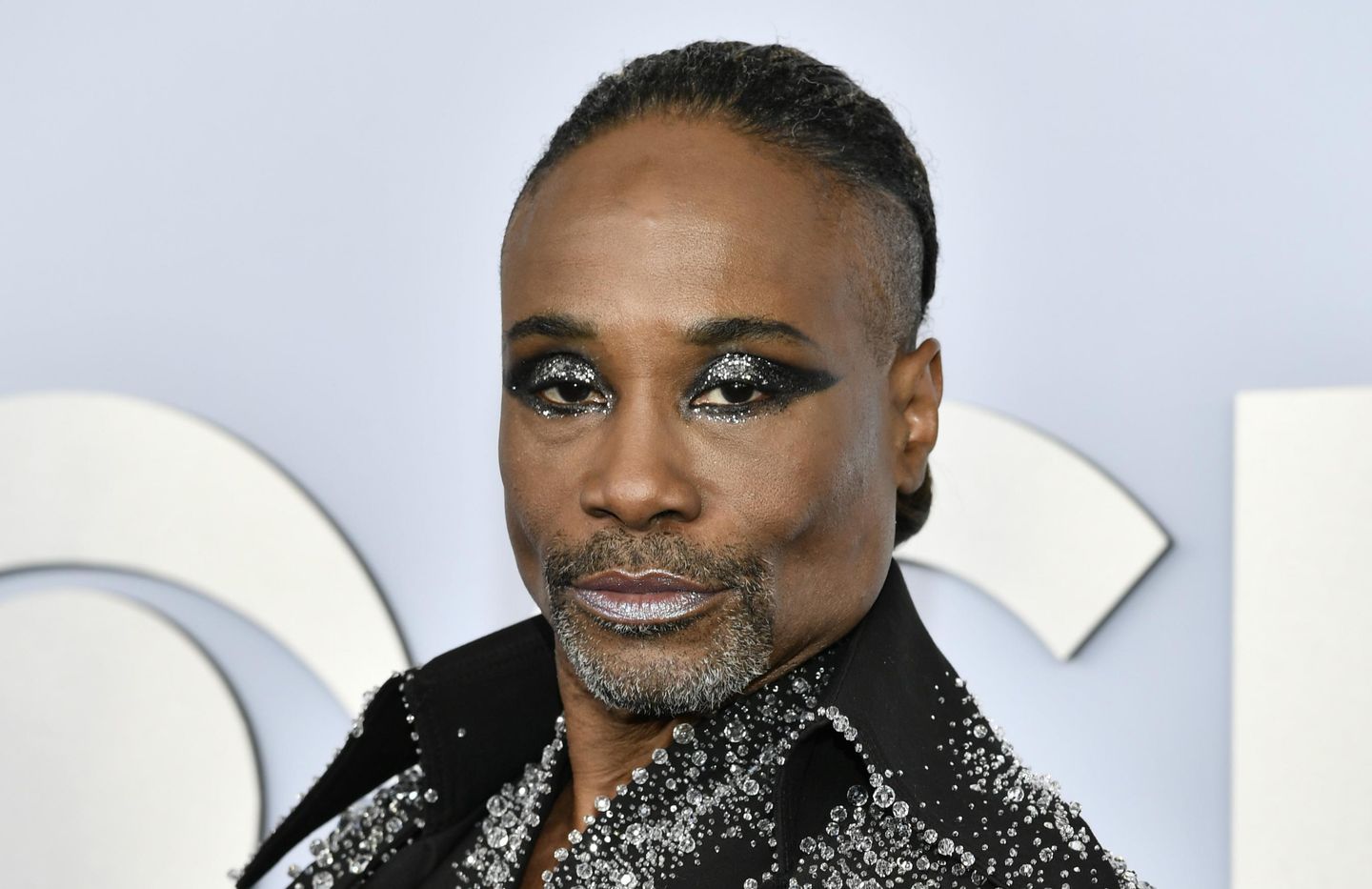
Actor Billy Porter said opportunities for Black and queer artists are diminishing under President Trump’s administration, making his case at a high-profile Kennedy Center protest on the eve of the massive nationwide No Kings demonstrations.
Mr. Porter joined figures including Jane Fonda, Joan Baez and Jim Acosta at the Artists United for Our Freedoms rally outside the Kennedy Center on Friday, organized by the Committee for the First Amendment. The event came as the Kennedy Center faces a planned two-year closure beginning July 4, following staffing cuts and a reshaping of its programming under the Trump administration.
Speaking the following day on MSNBC’s “PoliticsNation with Al Sharpton,” Mr. Porter drew a link between the fight over arts and culture and the broader protest movement.
“Authoritarian governments go after the arts first,” Mr. Porter said. “Because the arts have the power to reach inside of people and change the molecular structure from the inside out.”
Asked whether the administration’s cultural agenda was already being felt in Hollywood and on Broadway, Mr. Porter said the answer was yes — though he acknowledged it may be early to fully assess.
“As a Black, gay, out artist, I caught the wave of what we now know as performative wokeness,” he said. “And I crashed through glass ceilings that were concrete. And I have noticed the opportunities slowly drying up for the work that I do.”
Mr. Porter, 56, contrasted the kinds of projects continuing to be produced against those he says are being sidelined. “The Midwest CBS shows and the cop shows… all of that stuff still exists,” he said. “But when it’s time to talk about heart, when it’s time to talk about connection, when it’s time to talk about people that don’t look like everybody else… there’s not a lot of that work going on right now.”
At Friday’s rally, Ms. Fonda warned that pressure on the arts could align with broader efforts to control what information the public sees and hears, according to WTOP.
Mr. Porter’s appearance at the Kennedy Center preceded what organizers described as one of the largest single-day protests in American history. Organizers estimated more than eight million people took part in coordinated No Kings demonstrations across all 50 states on March 28, spanning more than 3,300 rallies in major cities and smaller communities.
For Mr. Porter, the moment carries a sense of urgency that goes beyond political resistance. “This is not the normal resistance,” he told MSNBC. “We have to redefine what going high looks like in this new world order. We have a government who does not follow the rules.”
He also stressed the responsibility of public figures to speak out. “People feel safer when we come out, and we speak,” he said. “They feel like, ’OK, maybe I can give something of myself and join … and not feel alone.’”
Mr. Porter is set to be honored by the National Action Network, which has previously recognized artists including Harry Belafonte and James Brown.
This article was constructed with the assistance of artificial intelligence and published by a member of The Washington Times’ AI News Desk team. The contents of this report are based solely on The Washington Times’ original reporting, wire services, and/or other sources cited within the report. For more information, please read our AI policy or contact Steve Fink, Director of Artificial Intelligence, at sfink@washingtontimes.com
The Washington Times AI Ethics Newsroom Committee can be reached at aispotlight@washingtontimes.com.