TLDR:
- Millennials and Gen Z are flooding social media with nostalgic 2016 posts featuring Pokemon Go, Beyonce’s “Lemonade” and “Stranger Things”
- Mental health experts say the nostalgia trend is a coping mechanism as young people’s brains embrace the past when the present feels unstable
- Travel blogger Julia St. Clair hopes her 2016 dreams of graduating college and traveling can “light 2026 and have it burn brightly”
- The year marked a “temporal landmark” before pandemic disruptions put nervous systems into chronic adaptation mode
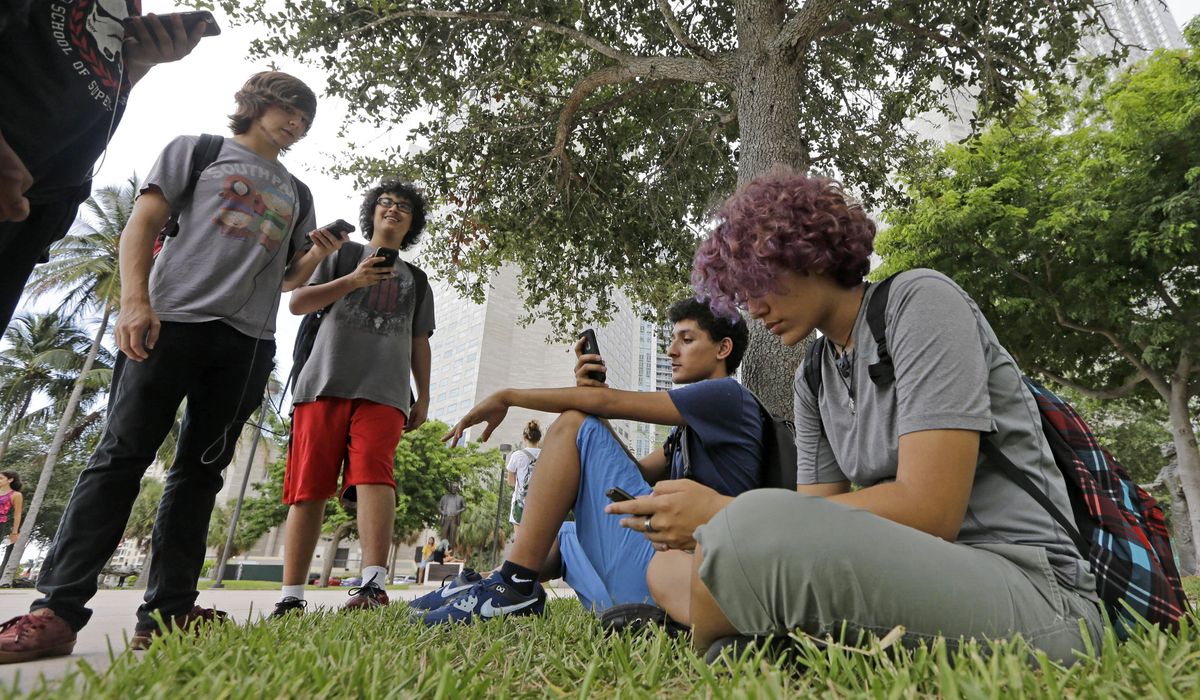
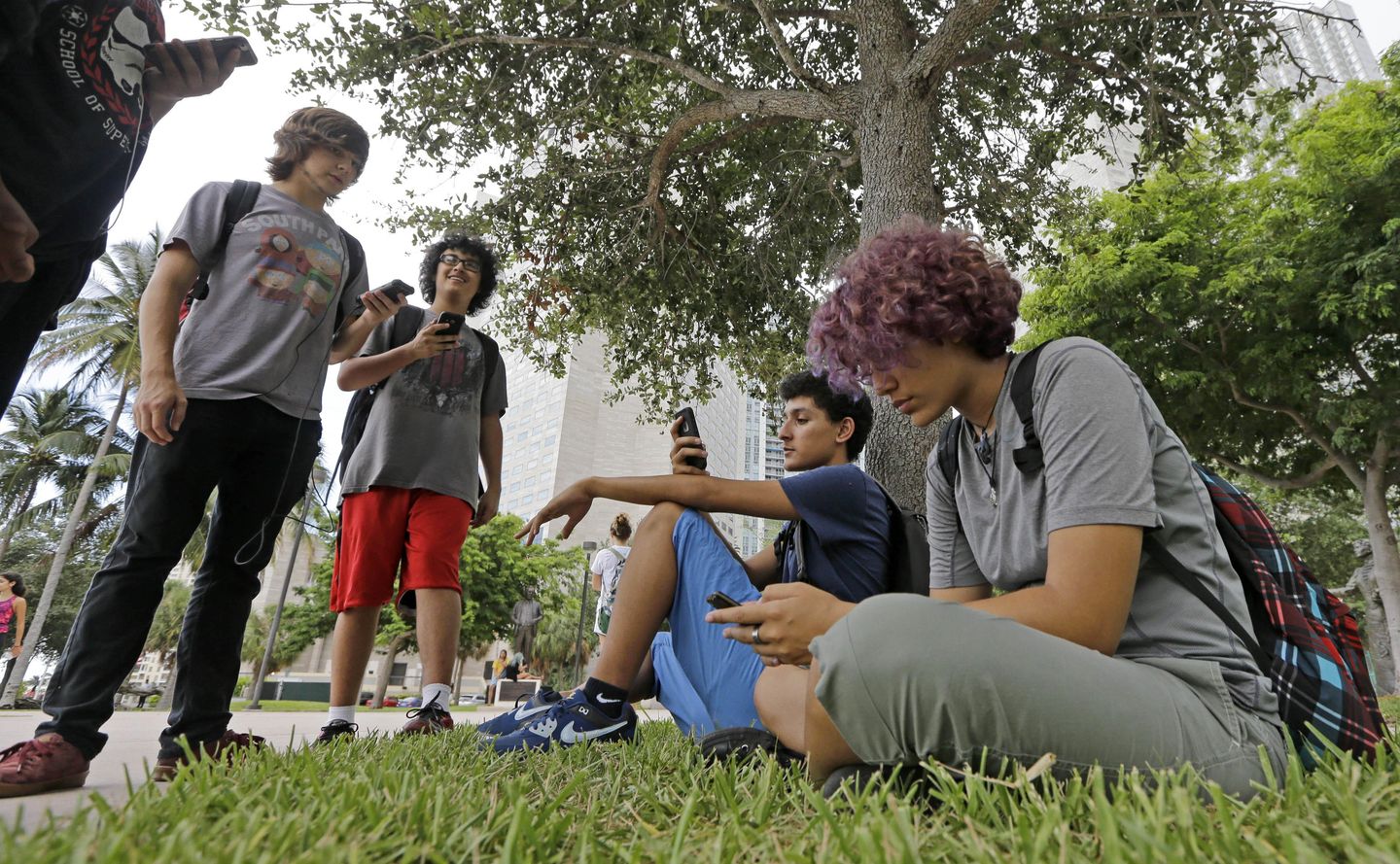
Millennials and Generation Z are turning to 2016 nostalgia as a lifeline for navigating 2026’s uncertainties, flooding TikTok and Instagram with memories of Pokemon Go, Beyonce’s “Lemonade” and Netflix’s “Stranger Things.”
Mental health practitioner Dalia Halabi says the trend reflects more than mere sentimentality. Under chronic stress from pandemic disruptions and political instability, young people’s brains are embracing the past as a coping mechanism.
“The present feels so unstable,” Ms. Halabi told The Washington Times. “We’re talking about a prolonged global disruption. We had a pandemic, there’s repeated uncertainty, collective stress, political instability, and so this kind of puts the nervous system into a chronic adaptation mode.”
Travel blogger Julia St. Clair, who graduated college in 2016 at 21, sees the year as representing unfulfilled promise. Some dreams have materialized while others haven’t.
“I hope and pray the hopeful flames of 2016 can light 2026 and have it burn brightly to lead us towards the light at the end of our tunnels,” Ms. St. Clair told The Times.
The year 2016 “functions as a temporal landmark,” Ms. Halabi said — a before-and-after structure for young adults seeking hope amid ongoing uncertainty.
Read more:
• Millennials and Generation Z have all the feels for 2016 in their social media posts
This article is written with the assistance of generative artificial intelligence based solely on Washington Times original reporting and wire services. For more information, please read our AI policy or contact Steve Fink, Director of Artificial Intelligence, at sfink@washingtontimes.com
The Washington Times AI Ethics Newsroom Committee can be reached at aispotlight@washingtontimes.com.