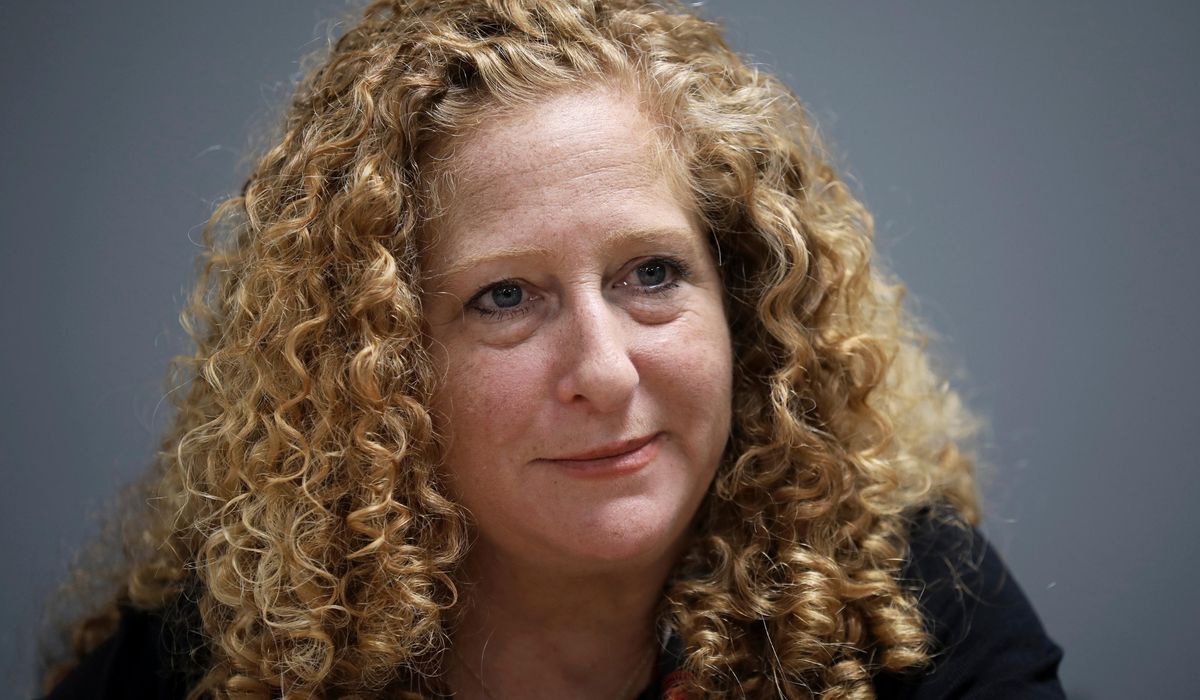
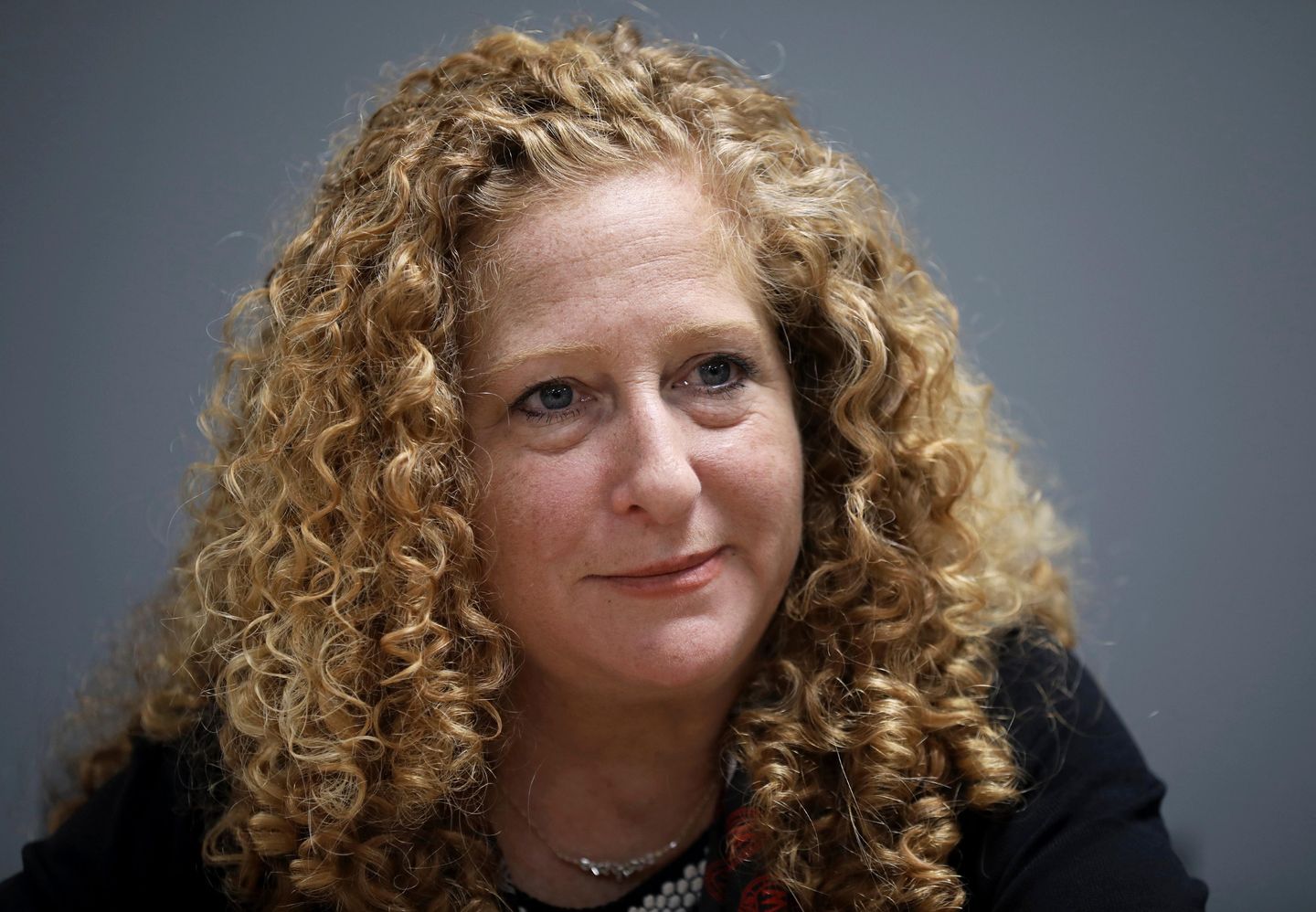
Columbia University has tapped University of Wisconsin-Madison Chancellor Jennifer Mnookin as its fourth president in the last five years, announcing her selection as the Ivy League institution seeks to regain its footing after two years of campus turbulence.
Her selection, unveiled Sunday, ends a lengthy search spurred by the August 2024 resignation of Minouche Shafik. She served as president for just 13 months before departing amid criticism of her handling of pro-Gaza protests and the suspension of donations from major contributors.
Ms. Mnookin, 58, faces a fresh set of challenges as the university moves to implement the conditions of its $221 million agreement with the Trump administration, which restored federal research funding in exchange for tightening disciplinary measures and adopting merit-based admissions and hiring.
Her tenure as president of Columbia is scheduled to begin July 1. She takes over for former board of trustees member Claire Shipman, who was named acting president in March 2025.
David Greenwald and Jeh Johnson, co-chairs of the Columbia University Board of Trustees, said that “Jennifer will be an exceptional leader for Columbia’s future.”
“She is a distinguished scholar who now leads a complex institution with clarity and vision,” they said in a statement. “She understands the essential role that higher education and research play in advancing knowledge, serving the public good, and addressing our most pressing challenges. She is also a keen listener who builds consensus and does not shy away from making difficult decisions when necessary. As president, she will lead Columbia forward with strength and a firm commitment to the University’s cherished values.”
Ms. Mnookin arrives with turnover among elite university presidents rivaling that of college football coaches. Other universities whose presidents have announced their departures in the last year include Cornell, Northwestern, Texas A&M, and the University of Virginia.
Both Harvard and the University of Pennsylvania saw their presidents exit after a contentious House hearing on campus antisemitism in December 2023, but the phenomenon of shrinking presidential tenures predates the Gaza War.
Factors cited by education experts for the revolving door include such as job stress, campus politicization, financial pressures, a declining student pool and lack of faculty support.
At Columbia, anti-Israel unrest on the Manhattan campus appears to have toned down dramatically during the 2025-26 academic year, although some tensions remain.
Several dozen protesters held a demonstration last week against the ongoing closure of the campus gates, which were shuttered two years ago over concerns about outside activists. Only those with Columbia-issued ID cards and approved guests and visitors may now access the Morningside Heights campus, as reported by the Columbia Spectator.
As Wisconsin chancellor, Ms. Mnookin had to grapple with anti-Israel protests, including a “Gaza Solidary Encampment” erected on the university’s Liberty Mall in April 2024.
She authorized police to clear the tents, resulting in the arrests of 34 protesters, including seven faculty, but struck a deal in May 2024 with Students for Justice in Palestine to exit the mall permanently. The encampment lasted just 12 days, according to the Daily Cardinal.
As part of the agreement, the university said it would invite a Palestinian scholar to campus each year for the next three years and hire a staff member to work with students “impacted by war, violence and displacement.”
The university rejected protester demands to divest the endowment from Israeli investments, but did agree to “facilitating access for SJP to relevant decisionmakers.”
Before her role as chancellor, Ms. Mnookin served for seven years as dean of the UCLA School of Law and for two decades on the faculties of the law schools at UCLA and the University of Virginia.
In a statement, she said she was “honored and thrilled to join Columbia University at this important moment.”
“Columbia is defined by rigorous scholarship, a deep commitment to open inquiry, world-class patient care, and an inseparable and enduring connection to New York City, the greatest city in the world,” she said. “I look forward to working closely with faculty, students, and staff, and with both our local and global community of alumni and friends, to advance the University’s critically important mission and to ensure that its teaching and research continue to contribute meaningfully to society.”
Ms. Mnookin received her bachelor’s degree from Harvard and her law degree from Yale. She also holds a Ph.D. in history and social study of science and technology from the Massachusetts Institute of Technology.