Pro-life advocates have amplified their pleas to restore federal safety measures on the abortion pill, arguing the risks to women have soared under lax rules that allow them to obtain the powerful drugs with virtually no medical oversight.
Live Action President Lila Rose called on the Food and Drug Administration to reimplement the measures removed under the Biden and Obama administrations, which reduced the number of required in-person medical visits from three to none.
“The FDA should revoke the approval of mifepristone as an abortifacient. Until that happens, it must immediately restore in-person exams, full medical screening and real follow-up requirements,” she said in a statement. “Every day of delay means more women harmed and more children killed.”
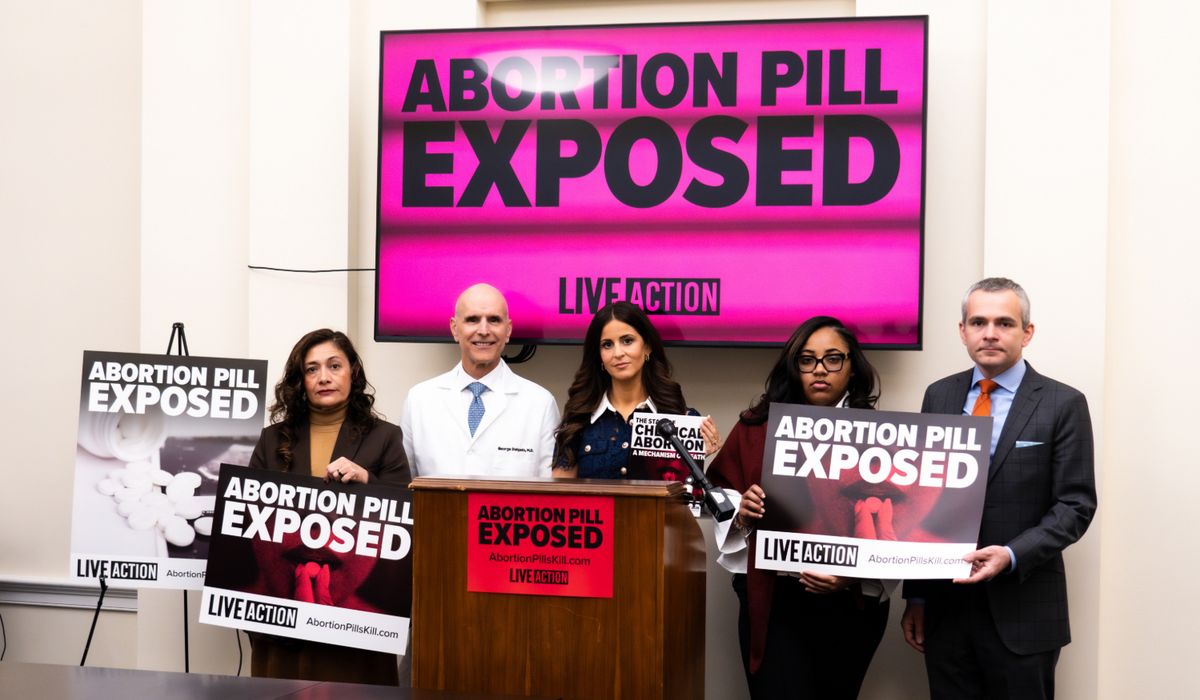
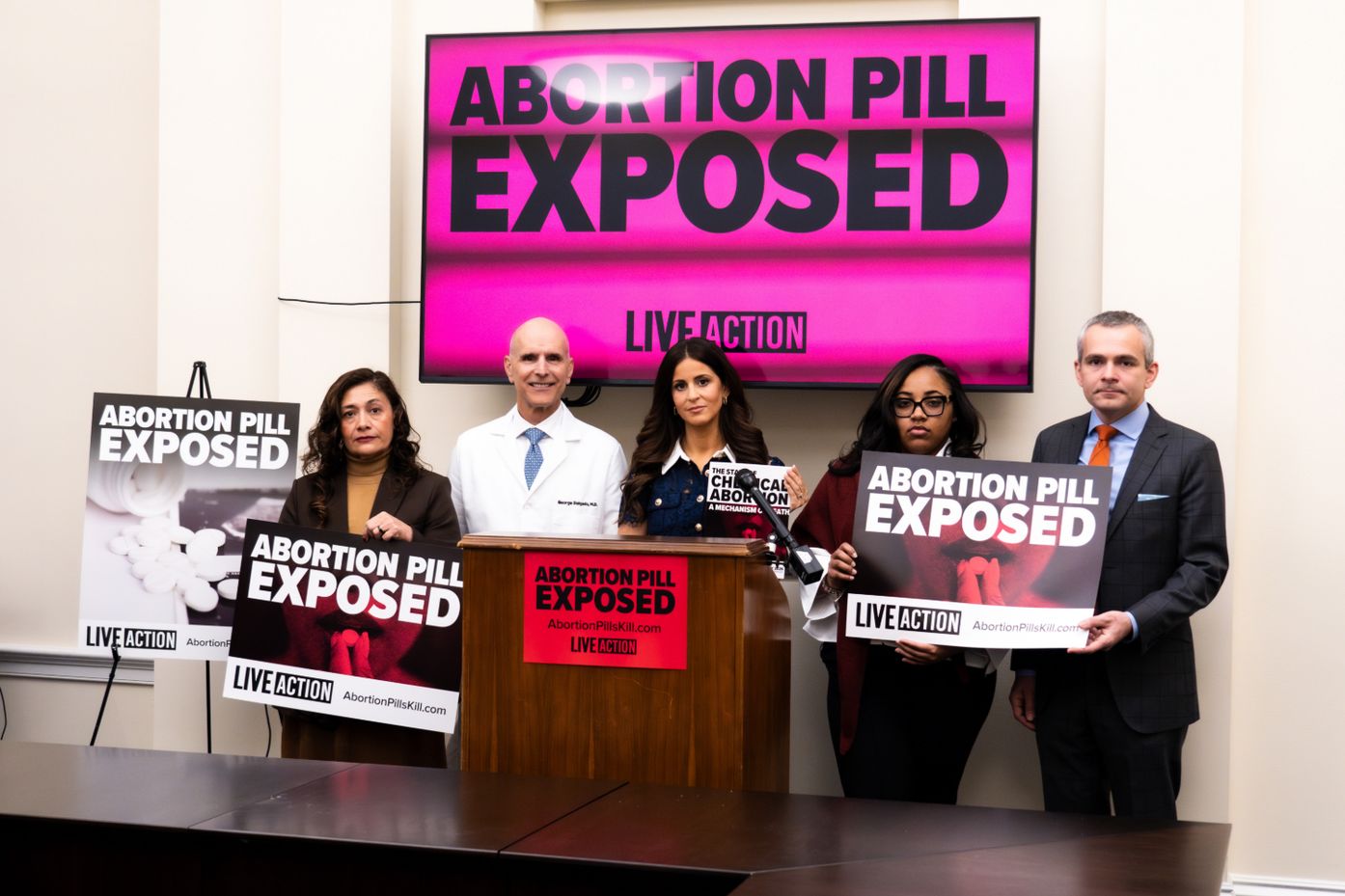
She and other pro-life activists held a press conference with lawmakers Thursday on Capitol Hill to draw attention to the risks associated with the abortion pill ahead of the National March for Life on Friday, the nation’s largest annual pro-life gathering.
Those advocating against the abortion pill didn’t sugarcoat the details.
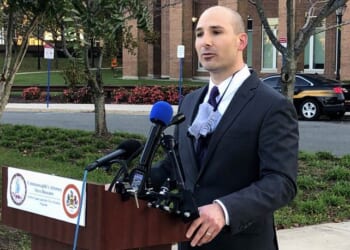
Dr. George Delgado, who pioneered the abortion-pill reversal process, said that the FDA’s decision to allow the drugs to be prescribed via telehealth and delivered by mail has turned at-home abortion into the “Wild, Wild West.”
SEE ALSO: Fueled by pills, the rate of abortions nationwide keeps rising after Supreme Court’s Dobbs decision
He said the FDA rules fail to take into account the dangers associated with ectopic pregnancies, a major cause of maternal death, in which the fertilized egg implants outside the womb, often in the fallopian tube.
The condition occurs in about 2% of pregnancies and may be diagnosed with a pelvic exam or ultrasound, but a woman ordering abortion pills online without an in-person visit wouldn’t know whether her pregnancy is ectopic.
“These women who don’t get ultrasounds will not know this,” Dr. Delgado said. “They will be bleeding in their bathrooms thinking that this is par for the course for chemical abortion, but then their tube ruptures, and they will die.”
He added that “these cases have been documented, and I foresee many, many more have seen these women sacrificed on the altar of choice.”
Another problem: The FDA has approved mifepristone, one of two drugs in the abortion protocol, for use in terminating pregnancies up to 10 weeks’ gestation, but sometimes women don’t know exactly when they got pregnant.
Then there is the specter of boyfriends, ex-boyfriends and even husbands ordering abortion pills online and slipping them into the drinks of their pregnant wives and girlfriends to induce abortions.
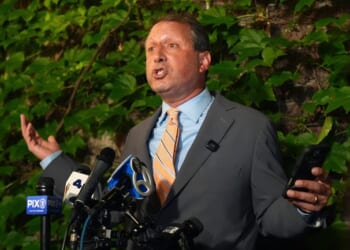
“This is why the in-person doctor visit was essential. It’s why the Clinton FDA required it, and then we saw, for political reasons, both Obama and Biden’s FDA got rid of it,” said Ryan T. Anderson, president of the conservative Ethics and Public Policy Center.
The center released a study last year of insurance data showing that nearly 11% of women suffered “serious adverse events” after taking abortion pills, nearly 22 times higher than reflected on the drug’s FDA-approved label.
“At the very least, the Trump FDA needs to return to this in-person doctor visit,” Mr. Anderson said. “It was the requirement for all four years of the first Trump administration. There’s no reason that it shouldn’t be returned immediately.”
NEW Live Action undercover exposé into Planned Parenthood
We called Planned Parenthood undercover to expose their reckless distribution of the abortion pill.
Here’s what we found:@FDA @VP @POTUS pic.twitter.com/lZUwCU1UCa
— Live Action (@LiveAction) January 22, 2026
Live Action also released a video of an undercover investigation showing a young woman calling Planned Parenthood clinics about abortion pills, underscoring how the drugs may be obtained remotely, without providing a medical history or knowing when the pregnancy occurred.
Mayra Rodriguez, a former Planned Parenthood clinic director in Arizona, recalled receiving after-hours calls from women suffering severe pain after taking mifepristone and misoprostol, the two drugs used in the abortion-pill protocol.
Some women were also shocked by what they saw after passing the clot of blood and tissue.
“[There were] phone calls in the middle of the night from these young women saying, ‘It doesn’t look like a clot, it looks like a baby. I can see hands and feet. What do you want me to do?” Ms. Rodriguez said. “Flush it down the toilet. That is trauma inflicted on women.”
Others would show up afterward at the clinic, accusing Ms. Rodriguez of misleading them.
“Women are left alone to deal with the pain, with the bleeding, with the trauma of seeing their baby flushed down the toilet,” Ms. Rodriguez said. “I had patients walk back in with the baby in a paper towel, telling me, ‘You never told me I was going to see this.’”