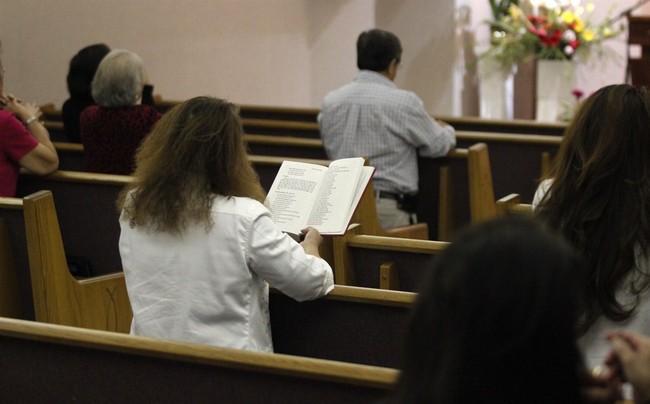
Driving by that old country church, you’d never know it had a leaky roof, but you do see the pastor stand outside, pointing at storm clouds one county over.
Rain is necessary, sure, but what’s keeping families away is the rain dripping all over the pews.
When a holy place forgets what shelter means, people don’t return.
A Statement That Misses the Center
Cardinals Blaise Cupich of Chicago, Joseph Tobin of Newark, N.J., and Wilton Gregory of Washington raised moral objections to American foreign policy choices as of late, calling global tensions heightened.
These aren’t clergy working on street level; they hold serious authority within the American Catholic Church, both pastoral and administrative. However, each decided to focus their public energy outward, toward statecraft, military power, and diplomatic posture.
What was their concern: immoral behavior by people or doctrinal confusion?
Nope.
Their problem focused on war, deterrence, and America’s international role. Each is a serious subject, but not a Sacramental one.
“In 2026, the United States has entered into the most profound and searing debate about the moral foundation for America’s actions in the world since the end of the Cold War,” the three highest-ranking U.S. Catholic archbishops said in a rare joint statement.
Citing recent developments in Venezuela, Russia’s war in Ukraine, and the threats against Greenland by the Trump administration, the archbishops said rights of nations to self-determination appeared “fragile”.
“The events in Venezuela, Ukraine, and Greenland have raised basic questions about the use of military force and the meaning of peace,” the clerics said.
The joint statement did not directly name Trump. The White House did not immediately respond to a request for comment.
The Church’s role is older than any republic, a role far more demanding than commentary on geopolitics.
A Billion Souls, Shrinking Parishes
There are over one billion Catholics worldwide, yet Mass attendance in the U.S. continues to decline, as parishes merge, schools close, and vocations decline. But the decline isn’t quick; confusion over doctrine, discipline, and identity leaves many people to drift away quietly instead of slamming the doors shut on their way out.
The first obligation of a shepherd sits close to home: faith weakens when church leaders speak more about politics and less about sin, mercy, repentance, and redemption. Sacred becomes optional when sermons sound more like policy panels; all we hear is that those topics are covered everywhere else.
Render Unto Caesar Still Applies
Scripture already settled the boundary when Christ answered a political trap with clarity: “Render unto Caesar what belongs to Caesar, and unto God what belongs to God.”
Christ wasn’t dodging; He set the ground rule.
Foreign policy belongs to elected leaders accountable to voters, while pastors answer to something far higher and sterner. When clerics blur that line, any moral authority thins. Personally, I’m still waiting for the Church to admit to being wrong in their inactions towards Pelosi and Biden about their views on abortion.
When religious leaders talk politics, they invite political rebuttals.
Sacred authority demands reverence, but combining the two undermines both.
Prudence Isn’t Pacifism
Catholic teaching allows for war under strict conditions: prudence, defending the innocent, and restraint are all important. None needs public lectures aimed at one nation’s strategy, while tyrants slaughter their people without apology.
Don’t judge, or you’ll be judged — needed to get that out of the way. Keeping quiet toward apparent evil, combined with their scolding of democratic governments, creates a moral imbalance that people notice.
Credibility erodes when condemnation points inward, while brutality elsewhere earns nothing more than a quick statement.
Pastoral Authority Has a Shelf Life
Every institution survives on trust; churches survive on something more profound: the belief that leaders speak eternal truth over temporary opinion. When cardinals sound no different from advocacy groups, parishioners wonder why attendance matters at all.
Foreign policy briefings don’t belong in a church. Struggling families don’t need a strategic doctrine. They need clarity, courage, and conviction rooted in faith, not the words of men.
Final Thoughts
The church’s leaky roof stays wet while leaders continue pointing at distant stormclouds.
Parish by parish, family by family, faith drains away when shepherds forget to provide shelter.
Repairing a leaky roof isn’t as dramatic as condemning global power, but people stay where they feel protected, guided, and fed.
I know a person’s faith plays a role, but when your faith takes a back seat to politics within a church, it becomes even more challenging to hold on to.
Serious debates deserve serious space, free from noise and filters. PJ Media VIP offers that room, along with voices willing to say what others won’t.
Join PJ Media today and keep honest discussion alive.