Don’t miss the full story, whose reporting from Alexa St. John at The Associated Press is the basis of this artificial intelligence-assisted article.
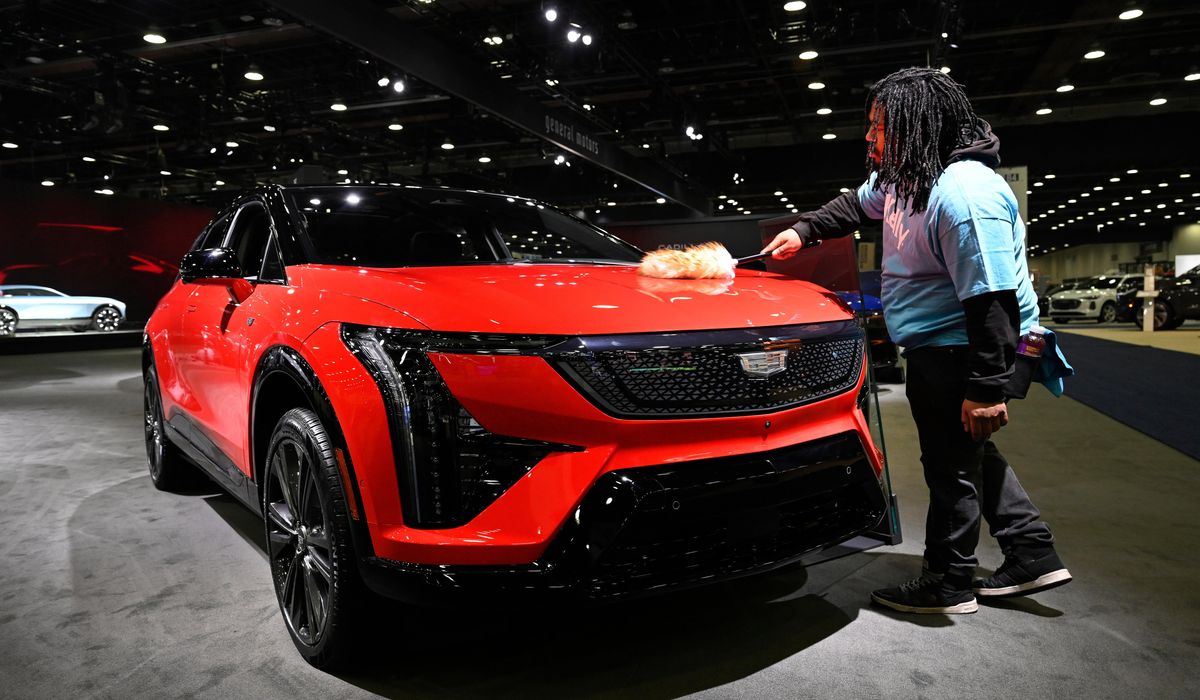
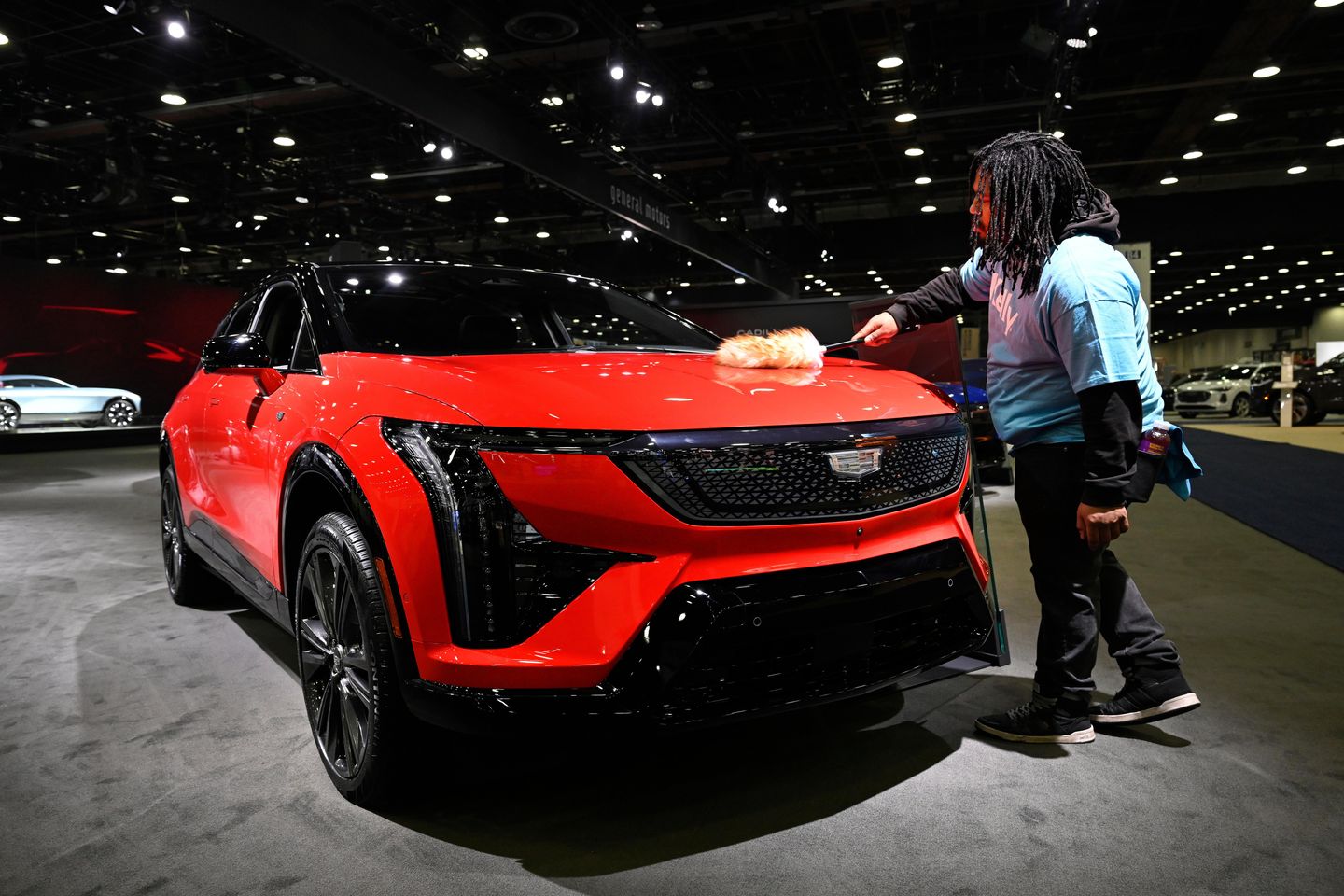
The Detroit Auto Show reflects the U.S. auto industry’s retreat from electric vehicles under the Trump administration’s pro-fossil fuel policies, raising concerns that American automakers are falling behind China and Europe in the rapidly electrifying global market.
Some key facts:
• The Detroit Auto Show eliminated its EV-exclusive track this year, opening both indoor tracks to hybrids and gas-powered vehicles.
• U.S. electrified vehicle sales grew just 1% in 2025, compared to 17% growth in China and 33% in Europe.
• Pure EV market share in the U.S. was just under 8% in 2025, with 1.23 million EVs sold, a slight decline from 2024.
• President Trump revoked then-President Biden’s target for half of new vehicle sales to be electric and cut EV tax incentives of up to $7,500.
• Ford announced $19.5 billion in charges from electrification efforts and ended production of the all-electric F-150 Lightning truck.
• General Motors announced $6 billion in EV-related charges and rolled back some EV commitments.
• Trump’s administration weakened fuel economy standards and eliminated penalties for automakers who don’t meet them.
• Industry experts warn that China has captured major market share in EVs almost everywhere except the U.S. and Canada, threatening American competitiveness.
READ MORE: At Detroit auto show, spotlight dims for EVs
This article is written with the assistance of generative artificial intelligence based solely on Washington Times original reporting and wire services. For more information, please read our AI policy or contact Steve Fink, Director of Artificial Intelligence, at sfink@washingtontimes.com
The Washington Times AI Ethics Newsroom Committee can be reached at aispotlight@washingtontimes.com.