China and Russia rebuked the U.S. pressure campaign against Venezuela on Tuesday, asserting that Washington is using bullying and intimidation tactics inconsistent with international law.
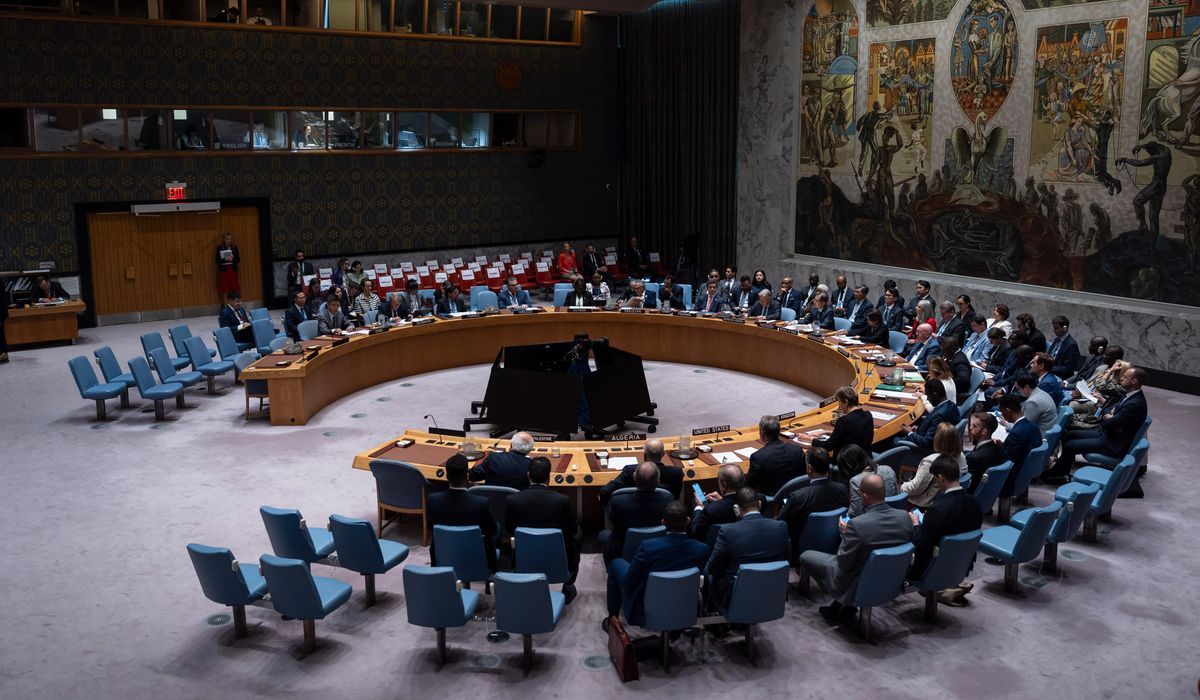
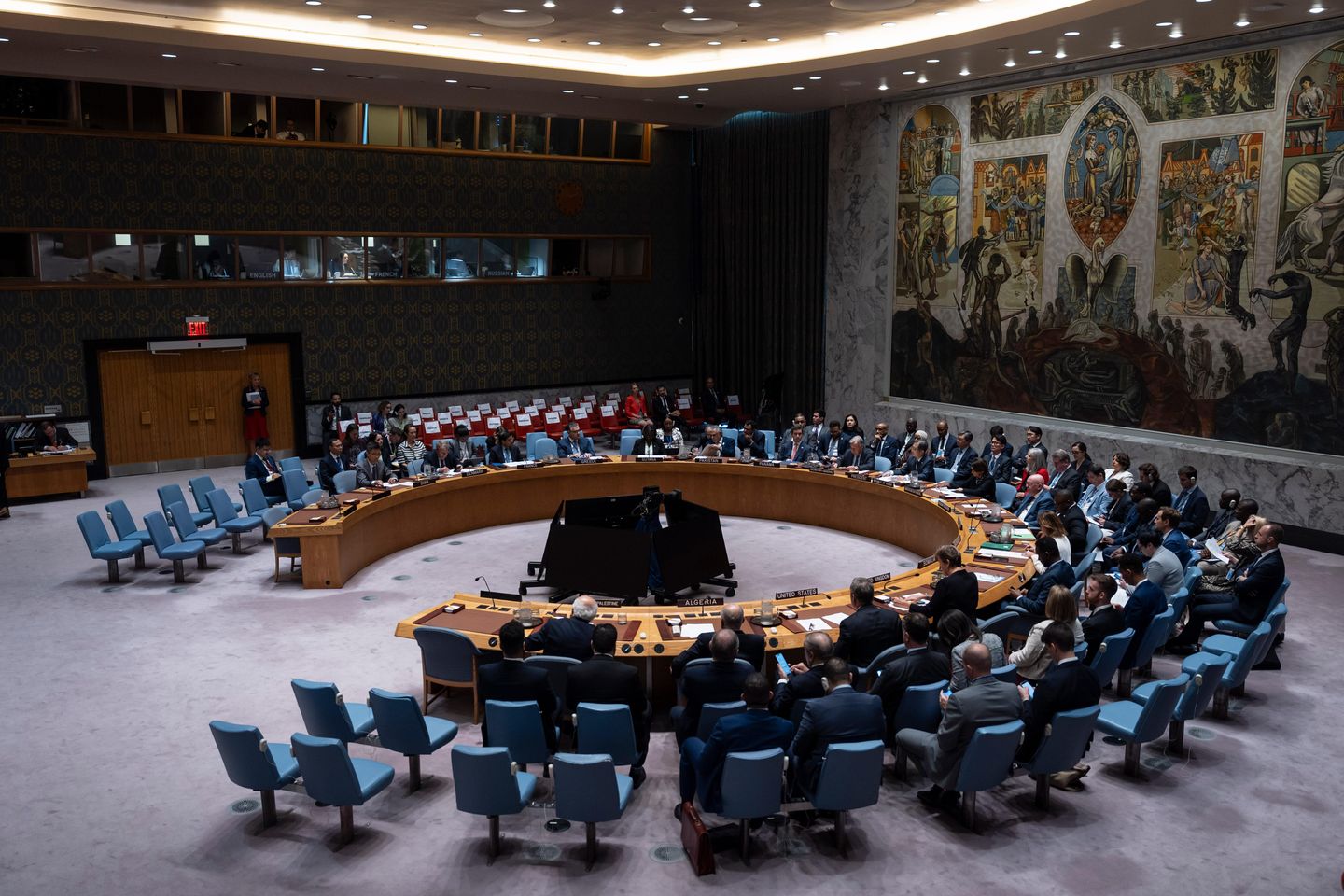
Representatives from both nations spoke in support of Venezuela at an emergency meeting of the U.N. Security Council. Venezuela called the meeting with support from China and Russia, who are permanent members of the council.
“The acts by the U.S. side run counter to all key norms of international law,” said Russian Ambassador to the U.N. Vassily Nebenzia. “The responsibility of Washington is also evident for the constant catastrophic consequences of such cowboy-like conduct.”
Chinese representative Sun Lei echoed Russia’s comments, adding that Beijing supports Venezuela in defending “their sovereignty” against “unilateralism” and “bullying.” China had previously promised to offer diplomatic support to Venezuela amid the U.S. campaign but has not yet committed to offering military or economic aid.
The U.S. has deployed a major military force to the Caribbean in recent months and began a naval blockage of Venezuela in December. As part of the blockade, U.S. forces have seized at least two oil tankers off the Venezuelan coast that are believed to be under sanctions.
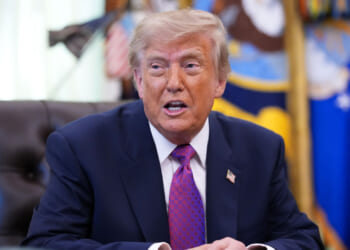
U.S. Ambassador to the U.N. Mike Waltz, speaking at Tuesday’s meeting, insisted that the seized oil tankers are Venezuela’s main source of income and that the U.S. will eliminate it.
“The reality of the situation is that sanctioned oil tankers operate as the primary economic lifeline for Maduro and his illegitimate regime. The sanctioned tankers also fund the narco-terrorist group Cartel de Los Soles,” Mr. Waltz said of Venezuelan President Nicolas Maduro.
President Trump and his allies have alleged that the government of Venezuela is a “terrorist organization” that uses oil profits to finance international drug and terror operations. The U.S. military has also conducted airstrikes on small boats traveling in the Caribbean, which the Pentagon says are carrying fentanyl. The strikes so far have killed at least 100 people.
At the U.N. meeting, Venezuela called the U.S.’ economic and military pressure campaign the “greatest extortion known in our history” and said Washington is seeking regime change.
“We are in the presence of a power that acts outside of international law, demanding that Venezuelans vacate our country and hand it over,” Venezuelan Ambassador Samuel Moncada said.
He added that U.S. aggression in the Caribbean is consistent with the tactics laid out in November’s National Security Strategy, which called for a “Trump Corollary” to the Monroe Doctrine.
“The United States, which was an indispensable country in the construction of the United Nations and in the drafting of its founding charter, has today become an actor that seeks to impose itself on the fundamental rights of all states in the Western Hemisphere,” Mr. Moncada said. “Today, it has become a state that threatens international law and peace and security.”
Mr. Waltz dismissed criticism from Venezuela and its allies at the meeting, asserting that Mr. Trump is working within a proper legal framework to protect U.S. interests and security in the region.
“The United States will do everything in its power to protect our hemisphere, our borders, and the American people,” Mr. Waltz said.
Mr. Waltz added that the U.S. believes the Venezuelan president is a fugitive and the leader of a massive drug trafficking organization called “Cartel de los Soles,” which the U.S. designated a terrorist organization in November.
Mr. Maduro has repeatedly denied any state involvement in drug trafficking and has accused the U.S. of seeking regime change in his country to gain access to Venezuela’s large oil reserves.