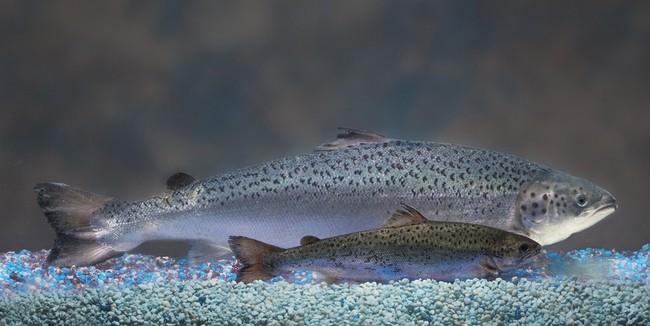
Once, a farmer brought home a new dog to guard his chickens. The pup took the job seriously, too seriously. Soon, the yard was covered with feathers, while the coop fell quiet. It was a noble plan, but the result left the pen empty.
The Pacific Northwest faces a similar moment of reckoning.
Before Interference, Balance Ruled
Long before the rule of the bureaucrat, before federal statutes and recovery plans, salmon and sea lions shared the same waters without collapse. Predation existed, of course, but limits mattered.
Salmon moved freely through wide rivers that didn’t have concrete walls that pushed the fish into narrow lanes. Sea lions hunted along vast coastlines rather than waiting at those new artificial choke points.
Nature finds a balance. Sometimes we meat sacks don’t think the balance is correct, so, like morons, we change things, not planning for Joe and Skippy’s “Law of Unintended Consequences.” (If you get the reference, cool! If not, and you like fun sci-fi, I’ll introduce you to an entertaining series.)
Sorry, got distracted.
Anyway, nature measures the balance and lets scarcity push predators elsewhere. When prey is abundant and spread across miles of habitat, no single species gains a significant advantage, because movement, weather, and geography enforce natural restraints.
Were I live, for example, we have enough rabbits to make Watership Down envious. My much smarter and lovely wife — morally obligated to write that — has started seeing foxes on her early morning drive to work. Soon, I expect coyotes will follow.
Even with us dirty monkeys in the way, nature balances things out.
That equation, natural balance, was screwed up by human intervention. Dams compressed migration routes, fish ladders concentrated prey, and protections froze predator numbers at a moment when landscape conditions didn’t match historic patterns. Nature didn’t fail the law of balance; human design did.
A Balance That No Longer Exists
Sea lions now line riverbanks where salmon once passed with room to maneuver. Federal protections helped the seal lion populations rebound along the Pacific coast, and the rebound worked well. Too well.
The California sea lion population has boomed, thanks to the Marine Mammal Protection Act (MMPA) of 1972. It’s now threatening already endangered native fish species in Washington State.
Washington’s Department of Fish and Wildlife has deemed sea lions a “serious threat” to Columbia River salmon and steelhead trout.
Breeding numbers climbed, while colonies expanded. Hungry predators do what their instincts tell them to do: hunt and eat.
Salmon didn’t get the memo; they haven’t adapted to face predators waiting in large numbers at narrow choke points. Dams and degraded habitat already reduced margins for survival.
Waiting under fish ladders, Sea lions are rapidly finishing the job.
Vanishing fish near major dams have been tagged and tracked by biologists. Videos show repeated ambushes during peak migration windows. A single sea lion consumes dozens of adult salmon in a day. Multiply that by hundreds of animals over weeks, and salmon losses become greater than any recovery plan can absorb.
Protection Without Adjustment
Protecting marine mammals has been a decade-long endeavor, launched after populations crashed due to overhunting. Those protections worked: sea lions recovered, while salmon didn’t.
In a typical case of government oversight, policies failed to adapt when they succeeded. Seal lions remain protected under rules written for scarcity, while salmon struggle under conditions of constant pressure.
Several Chinook and steelhead runs now hang on the edge of collapse because each has missed several spawning seasons that tighten the spiral.
Nonlethal methods were tried first; wildlife managers used rubber rounds, noise, and visual deterrents. Relocation was a temporary fix, but no matter what humans have wanted, they can’t fight instinct.
Barriers were inconsistently successful and often failed during high flows. Sea lions are fast learners; evidently, salmon aren’t.
Math turned and stayed ugly.
A Rare Moment of Agreement
A bipartisan effort began backing limited authority for targeted removals near critical bottlenecks. Limited means no broad culls or coastal disruption, focusing narrowly on individual animals that repeatedly prey on endangered runs at specific sites.
Supporters argue the measure restores balance rather than shatters it, while opponents fear any step backward from absolute protection.
In the meantime, the number of fish keeps falling.
Years of warning from state agencies and tribal authorities who depend on healthy runs for treaty fishing rights finally pushed Congress into action. For them, this issue means cultural survival, not wildlife management.
Consequences Ripple Outward
Salmon aren’t the only anchor for river ecosystems: Orcas rely on fatty Chinook to live, commercial fisheries depend on predictable returns, and rural towns depend on successful seasons.
There are already signs of economic damage: fishing windows are shrinking, hatcheries are stretching their budgets, and tourism, tied to fall runs, is fading away quietly. None of those losses show up on any environmental victory memos.
Only if the fish live long enough to use it, habitat restoration could help. Dam upgrades matter only if adult salmon reach spawning gravel. Predators waiting at the final gate still erase any upstream gains.
State wildlife agencies kept notes on those patterns years ago, while the data grew, public attention drifted, and the problem never disappeared.
It only grew.
Stewardship Requires Courage
As the new saying goes, with great power comes great responsibility. The rubber hits the road when real stewardship demands adjustment in response to changing conditions. At the time, protecting sea lions made sense, but refusing to change after success shows ignorance, or maybe fear, rather than principle.
Ecosystems reject extremes; allowing a single newly recovered predator to overwhelm a prey species unprepared for change doesn’t serve either species. Restoring balance requires intervention, even when the decisions that follow draw criticism.
Reps. Michael Baumgartner, R-Wash., and Marie Gluesenkamp Perez, D-Wash., each acknowledge problems and realize it’s time to take action.
“There’s a wall that stops the two parties from meeting in the middle on a lot of issues,” Gluesenkamp Perez told Fox News Digital. “Most of the time, you have to go brick by brick to tear it down. Every now and then, you can chuck a 2,500-pound sea lion at it.”
“Salmon are a huge deal in Washington State. We have extensive salmon-bearing rivers that have historical cultural significance to our Native American tribes, a lot of interest and economic activity with sports fishermen, and our rivers are also the site of really important hydroelectric dams,” Baumgartner told Fox News Digital.
Any effort to attempt targeted removals won’t empty beaches or reverse decades of conservation gains. Instead, they offer a chance to stabilize runs before emergency levels take precedent over thoughtful ones. If there’s a delay, then expect collapse.
Eventually, our farmer rebuilt his coop and rehomed the dog. Quiet returned across his yard, and he brought his chickens back.
When somebody admits their plan overshot the goal and fixes it, then systems can recover.
Final Thoughts
When humility guides decisions, wildlife policy will succeed. Protecting sea lions works, and acknowledging reality rather than denying it is better.
Salmon, rivers, and coastal communities depend on choices grounded in consequences.
Not slogans.
PJ Media’s YUGE Christmas and New Year’s sale is on — now at our lowest rate of the year! This huge sale on our VIP Memberships ends on January 1, so make sure you join the club to get our special behind-the-scenes look at the news. Receive 74% off by following this link and using our promo code MERRY74.