Don’t miss the full story from our staff writers, whose reportage is the basis of this article.
The Trump administration is implementing what analysts describe as a 19th-century “spheres of influence” foreign policy doctrine, with Latin America taking center stage in this strategic shift. The approach represents a potential departure from the post-World War II international alliance strategy that has long defined U.S. global power.
The administration’s 2025 National Security Strategy, released in November, formally establishes this new direction by declaring the U.S. will “assert and enforce a ’Trump Corollary’ to the Monroe Doctrine.” This references both President Monroe’s 19th-century proclamation keeping Europe out of Latin America and Theodore Roosevelt’s assertion of U.S. policing power in the region.
The strategy has generated debate among national security experts and outrage from some European allies who fear abandonment. Former Associate Director of National Intelligence Joseph DeTrani acknowledged the administration prioritizes U.S. core national interests over maintaining a rules-based international order, noting allies must now contribute more to their own defense.
The most visible manifestation of this doctrine is the substantial U.S. military presence off Venezuela, where at least a dozen major warships, including the USS Gerald Ford aircraft carrier, are deployed.
Analysts view this buildup as an attempt to reestablish Latin America within America’s sphere of influence and limit Chinese military and intelligence operations in the region.
The strategy explicitly targets China, stating the U.S. will fight “hostile foreign incursion or ownership of key assets” and push out foreign companies building infrastructure in the Western Hemisphere. However, experts question whether the U.S. can compete with China’s infrastructure investments across Peru, Brazil, Chile, Colombia and Argentina, noting Chinese companies offer cheaper, large-scale construction capabilities.
Meanwhile, the U.S. is reducing its global military footprint. Trump has demanded increased NATO defense spending and shown openness to Russian demands in Ukraine peace negotiations. Reports suggest the Pentagon may downgrade Africa Command, Central Command and European Command while consolidating Northern and Southern Commands into a single Americas Command focused on the Western Hemisphere.
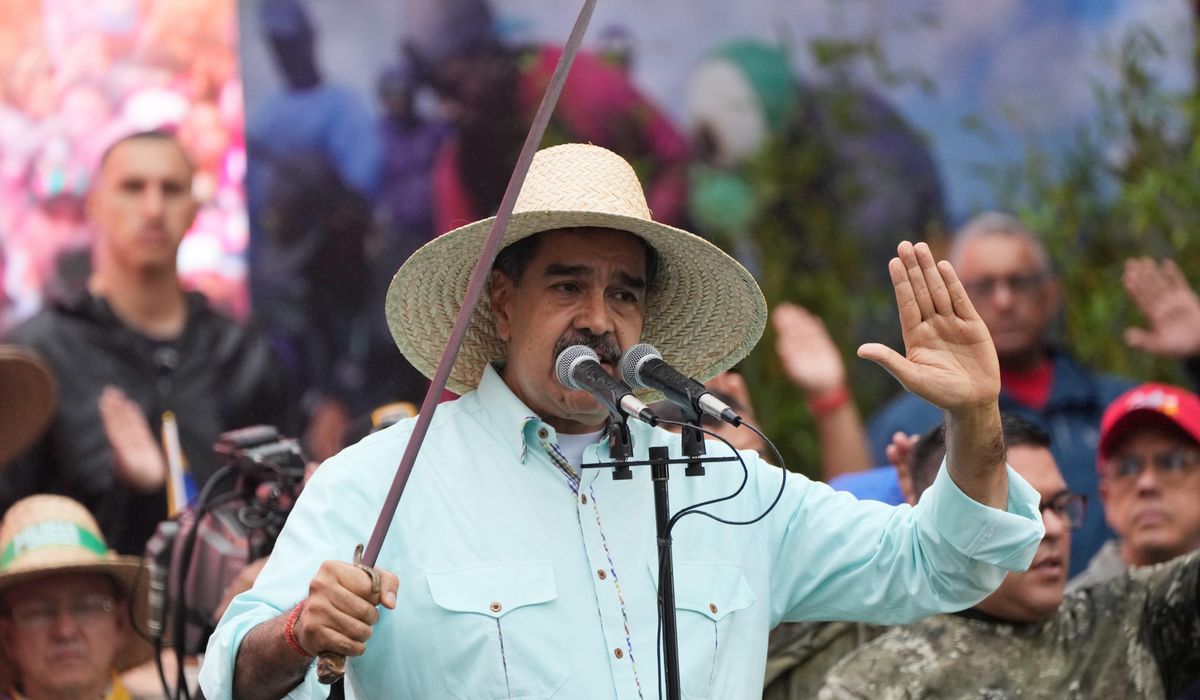
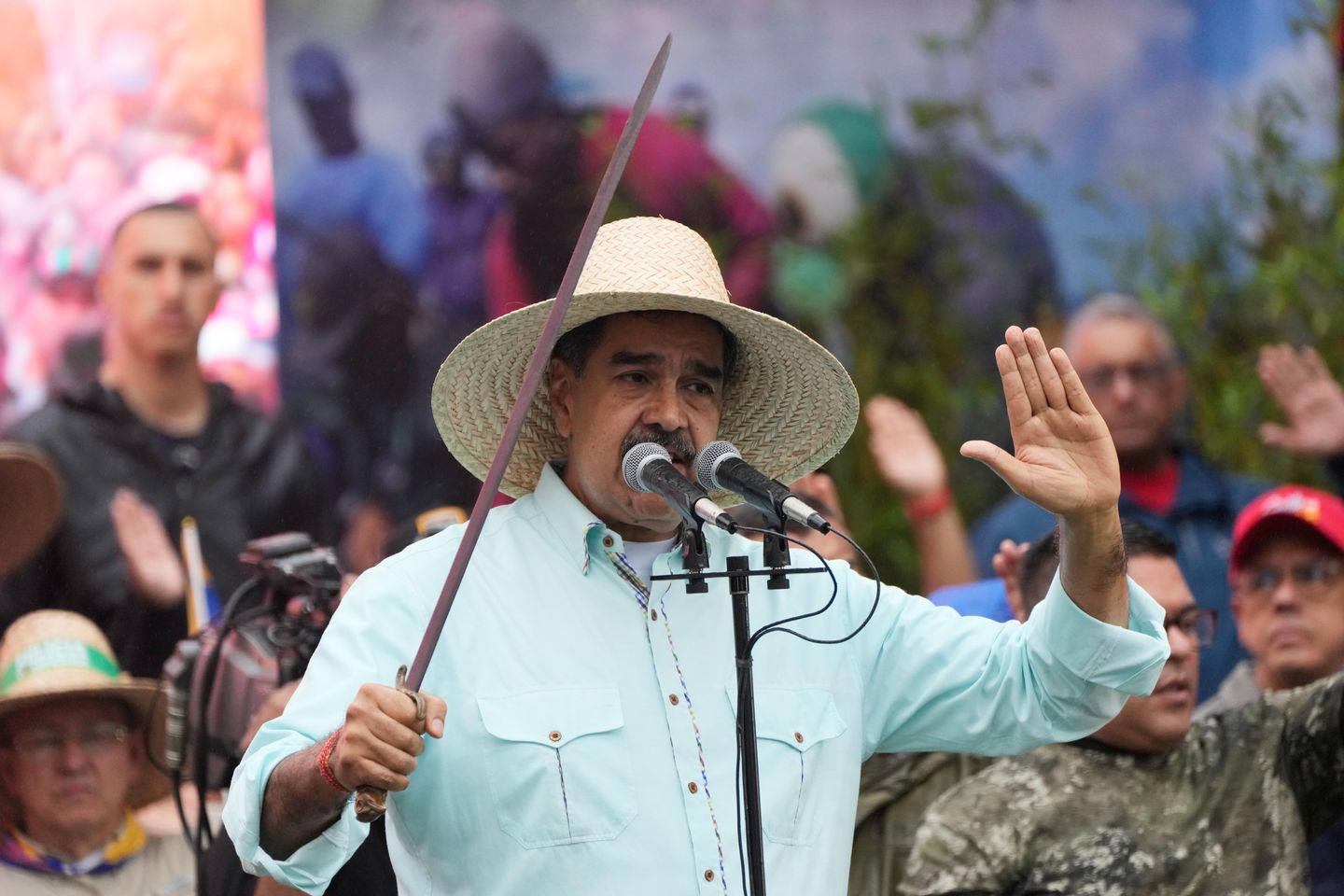
The administration has also intensified counternarcotics efforts, designating Venezuela’s Maduro government as a terrorist organization and conducting dozens of airstrikes on vessels allegedly carrying drugs, killing at least 99 people. Critics warn this approach could create an endless war with unclear targeting parameters.
Some analysts caution that pushing China out of Latin America could backfire by reducing infrastructure investment and increasing migration to the U.S. border, while critics argue the strategy resurrects unpopular U.S. imperialism. Supporters counter that controlling the Western Hemisphere is essential for maintaining America’s global power status.
This article is written with the assistance of generative artificial intelligence based solely on Washington Times original reporting and wire services. For more information, please read our AI policy or contact Ann Wog, Managing Editor for Digital, at awog@washingtontimes.com
The Washington Times AI Ethics Newsroom Committee can be reached at aispotlight@washingtontimes.com.