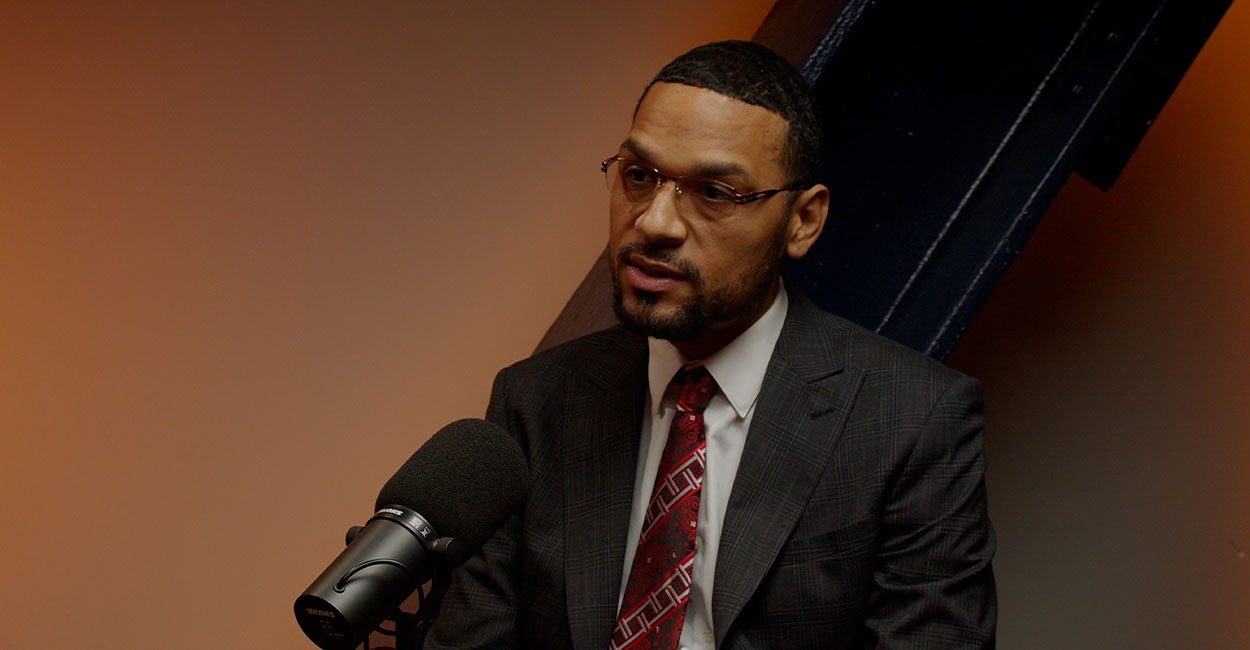
One evening, Josh Williams sat on the edge of his bed, gun in hand, and contemplated ending his life.
“I was in a pit of despair that I can’t describe to you,” Williams said in his interview on “The Signal Sitdown.” After hearing some terrible news from doctors regarding a traumatic workplace injury, Williams had told his then-wife to take the kids to the store. “I sat on the edge of my bed with my gun, and I was ready to kill myself. And I wrote out my suicide note.”
William’s three-year-old son, however, was left behind. Before Williams succumbed to despair and ended his life, his son walked in the room and said “Daddy, I’m hungry.”
“I tucked my gun away, and I grabbed my kid, and I cried,” Williams said. “Man, I cried for hours.”
When his wife returned home, Williams confronted her about leaving their three-year-old behind. “She said something kept telling her to leave him behind,” Williams recalled. “She couldn’t explain it.”
“Now, later on, I know that was God working in his own mysterious ways, that he sent one of his foot soldiers in that day to save my life because he had a bigger assignment for me,” Williams told The Daily Signal.
William’s life story is extraordinary. He grew up in poverty in Toledo, Ohio. He was homeless at 18. When he started to put his life together—motivated by providing for his own family—he fell 30 feet from a rail car at his railroad job. For the next six years, Williams was mostly bedridden.
The despair crescendoed when Williams was about to take his own life. But Williams overcame that despair. He would go on to get his college degree and his law degree, and he currently serves in the Ohio Assembly.
While William’s life story is extraordinary, it is powerful because it is a microcosm of a number of social illnesses plaguing this country: fatherlessness, homelessness, joblessness, drugs, suicide—the list goes on.
The aforementioned social ills have especially plagued our young men. Deaths of despair, an umbrella term for drug overdoses and suicides, top the list for causes of death among Americans 18-44 years old.
In a political and cultural environment in which some even celebrate this despair in the name of diversity, equity, and inclusion, this is precisely the moment when stories like William’s must be told.