JACKSONVILLE, Fla. — Florida on Tuesday is scheduled to execute two prisoners on the same day in a nearly unprecedented move that underscores the state’s rush to clear a backlog of long-delayed death row inmates.
State prison officials last executed two prisoners on the same day in 1964.
Florida, for the second year in a row, leads all other states in carrying out the death sentences of its long list of condemned prisoners.
By the end of July, Florida will have carried out 12 executions, far more than any other state. A 13th execution is slated for Aug. 18.
The second-busiest death chamber this year was in Texas, which has carried out four executions.
Florida’s pace in carrying out death sentences since 2025 has driven the national number of executions to the highest level in 16 years.
The U.S. executed 47 people last year, 19 in Florida.
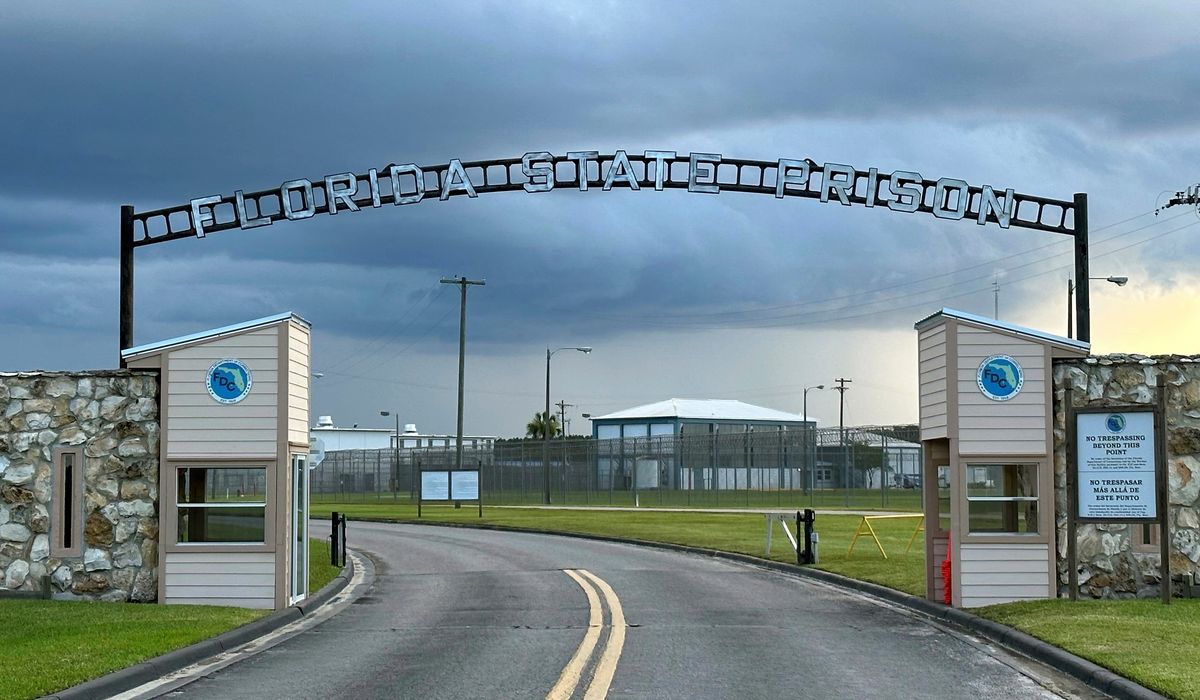
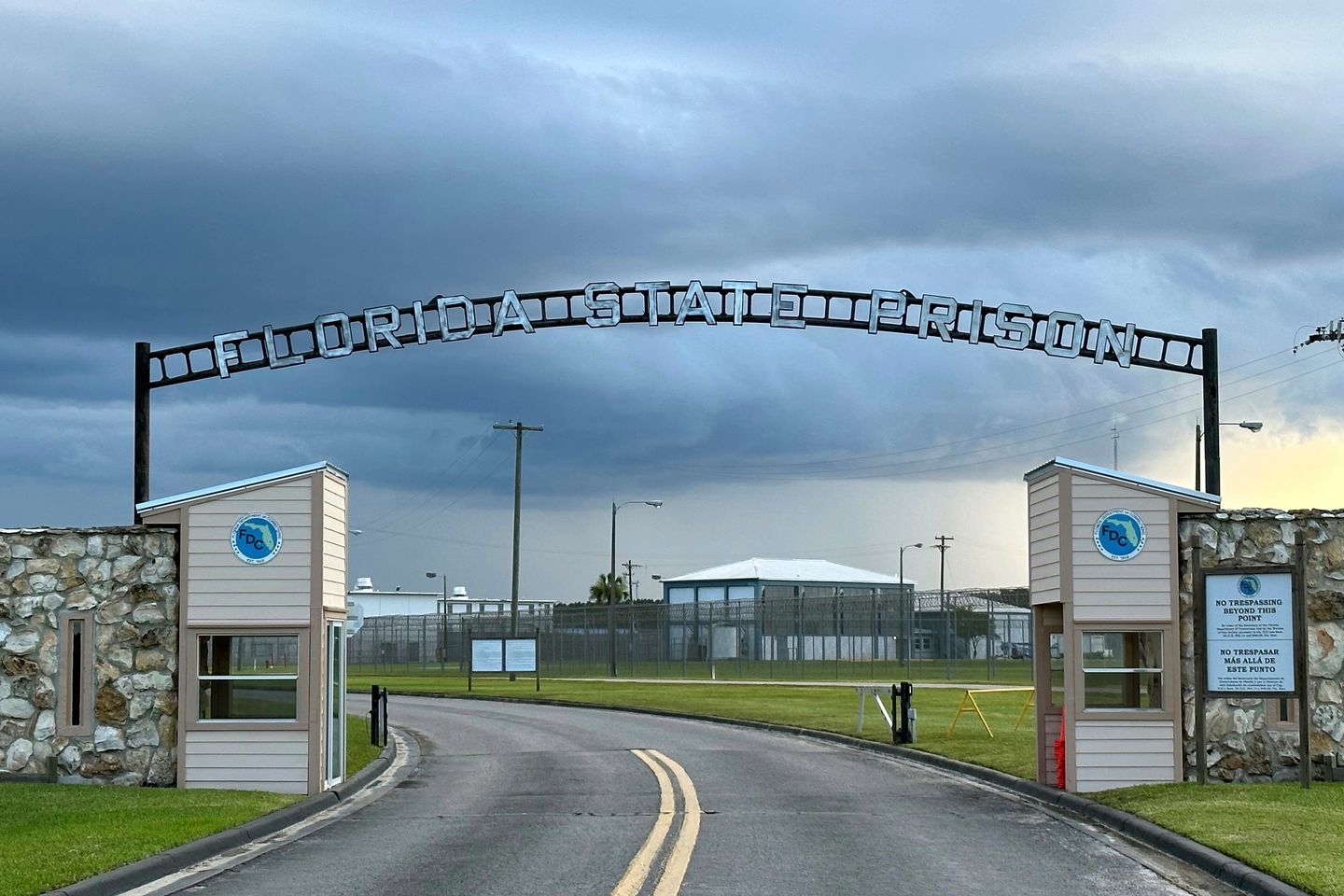
James Duckett, 68, convicted in the 1987 rape and murder of 11-year-old Teresa McAbee, is set to be put to death at noon at Florida State Prison near Starke.
A second execution is scheduled for 6 p.m.
Dominick Occhicone, 80, is set to become the oldest inmate executed in modern state history. He was convicted in the 1986 murder of his ex-fiancee’s parents.
Both men are scheduled to die by lethal injection.
Gov. Ron DeSantis explained the busy execution schedule during a press conference in Jacksonville. He told reporters that his motivation was “victim-driven” and that the death penalty better deters serious crimes when carried out swiftly.
The state did not carry out any executions from 2020 to 2022, partly because of COVID-19.
“We’ve heard from a lot of the family members of the victims over the years, and if you think about it, some of these crimes were committed in the ‘80s. And they wait, and there are appeals, and this, and that,” said Mr. DeSantis, a Republican who was first elected governor in 2018. “There’s a saying, ‘Justice delayed is justice denied.’ I really — I felt that I owed it to them to make sure that this ran very smoothly and promptly.”
Like Duckett and Occhicone, many of Florida’s condemned prisoners were sentenced to death decades ago.
As of Tuesday, 22 inmates have sat on the state’s death row for 40 years or longer, according to the Florida Department of Corrections.
Two inmates have been on death row even longer.
William Zeigler, who turned 81 on Sunday, is the state’s longest-serving death row inmate.
He was sentenced to death 50 years ago, in July 1976, for murdering his wife, her parents and another man. Zeigler has outlived his attorneys and the judge who sentenced him and has staved off execution with repeated attempts over the decades to get his conviction thrown out.
In March, a Florida circuit judge denied his latest attempt to overturn his conviction based on new DNA evidence he said would establish reasonable doubt about his guilt.
Confined to a wheelchair and requiring an oxygen tank, Zeigler is not giving up. His legal team plans to appeal the decision.
The looming double execution has reignited the death penalty debate. Some Floridians want to know why the state waits so long to execute death row inmates, while others question the humanity in putting to death old people who have spent a lifetime behind bars.
The Florida Conference of Catholic Bishops wrote to Mr. DeSantis, urging him to stay their executions and let the men die in prison.
“To punish with lifelong imprisonment is not to minimize the heinousness of these men’s crimes. It is rather to recognize with awe that God is the author of life, and to reserve to him the taking of human life except where it is otherwise impossible to maintain the common good. Moreover, requiring state officers to kill two men on the same day seems especially callous,” the bishops wrote to the governor, who is Catholic.
The governor’s office did not respond to a request for a comment.
Attorneys for Duckett and Occhicone have filed for last-ditch stays of execution with the U.S. Supreme Court.
Anthony “Tony” Loe, who served as a prosecutor in Florida for 35 years and secured multiple death penalty convictions, told The Washington Times that it is important that those sentenced to die have an opportunity to appeal, but the decades of court challenges take a toll on the families of victims.
The dragged-out appeals system, he said, “has been broken for decades” in Florida and across the country, where death row inmates can challenge their sentences endlessly.
“It is exhausting and troubling. It creates all sorts of anxiety for the victims’ families that I’ve had contact with over the years,” Mr. Loe said.
The inmates facing execution Tuesday have not stopped appealing their sentences.
Duckett’s attorneys say further DNA analysis of decades-old evidence should be allowed and, in the meantime, his execution should be halted.
Duckett, who was a police officer at the time of the murder, is accused of kidnapping McAbee near her home in Mascotte as she walked to a convenience store to buy a pencil. She was sexually assaulted, strangled and drowned. Evidence in the case included eyewitness sightings of Duckett with the girl and her fingerprints on the hood of his patrol car.
Occhicone’s attorneys are not claiming innocence. They argued that putting the elderly man to death would constitute cruel and unusual punishment and would hurt the prison staff on the heels of Duckett’s lethal injection at noon.
“Two executions, six hours apart, are detrimental to the constitutional rights of Mr. Occhicone and psychologically and emotionally damaging for the staff on death-watch, as two executions in one day is unprecedented in modern Florida history,” his attorneys argued in an application for a stay of execution filed Saturday before the Supreme Court.
Occhicone has lost several appeals over the decades.
He was convicted of driving to his ex-girlfriend’s house in Pasco County, cutting the telephone lines, breaking into the home and killing her parents with a handgun.
Florida Attorney General James Uthmeier argued in a response to Occhicone’s last-minute appeal that the killer is not eligible for a stay of execution based on any of his attorneys’ arguments, including the claim that he would be subjected to unconstitutional suffering based on his advanced age.
“The protocol contains numerous checks and safeguards to ensure capital defendants receive the humane and dignified death they denied their victims,” Mr. Uthmeier said.