The Journal of the American Medical Association (JAMA) is at it again, with yet another downright deceptive pro-choice study, this time alleging state pro-life laws lead to worse care for pregnant women who suffer miscarriages.
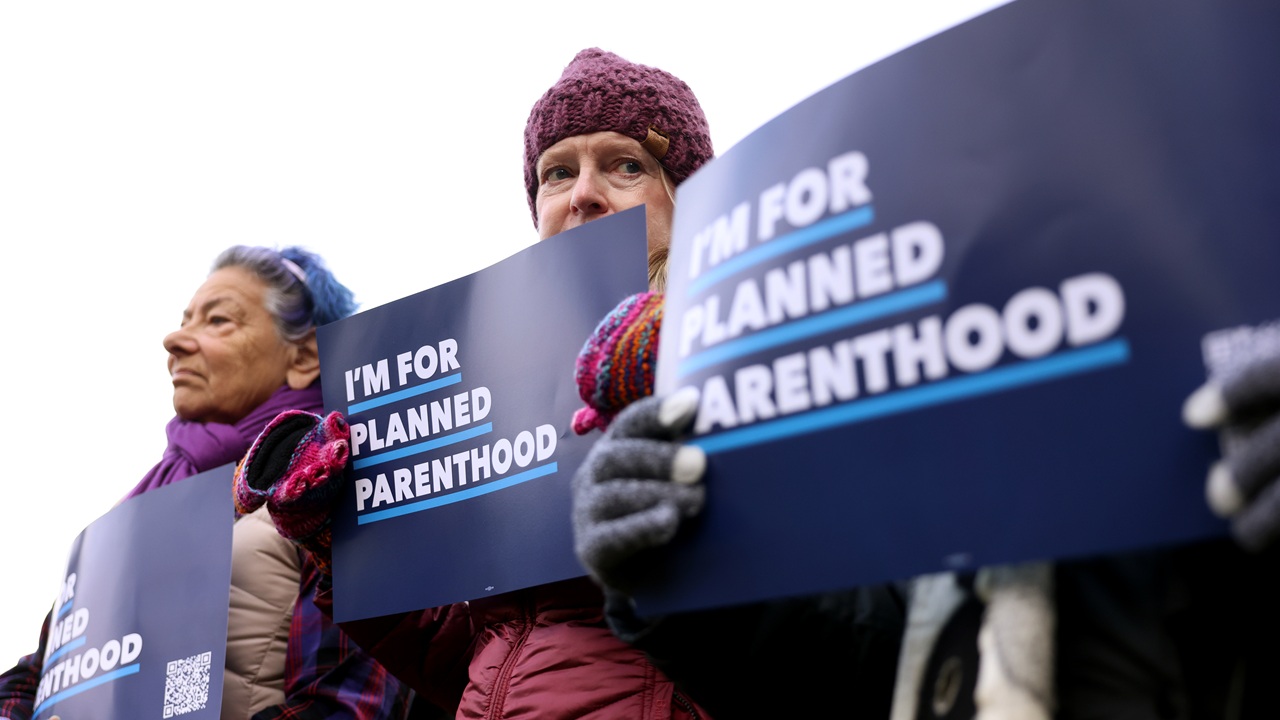
Planned Parenthood announced: “JAMA’s study finds that patients in states where abortion is banned at or before six weeks of pregnancy were less likely to be given the best standard of care medication to manage their miscarriages and more likely to face delays in treatment.”
In a brazen attempt to increase the availability of abortion, the study’s authors contend that women who experience an early miscarriage should be given the abortion pill regimen—mifepristone followed by misoprostol—to speed along the process. The authors then attack pro-life states because doctors in these states have not rapidly adopted this off-label use of a drug, mifepristone, with an FDA-approved use that is ordinarily illegal in these states.
Meanwhile, none of the three manufacturers of mifepristone—Danco Laboratories, GenBioPro, and Evita Solutions—has ever applied to the FDA to add this secondary use to the drug’s label.
Why haven’t they simply applied to change the label? Could it be that the abortion industry and its allies are motivated not so much to help women suffering from miscarriages but rather to use their pain to argue against state pro-life laws?
But the much ballyhooed “first study on abortion bans’ impact on miscarriage care” contains at least three major flaws:
First, what the authors consider evidence-based care for miscarriage is the exception rather than the rule nationwide, not only in pro-life states. “Expectant management” (a wait-and-see approach, with no surgery or drugs to hasten resolution) is the norm during first-trimester miscarriage, chosen in more than two-thirds of cases regardless of a state’s abortion laws, according to the study data.
Even in states without pro-life laws, mifepristone is used in less than a third of cases when “medication management” is chosen and in less than four percent of cases overall, according to the study data.
Second, it is effectively impossible to distinguish and analyze miscarriage outcomes apart from abortion outcomes using insurance records, especially in pro-life states, as the study authors claim to have done.
Health insurers in pro-life states cover abortion only in rare circumstances, yet every month thousands of abortion pills are illegally shipped into these states. Women seeking medical care after taking these drugs are routinely advised not to disclose their abortion attempts, and the American College of Obstetricians & Gynecologists warns health care professionals against documenting such abortions even if they are disclosed. The 123,598 miscarriages identified in the study undoubtedly include many thousands of misclassified abortions.
Third, temporarily setting aside the first two problems, the finding that state pro-life laws “were associated with a relative 13.8 percentage-point increase in misoprostol-only regimens” among those women receiving medication is highly misleading.
One might think this means that doctors in these states stopped using mifepristone ahead of misoprostol to treat miscarriages when state pro-life laws went into effect, and that’s certainly how the result is being portrayed in the media. In reality, the use of misoprostol alone in these states declined slightly, from 98.1% to 96.9% of cases in which misoprostol was used at all, according to the study data.
How can this decrease represent a 13.8 percentage-point increase? Well, it didn’t go down as much in pro-life states as it did in other states, so they say it went up. Seriously, remove all the statistical jargon, and that’s the explanation.
But that’s good enough for JAMA, which now regularly publishes pro-choice junk science. This once-prestigious outlet might as well just go ahead and officially rename itself the Journal Advocating More Abortions—but that, too, would require changing the label.
We publish a variety of perspectives. Nothing written here is to be construed as representing the views of the Daily Signal.