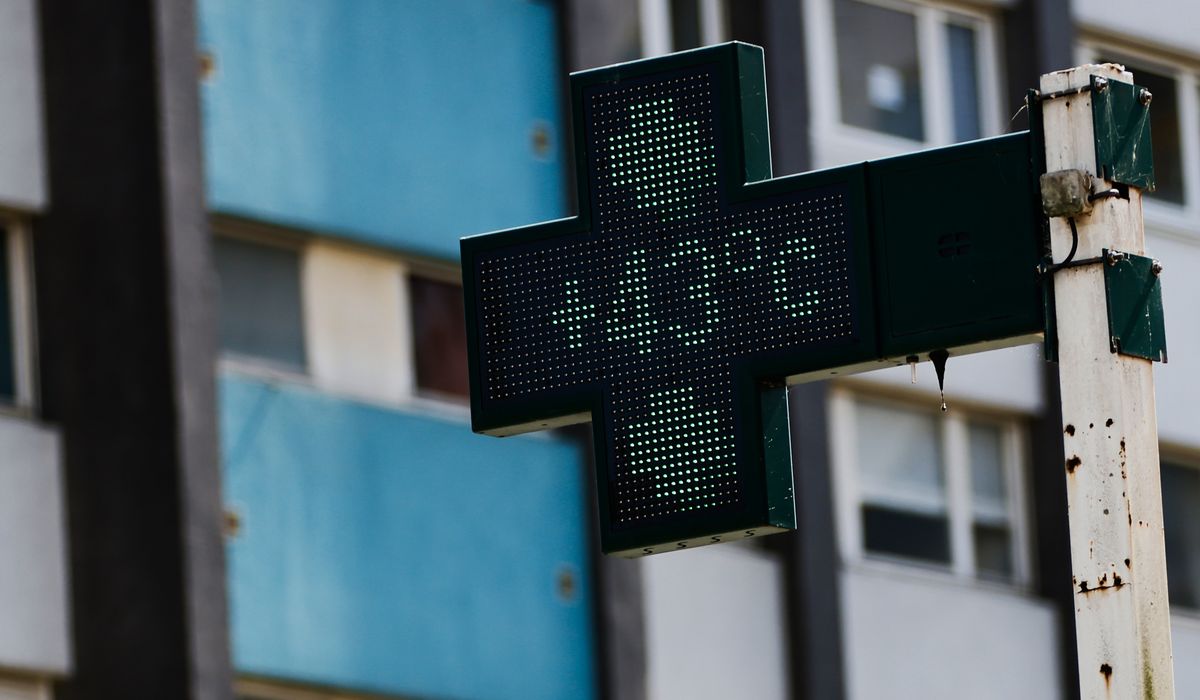
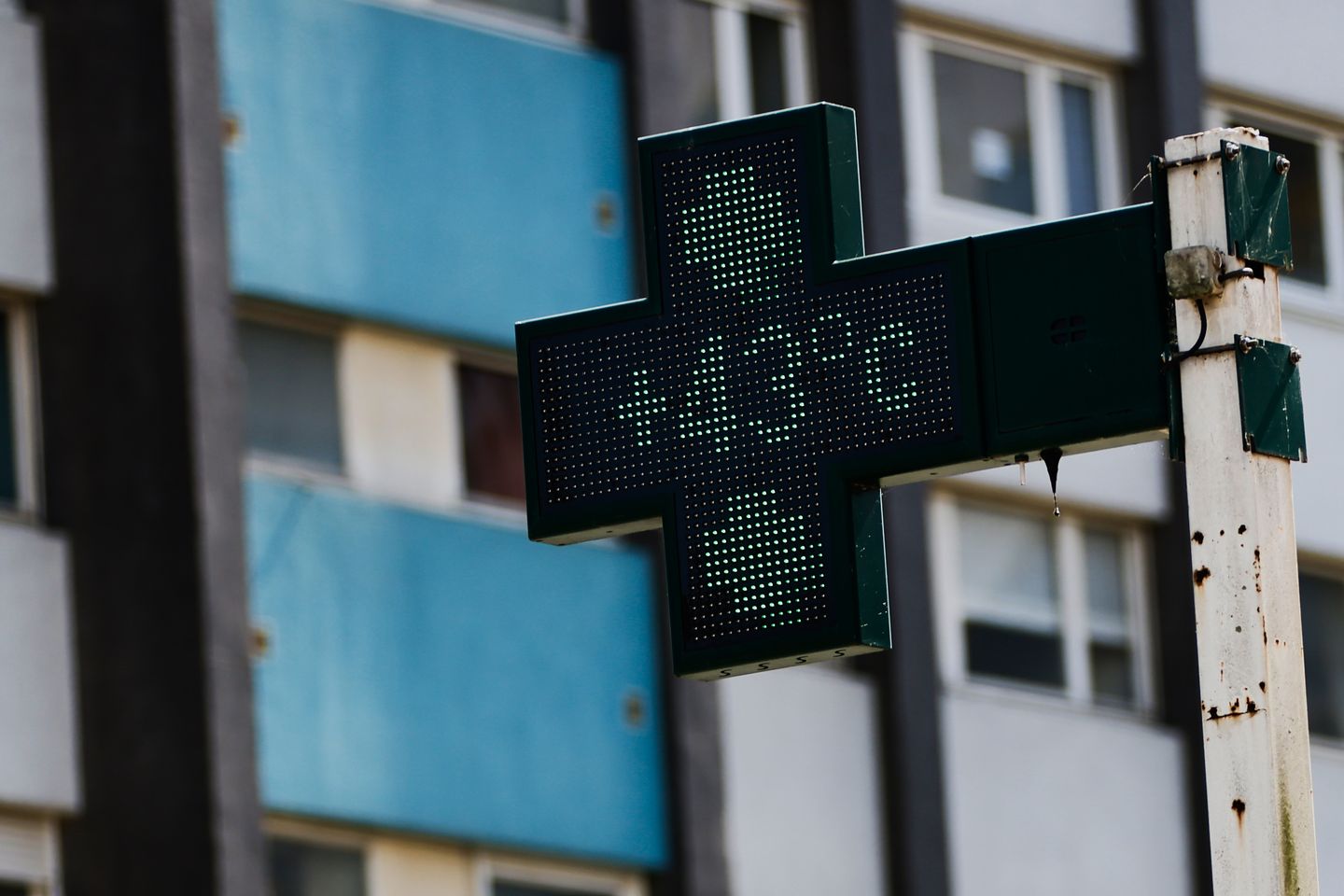
PARIS — France recorded its hottest day ever on Tuesday amid an exceptional early heat wave across Europe, the national weather agency said.
It said France’s national thermal indicator – an average of temperatures measured at 30 weather stations- hit a new record of 29.8 C (85.6 F). The previous record of 29.4°C (84.9°F) dated back to heat waves of August 2003 and July 2019.
Daytime highs above 40 degrees Celsius (104 degrees Fahrenheit) were also recorded in many individual weather stations, Meteo France said.
France has recorded 40 fatalities from drowning in the past week as people seek relief from the searing heat. The national weather service, Meteo France, placed 54 departments, about half the country, under a red heat wave alert.
The heat wave is also hitting other parts of Europe, exposing tens of millions of people to extreme high temperatures. And it’s far from over. Italy, Spain, and Britain also have been hit.
Human-caused climate change is tied to increasingly extreme weather, and U.N. climate agency projections say the next five years should shatter more heat records.
French Prime Minister Sébastien Lecornu said that the 40 people who died by drowning since last Thursday were mainly young people.
The Louvre and the Eiffel Tower close early
In a country without widespread air conditioning, schools, public transportation and sporting events have been impacted. In Paris, the Eiffel Tower adjusted its operations to the scorching weather, closing in the afternoon instead of late at night as it usually does. The Louvre museum said it would close two hours earlier than normal from Wednesday through Saturday.
“Although parts of its historic building are naturally resilient, the museum remains vulnerable and is not sufficiently adapted to climate change,” it said. “Heat buildup is greatest toward the end of the day and is further intensified by high visitor numbers.”
Extreme conditions are expected to last at least until the end of the week, with daytime highs above 40 degrees Celsius (104 degrees Fahrenheit) in many towns.
“Further record-breaking temperatures are expected, including some that could surpass all previous records, regardless of the time of year,” Meteo France said.
The heat wave is exceptionally intense, coming very early in the summer, “but with a still uncertain duration,” the weather service said. It has already been compared to the August 2003 heat wave, when the highest temperatures in over half a century caused an estimated 15,000 deaths, many of them among older people in apartments and retirement homes without air conditioning.
Europe is the world’s fastest-warming continent, with temperatures increasing twice as fast as the global average since the 1980s, according to the European Union’s Copernicus Climate Change Service. Over the last four years, more than 200,000 people across Europe died from heat-related causes, and most of those deaths were preventable, the World Health Organization’s Europe office said this month.
The above-average temperatures can cause heat exhaustion and life-threatening heat stroke.
Heat wave hits Britain and Spain
Across the English Channel from France, hundreds of British schools say they are shuttering or closing early this week because of expected record heat, while many train services have been reduced to avoid heat-related problems on the rail lines.
The Met Office, the U.K. weather agency, issued a red extreme heat warning for Wednesday and Thursday, with forecasts suggesting June’s all-time daily temperature record could be broken.
Temperatures of around 37 degrees C (98.6 F) are expected in southern England, with up to 35 C (95 F) in southeast Wales. The peak of the heat wave is now forecast for Wednesday and Thursday, when highs could reach 39 C (102.2 F) in London or southern England. Conditions are expected to ease by Friday, the Met Office said.
On Tuesday, multiple train operators across the United Kingdom, including the express train serving London Gatwick Airport, said they were canceling or reducing services this week. Railway operators urged people to “only travel if absolutely necessary” on Wednesday and Thursday.
Further south on the continent, Spain is facing a heat wave across various parts of the Iberian Peninsula.
Spain’s national weather service, Aemet, issued red alerts Tuesday for temperatures of 44 C (111 F) in southern Andalusia as well as warnings of thermometers hitting 40 C (104 F) in the normally temperate Cantabria and the Basque Country regions along its northern Atlantic coast.
Aemet meteorologist Rubén del Campo said Spain, which has experienced increasingly torrid summers of late, is only going to get hotter because of climate change as heatwaves become more frequent, longer and appear outside the traditional window of July and August.
Of the dozen heatwaves Aemet has recorded in June since it started tracking them in 1975, half have occurred since 2015, del Campo said.
Human-driven climate change is heating up the atmosphere, both above Spain and in the surrounding sea waters, he said.
Copernicus, the EU monitoring agency, found that in Europe and globally, 2024 was the hottest year on record and the continent experienced its second-highest number of “heat stress” days.
Scientists warn that climate change is exacerbating the frequency and intensity of heat and dryness, especially in southeastern Europe, making the region more vulnerable to health impacts and wildfires.
___
Associated Press journalists Sylvia Hui in London and Joseph Wilson in Barcelona, Spain, contributed to this report.