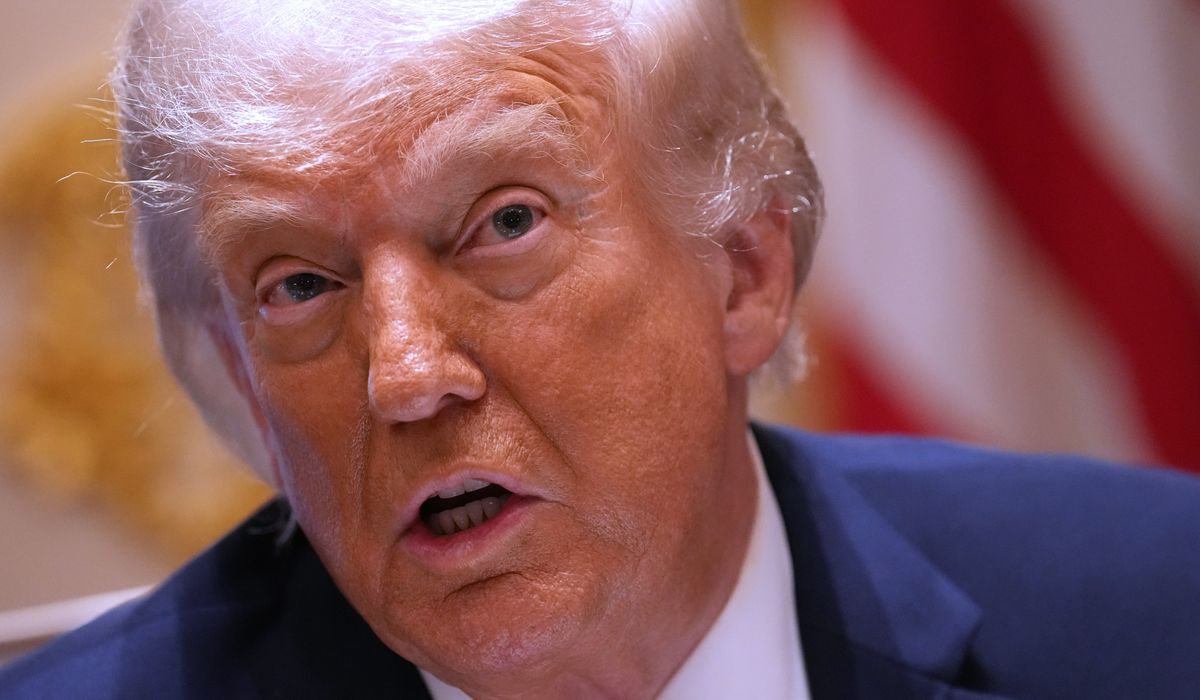
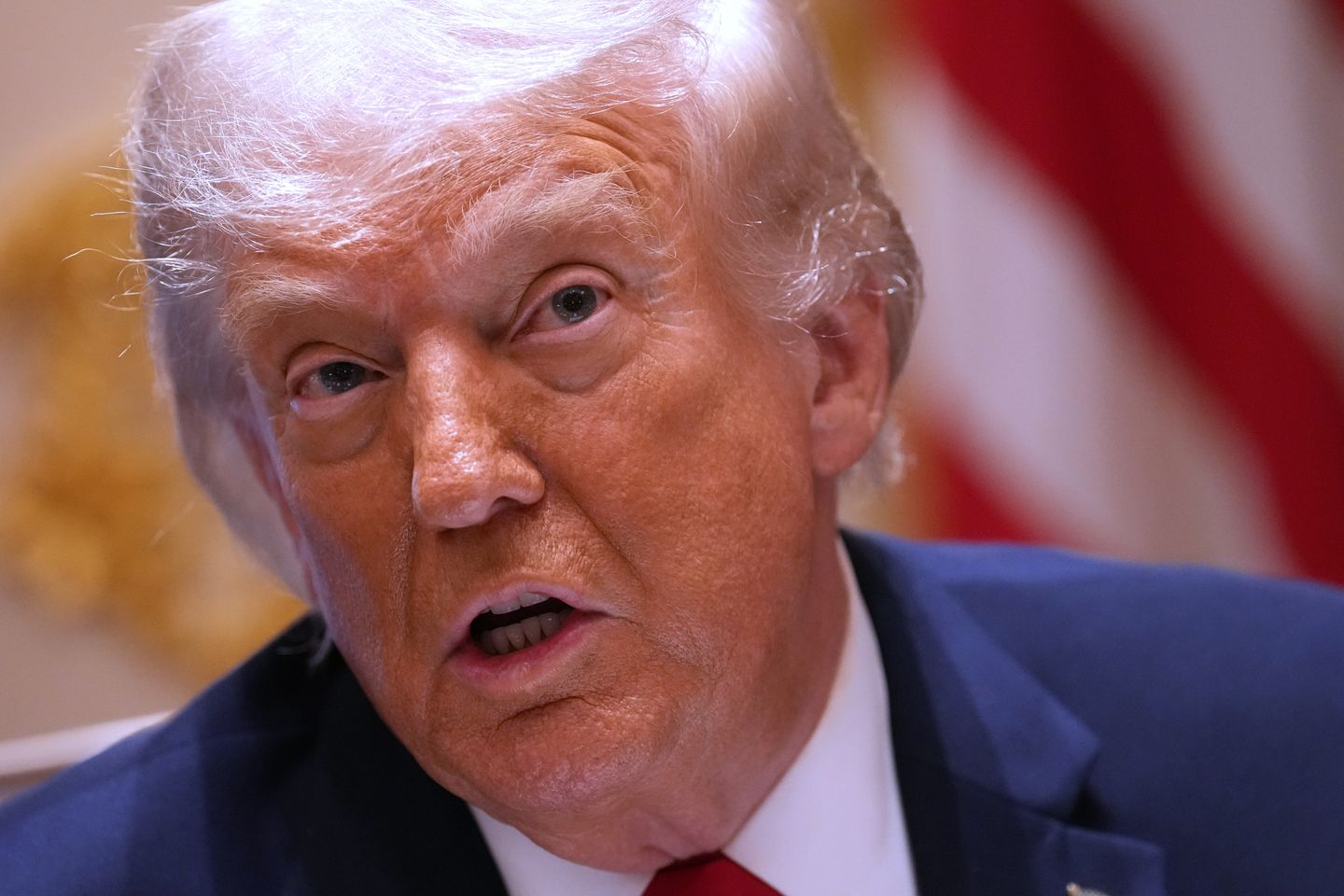
President Trump quietly signed an executive order promoting artificial intelligence and doubling down on cybersecurity efforts, less than two weeks after postponing a signing ceremony hours before it was scheduled.
A previously released draft of the mandate proposed the government’s prescreening of AI products, framed as voluntary for AI companies.
The version that was signed threads the needle: It keeps a voluntary early-access window for “covered frontier models” — AI models that meet a certain threshold of advanced cyber capability — but explicitly prohibits any interpretation that could make it a licensing or clearance requirement.
The scrapped order would have invited AI companies to voluntarily give the federal government early access, a 90-day interval, to test their anticipated releases before public launch, letting the government vet powerful new models to shore up computer networks against emerging cyberthreats.
What was signed reduces that window to 30 days — the period before developers plan to release models to other trusted partners.
The industry was reportedly concerned that the longer pre-release window could delay product timelines or prevent AI companies from sharing models with allied countries conducting their own safety testing.
Opposition to the draft has been attributed to xAI founder Elon Musk, Meta co-founder Mark Zuckerberg, and David Sacks, the former White House AI and crypto adviser.
OpenAI, however, was reported to have supported the order.
The order explicitly prohibits a mandatory governmental licensing, preclearance or permitting requirement for the development or release of new AI models.
The order is also laced with cybersecurity and national defense language rather than AI safety or oversight.
It establishes an AI cybersecurity clearinghouse in voluntary collaboration with the AI industry to coordinate and deconflict scanning for software vulnerabilities and remediate them.
It also tasks the National Security Agency and Cybersecurity and Infrastructure Security Agency with developing a classified benchmarking process to assess the cyber capabilities of frontier AI models.
Meanwhile, the order directs agencies to upgrade federal information systems within 30 days of signing.
The signed version includes one new element: a provision directing the director of the Office of Personnel Management to expand the U.S. Tech Force Information Cybersecurity Specialist hiring and placement pathways within 60 days.
Mr. Trump originally pulled the order because, in his words, “I didn’t like certain aspects of it,” adding that he was concerned it “could have been a blocker” to America’s AI lead over China.
The signing comes on the heels of Mr. Trump participating in a small, high-level Monday meeting at the White House about the executive order’s next steps, Politico reported.