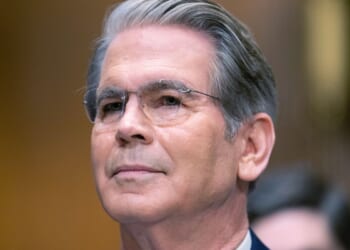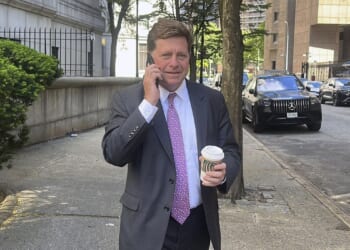
During a recent episode of his “Walk Humbly” podcast, the Bishop of Arlington, Virginia, Michael Francis Burbidge, spoke out against two proposed constitutional amendments likely appearing before Virginia voters this November, describing them as measures “from the evil one.”
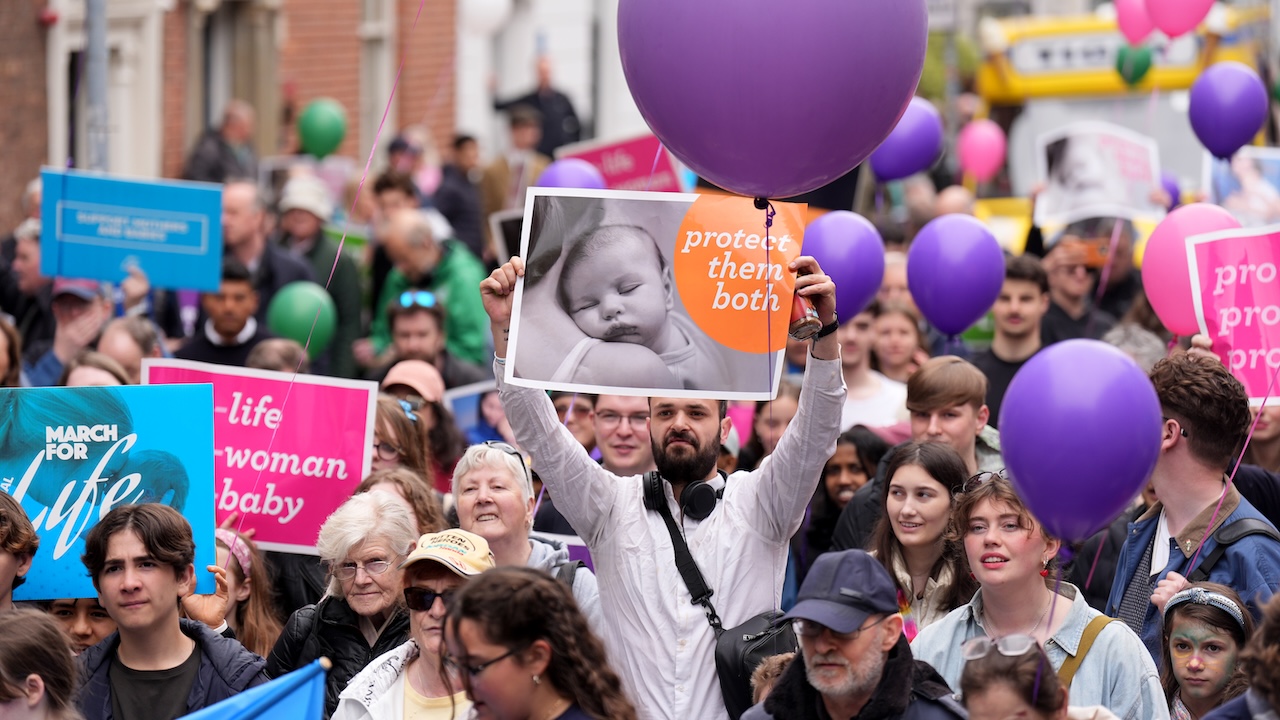
Among the constitutional amendments likely slated for Virginia’s November 2026 general election are a proposal concerning reproductive issues like abortion, contraception, and in vitro fertilization, and another concerning same-sex marriage. Burbidge framed both measures as conflicting with Catholic teaching on the sanctity of life and marriage and has long signaled opposition to both proposals.
Last January, he criticized the “extreme abortion amendment,” pledging to “be deeply engaged in the work of helping to educate voters on these proposed amendments” and to “fight the extreme abortion amendment with maximum determination.”
That proposal, the “Virginia Right to Reproductive Freedom Amendment,” would add language to the state constitution protecting “reproductive freedom,” defined as “the right to make and effectuate one’s own decisions about all matters related to one’s pregnancy.”
The amendment further provides that the state may intervene only when pursuing a “compelling interest,” defined as “maintaining or improving the health of an individual seeking care,” and only through “the least restrictive means” that does not infringe on “individuals’ autonomous decision making.”
Currently, abortion is fully legal in Virginia through the second trimester and into the third trimester under limited circumstances. Third-trimester abortions are permitted only when three physicians certify that continuing the pregnancy would pose a significant risk to the mother’s mental or physical health.
Burbidge argued the amendment would “enshrine a radical and dangerous pro-abortion culture in the Commonwealth, something far more radical than Roe v. Wade was nationally.” He added that the proposal would “essentially eliminate parental rights and allow for completely unregulated abortion on healthy babies up to birth.”
A separate amendment would repeal a 2006 provision in Virginia’s Constitution defining marriage as solely between one man and one woman. In its place, the proposal would establish marriage as “one of the vital personal rights essential to the orderly pursuit of happiness” and would prohibit the state from denying marriage licenses based on sex, gender, or race and require legal recognition of those marriages.
Though Virginia’s Constitution currently bars same-sex marriage, the provision has been moot since 2015, when the U.S. Supreme Court held in Obergefell v. Hodges that same-sex marriage is constitutionally protected under the Due Process and Equal Protection clauses of the Fourteenth Amendment.
Burbidge claimed the proposed amendment would “enshrine a false understanding of marriage” and argued that marriage is a “sacramental reality” between a man and a woman “for the unitive and procreative good of the spouses and their family.”
Virginia’s constitutional amendment process requires proposals to pass both chambers of the Virginia General Assembly via majority twice, once before and once after a legislative election, before advancing to voters in a statewide referendum. If a majority of voters approve the proposal, the constitution is amended.
After receiving initial approval from the General Assembly in 2025, lawmakers gave final legislative approval to the amendments earlier this year.
Emphasizing what he described as the high stakes of the election, Burbidge told listeners, “This may be the only election in our lifetime where you hear me, or the Church, speak directly on how to approach the ballot box.”
He continued, “God Himself knitted us together in our mother’s womb, and our Lord Himself instituted the sacrament of marriage. As faithful Catholics, we know that precisely in order to protect the right to life and to protect marriage, Catholics must vote no.”