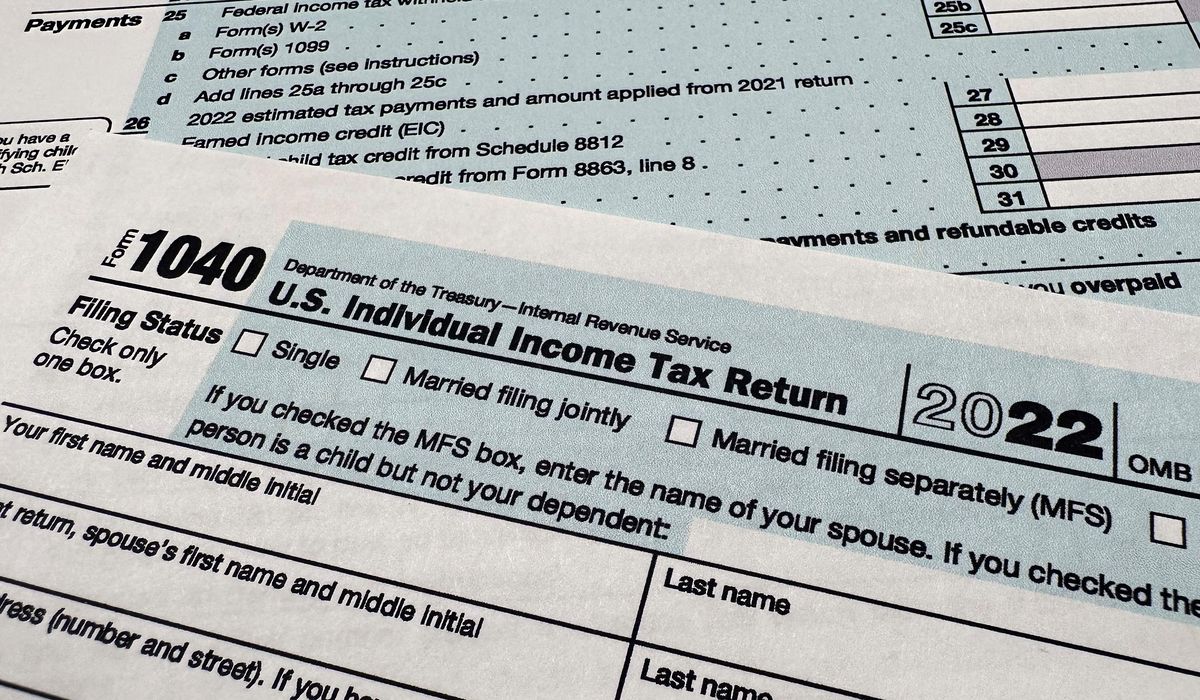
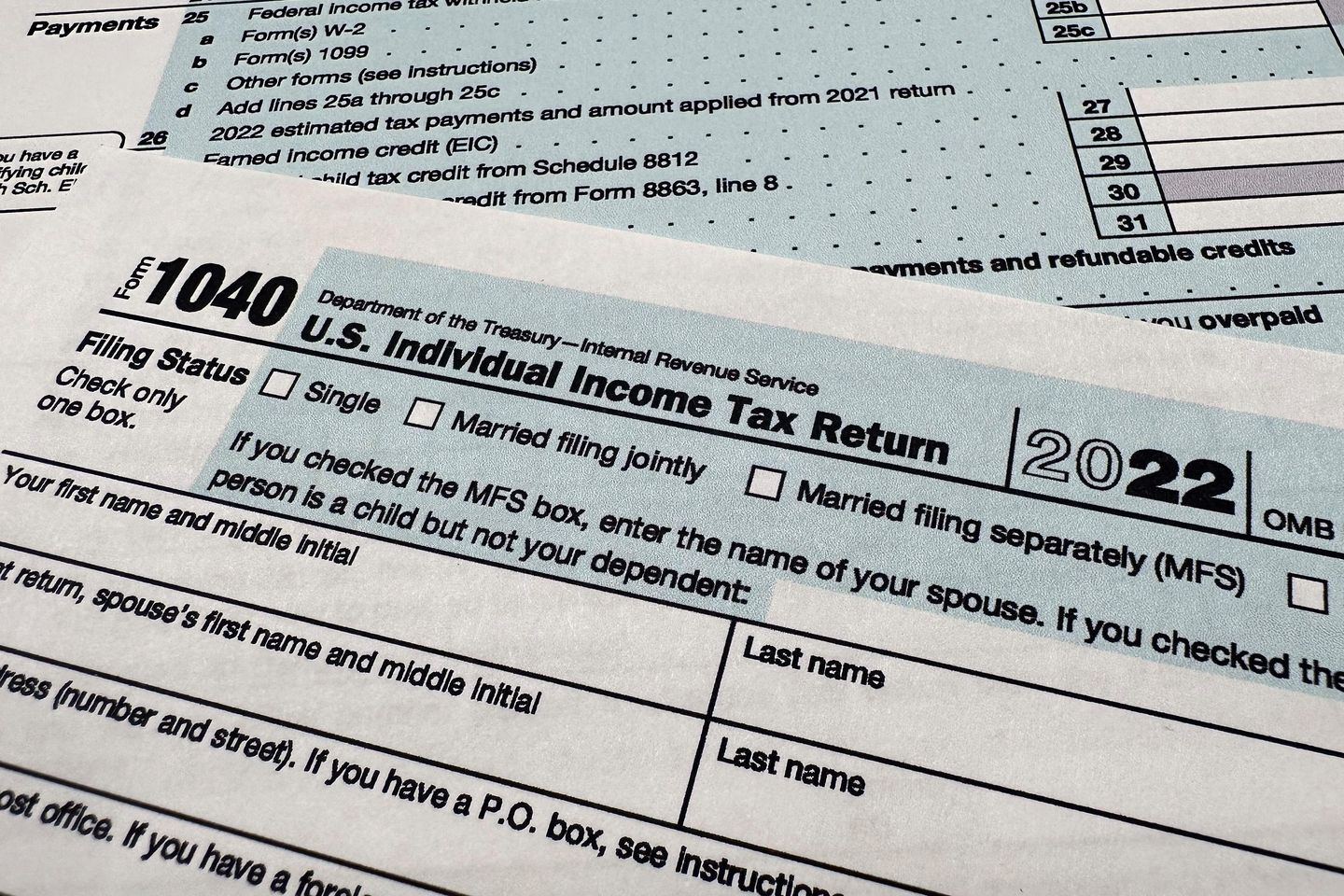
The IRS is reportedly looking into requiring taxpayers to disclose their citizenship status on next year’s tax forms.
Anonymous sources told Reuters that the IRS is weighing two versions of Form 1040, the second of which could include a checkbox labeled: “Check this box if you are a non-U.S. citizen or have dual citizenship.”
Federal law requires undocumented immigrants to file and pay taxes on their U.S.-earned income.
Demonstrating tax compliance can support a “good moral character” record and help document continuous physical presence in the U.S. — factors that immigration judges can consider when an immigrant is already eligible for relief, such as cancellation of removal.
Tax compliance alone, however, does not create eligibility for status adjustment.
Noncitizens who are ineligible for a Social Security number can use a nine-digit “individual tax identification number” to file Form 1040, used by U.S. taxpayers to file annual federal income tax returns.
The IRS is reportedly debating allowing noncitizens to file tax returns using the individual taxpayer identification number in place of a Social Security number, but it may differentiate codes to denote a filer’s immigration status, the New York Times reported.
The Treasury Department and the Department of Homeland Security have collaborated on immigration enforcement, though the partnership has drawn legal scrutiny and litigation.
The two departments signed a memorandum of understanding allowing the IRS to share sensitive taxpayer information of certain undocumented immigrants with U.S. Immigration and Customs Enforcement to assist in location and deportation efforts.
This collaboration has been repeatedly challenged in court. A federal judge blocked the data-sharing disclosures, and the IRS admitted to the court in February that it had erroneously shared the data, including the last known addresses, of more than 42,000 taxpayers with DHS.
Economic and advocacy groups warned that this data-sharing initiative could negatively impact tax compliance, as fear of exposure to immigration enforcement causes some individuals to avoid filing returns.
The Trump administration has gone beyond the tax agency to assist in its hardline deportation agenda, including clamping down on government benefits programs going to noncitizens.
Federal law generally prohibits undocumented immigrants from accessing major federal public benefits, including Social Security, Medicare, Medicaid and most subsidized housing and education programs, but noncitizens contribute to them through income, payroll and sales taxes.