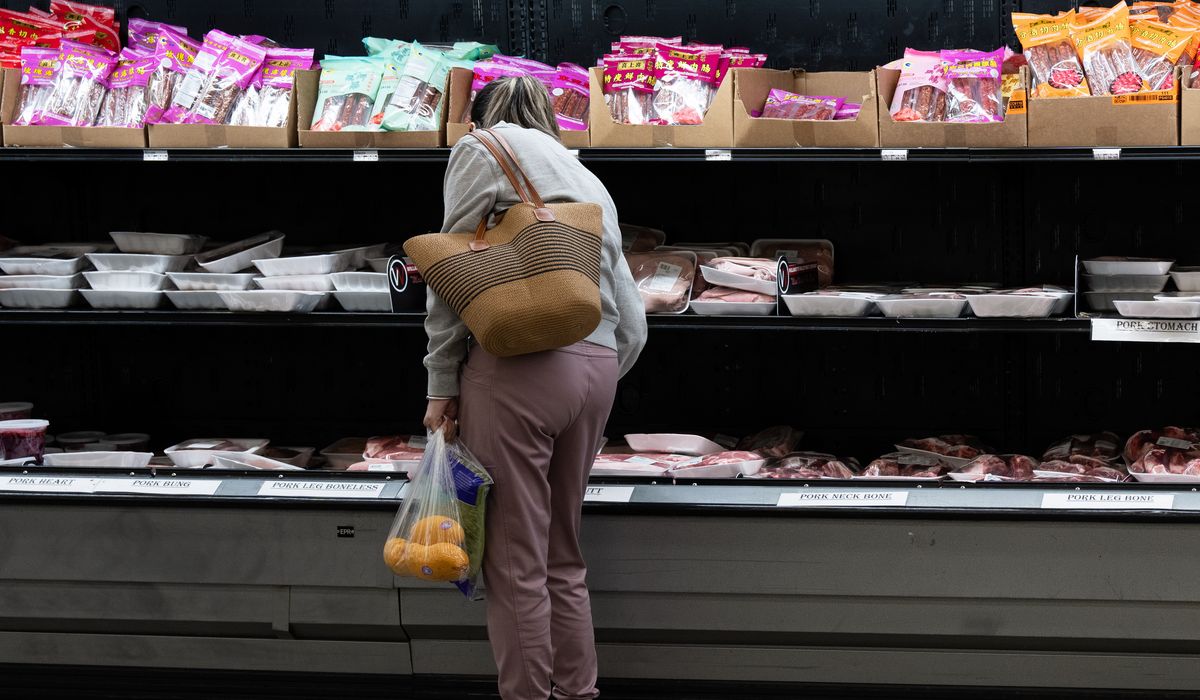
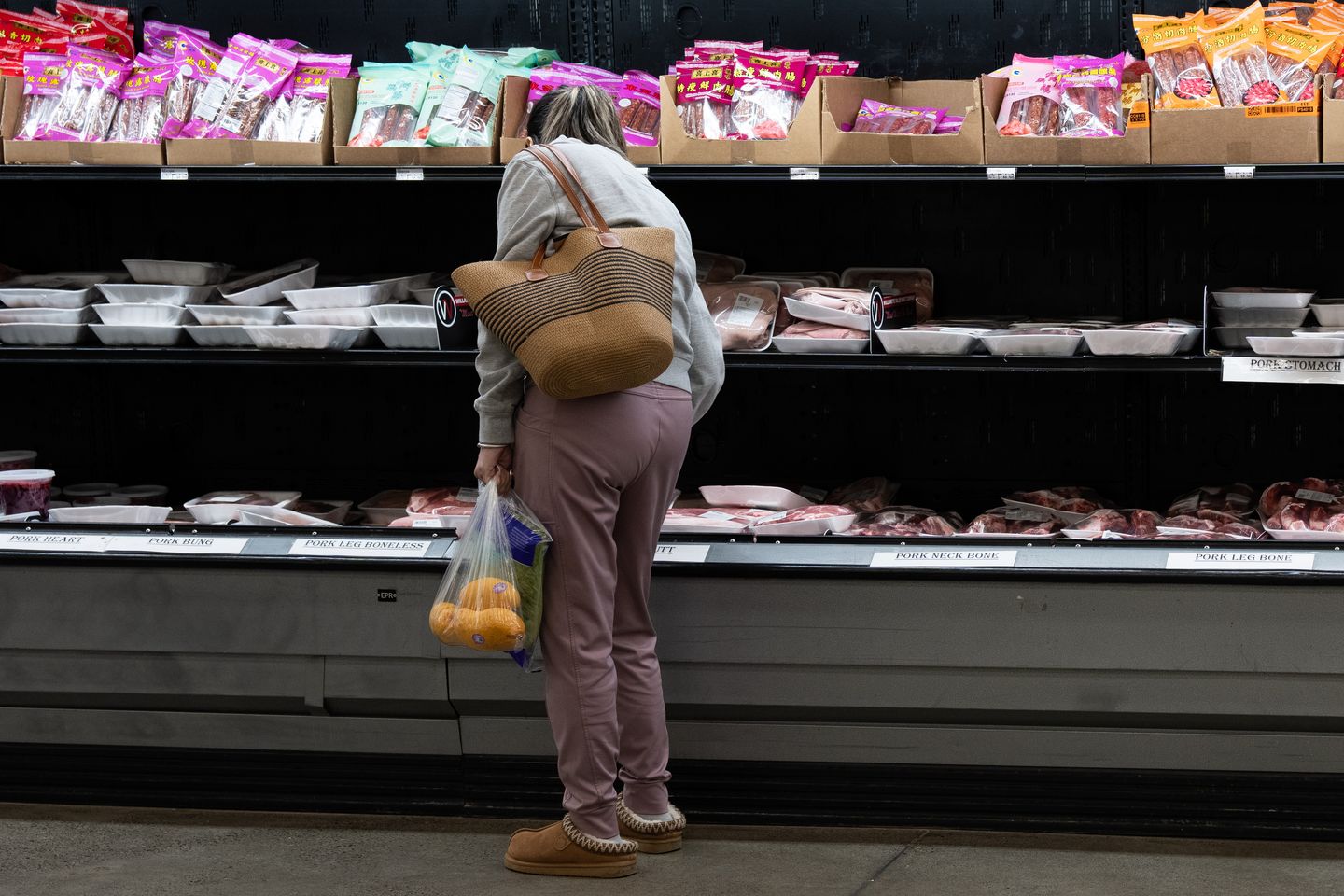
Consumer prices rose at a yearly rate of 3.8% in April, driven by high fuel costs alongside the conflict in the oil-rich Middle East.
The Bureau of Labor Statistics said energy costs accounted for 40% of the all-items increase in the Consumer Price Index, which rose 0.6% for the month.
Shelter and food prices were up, and “indexes that increased over the month include household furnishings and operations, airline fares, personal care, apparel, and education,” the bureau said. “Conversely, the indexes for new vehicles, communication and medical care were among the major indexes that decreased in April.”
CPI rose at an annual rate of 3.3% in March and 2.4% in February.
The topline annual reading of 3.8% is the highest since May 2023, when then-President Biden struggled to wrangle in prices.
Today, the U.S. war with Iran is complicating the economic picture.
President Trump authorized strikes on Iran to prevent it from obtaining a nuclear weapon, and Tehran retaliated by restricting traffic through the Strait of Hormuz, a critical choke point for oil, fertilizer and other supplies.
Democrats eyeing the midterm elections say Mr. Trump launched a costly “war of choice” without a clear strategy or exit plan. The president says short-term economic pain will be worth eliminating the threat of a nuclear-armed Iran.
“President Trump has always been clear about temporary disruptions as a result of Operation Epic Fury,” White House spokesman Kush Desai said, referring to the U.S.-Israeli joint military campaign against Iran.
He said the report showed bright spots, including decreases in drug and hospital services prices, “thanks to the President’s Most-Favored-Nation and price transparency initiatives, while trillions in investments continue to drive robust real wage growth for manufacturing and construction workers.
“The Trump administration remains laser-focused on delivering growth and affordability on the home front while working to eliminate the Iranian nuclear threat,” Mr. Desai said.
Major Wall Street indexes traded in negative territory on Tuesday as investors digested the inflation report and waited for developments in the Iran war.
Brent crude oil, an international benchmark, was trading at $107 per barrel on Tuesday compared to around $70 when the war began on Feb. 28.
The national average price of a gallon of gas stood at $4.50 on Monday, according to the AAA motor club.
Prices have inched down a bit in recent days, but remain 51% higher than when the war started.
“Whether it’s his disastrous war with Iran — which has raised gas prices by over 50% in two months — or his tariff taxes on Americans, families are suffering because of Donald Trump,” said Rep. Brendan Boyle of Pennsylvania, the top Democrat on the House Budget Committee. “Unfortunately, he only cares about building his ballroom, not bringing costs down.”
Mr. Trump said he would like to suspend the federal gas tax to alleviate costs during the war with Iran.
The federal gas tax is 18.4 cents per gallon of gasoline and 24.4 cents per gallon of diesel.
Suspending the tax requires congressional action. Some lawmakers said they are ready to act on Mr. Trump’s wishes.
The president could find a thornier situation at the Federal Reserve, where he is banking on incoming Chairman Kevin Warsh to slash interest rates.
“Energy prices are unlikely to come down anytime soon, even if the war were to end today. Damaged infrastructure will take time to rebuild, and uncertainty will cloud at least the next several months,” said Ryan Young, a senior economist at the Competitive Enterprise Institute think tank. “If the Fed was considering an interest rate cut later this year, that is now even less likely.”