Anarchists have issued a global call to take to the streets and protest on May 1 in the name of anti-authoritarian solidarity for their annual May Day event.
They have called on groups and individuals “to reinvigorate May 1st.”
The radical demonstrators say that for the past decade, uncertainty, poverty and police “democracy” are dominating too many peoples’ lives.
“Austerity for all is now simply just the way things are. Ten years of worsening conditions, now it seems that cracks are beginning to form,” the anonymous writers said in their call for action on the open publishing platform autonomies.net.
The unsigned missive described how for many years, the first day of May was an opportunity to show “global revolutionary solidarity” through anarchist actions, parades, parties and global events that would inspire them to “move forward.”
“This moment in time is not sustainable. Brutal war, climate catastrophe and failing austerity economies are shared realities for a vast majority of people,” they said, asserting that people have “lost all faith in the global social and political order. Everyone is waiting and cheering for its end.”
The message was sent out in several languages, including English, German, Spanish, Serbian Latin Script and Farsi.
The history of May Day protests goes back to the beginnings of the American labor movement.
On May 1, 1886, hundreds of thousands of American workers went on strike, demanding an 8-hour workday to replace the then-standard 10- to 16-hour shifts.
In Chicago, the movement climaxed during the Haymarket Affair on May 4. A rally turned violent when a bomb was tossed at police, resulting in deaths on both sides. Several labor leaders were executed in the fallout and became martyrs for the labor movement.
By the late 1880s and early 20th century, May Day became more closely aligned with socialist, communist, and anarchist movements all over the world. Large demonstrations were held in Europe, Latin America and Asia. In many countries, it became an official public holiday, known as International Workers’ Day.
During the Cold War, activists recognized May Day in Soviet-bloc countries as a state-sponsored display of military and industrial power, with parades in Moscow’s Red Square. In Western countries, it remained a grassroots protest day for unions and leftist movements.
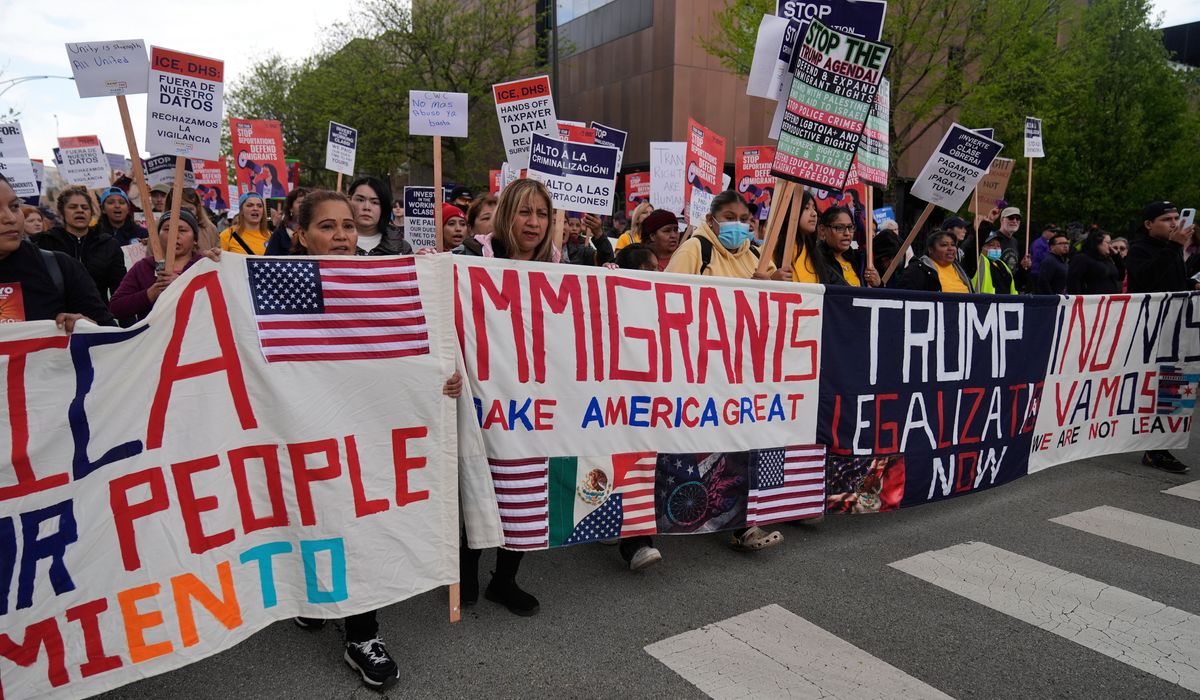
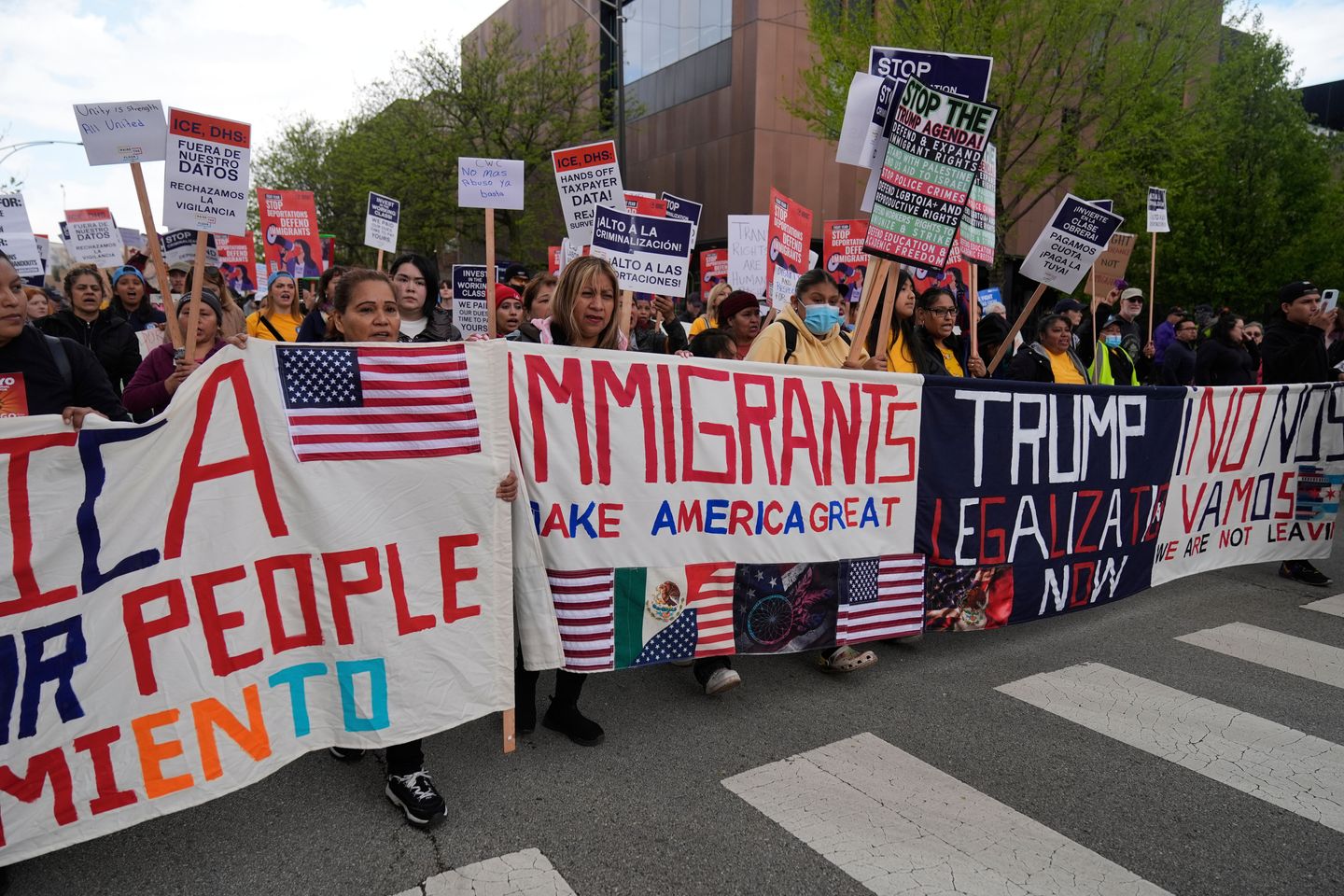
Since 2006 in the U.S., the day has generally focused on immigrant rights marches, the Occupy Movement, income inequality, police brutality, climate change and border policy.