The British Academy of Film and Television Arts on Friday released the findings of an independent investigation into a racial slur incident at its annual film awards ceremony in February, concluding the organization failed to adequately prepare for the risks of a live broadcast.
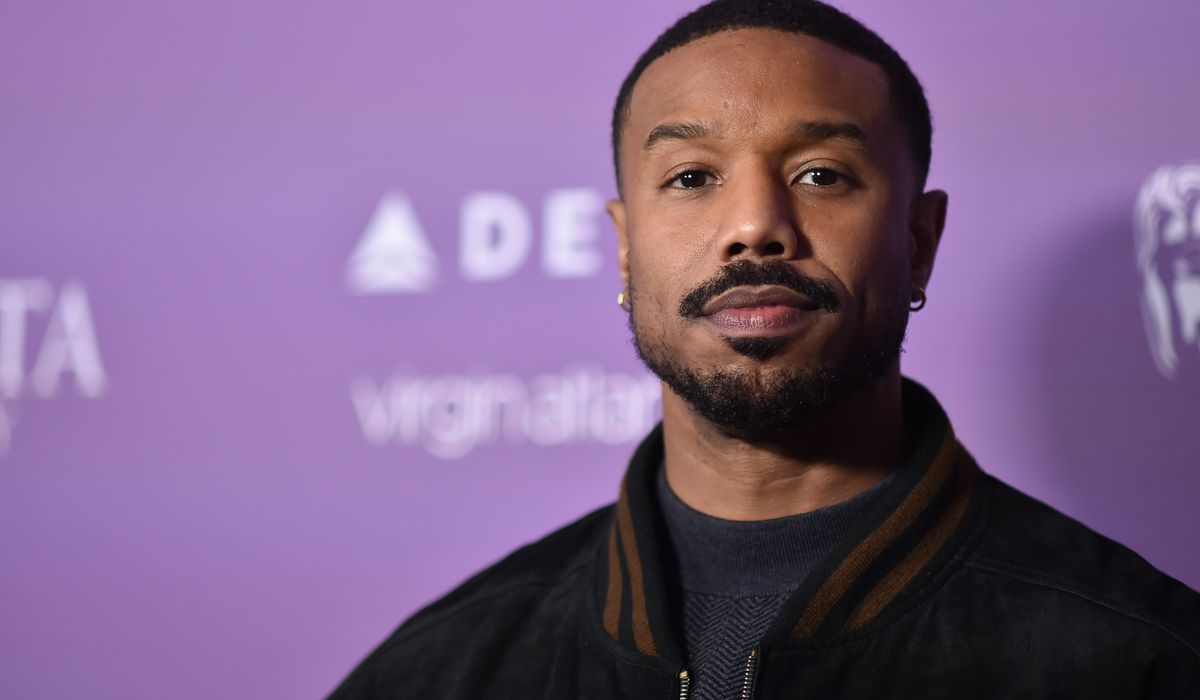
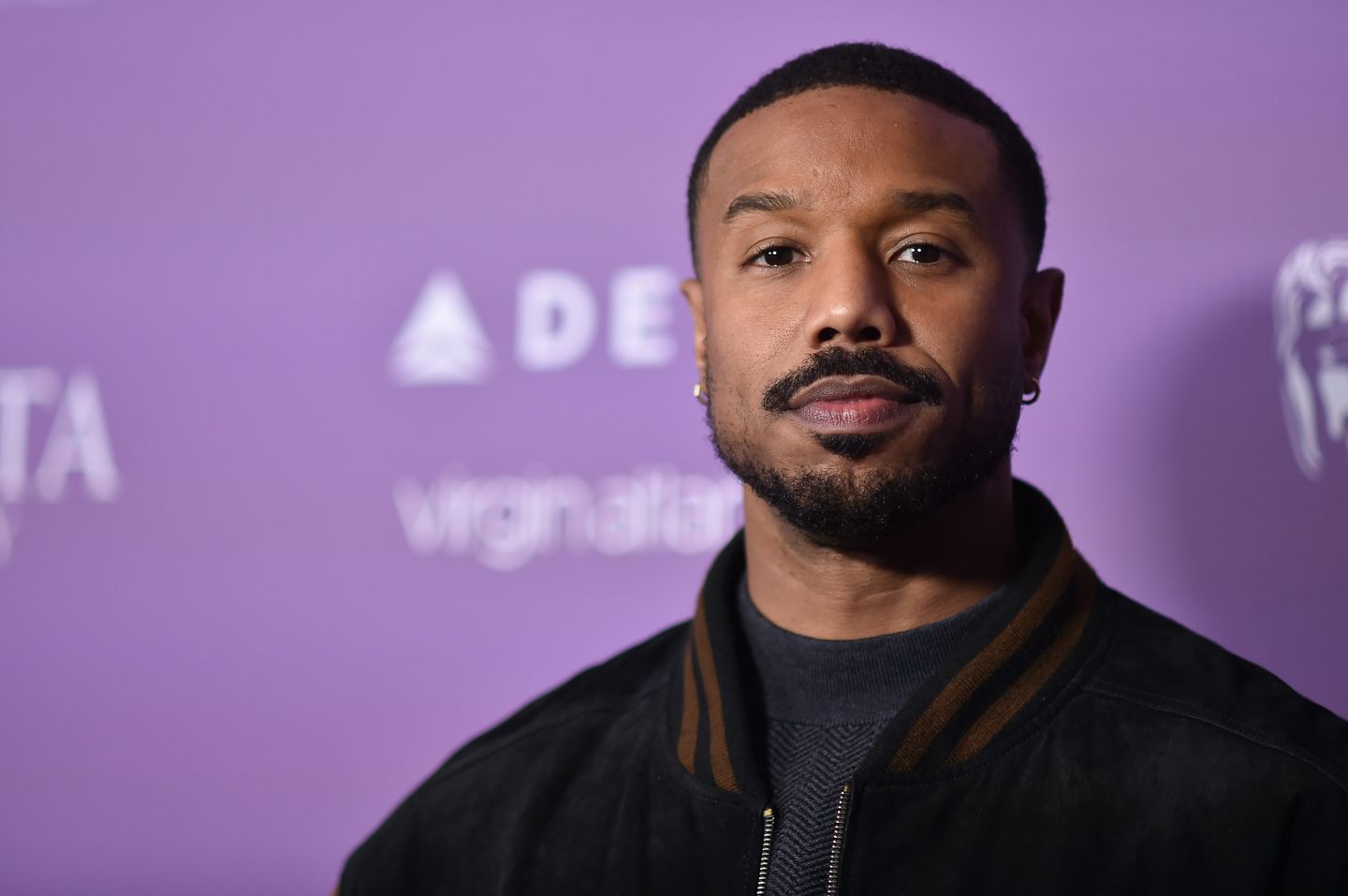
At the 79th BAFTA Film Awards on Feb. 22, disability campaigner John Davidson, who has Tourette’s syndrome, could be heard shouting a racial slur as “Sinners” stars Michael B. Jordan and Delroy Lindo presented an award — which was broadcast on the BBC with a two-hour tape delay. Mr. Davidson is an executive producer of the film “I Swear,” which is based on his life with the condition.
The BAFTA Board of Trustees said an independent review by RISE Associates identified “a number of structural weaknesses in BAFTA’s planning, escalation procedures and crisis coordination arrangements,” but did not find “evidence of malicious intent on the part of those involved in delivering the event.”
The review stated it would be “wrong to describe the event as evidence of institutional racism, as this misses an important point,” noting that the available evidence did not support that conclusion.
BAFTA said its “planning and processes have not kept pace with its diversity and inclusion goals,” adding that it “did not adequately anticipate or fully prepare for the impact of such an incident in a live event environment” and that its “duty of care to everyone at the ceremony and watching at home fell short.”
Work is already underway to implement the review’s recommended improvements, focusing on enhancing accessibility and inclusion planning, fostering a more inclusive culture, and refining event communication and command structures.
In its statement, BAFTA issued a broad apology. “We apologise unreservedly to the Black community, for whom the racist language used carries real pain, brutality, and trauma; to the disability community, including people with Tourette Syndrome, for whom this incident has led to unfair judgement, stigma, and distress; and to all our members, guests at the ceremony and those watching at home,” the board of trustees said.
The BAFTA findings follow a separate ruling from the BBC. The BBC’s executive complaints unit found the inclusion of the slur was “highly offensive” and “had no editorial justification,” representing a breach of the broadcaster’s editorial standards, though it characterized the error as unintentional. The network’s chief content officer, Kate Phillips, explained that the production team simply had not heard the slur at the time it was said, and therefore no decision was made to remove it from the broadcast.
Mr. Davidson spoke out shortly after the ceremony. In an interview with Variety published two days after the event, he said he could not “begin to explain” how upset he was and stressed that his tics “have absolutely nothing to do with what I think, feel or believe,” describing them as “an involuntary neurological misfire.”
Mr. Lindo, speaking at a BAFTA after-party the same evening, said he wished someone from BAFTA had spoken with him and Mr. Jordan afterward. Later, at the NAACP Image Awards on Feb. 28, he reflected on the incident, saying it had become “a classic case of something that could be very negative becoming very positive.”
This article was constructed with the assistance of artificial intelligence and published by a member of The Washington Times’ AI News Desk team. The contents of this report are based solely on The Washington Times’ original reporting, wire services, and/or other sources cited within the report. For more information, please read our AI policy or contact Steve Fink, Director of Artificial Intelligence, at sfink@washingtontimes.com
The Washington Times AI Ethics Newsroom Committee can be reached at aispotlight@washingtontimes.com.