A federal appeals court has struck down the nearly 158-year-old federal ban on home distilling, declaring the Reconstruction-era prohibition an unconstitutional overreach of Congress’ taxing authority.
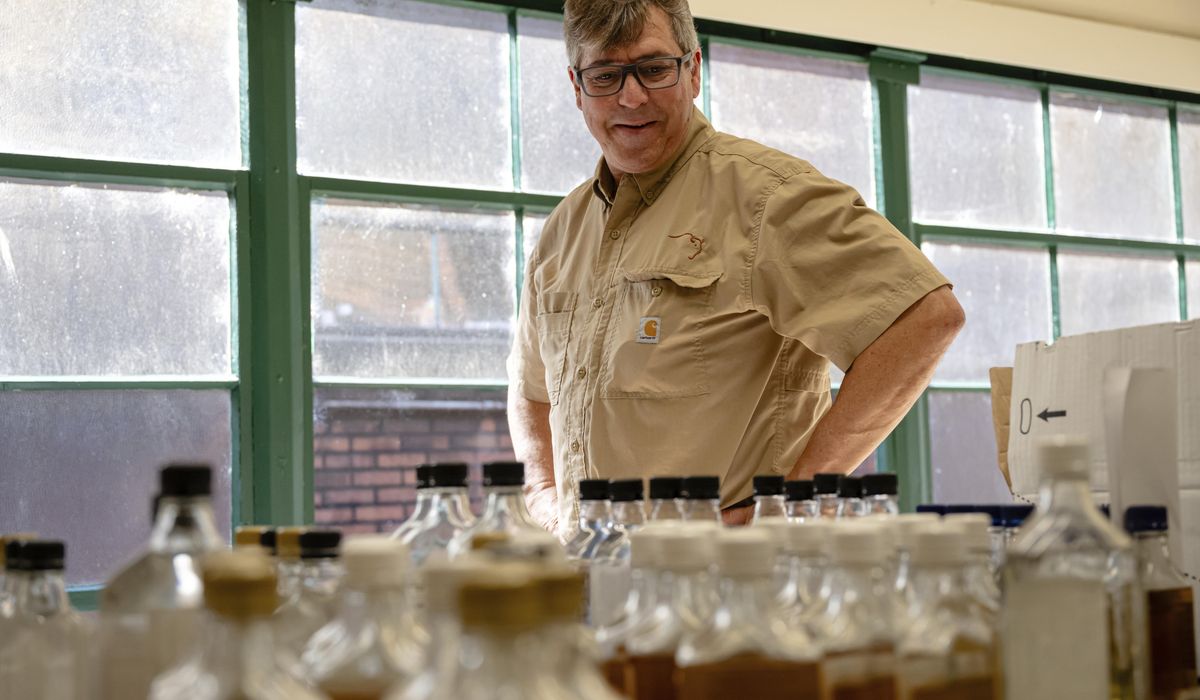
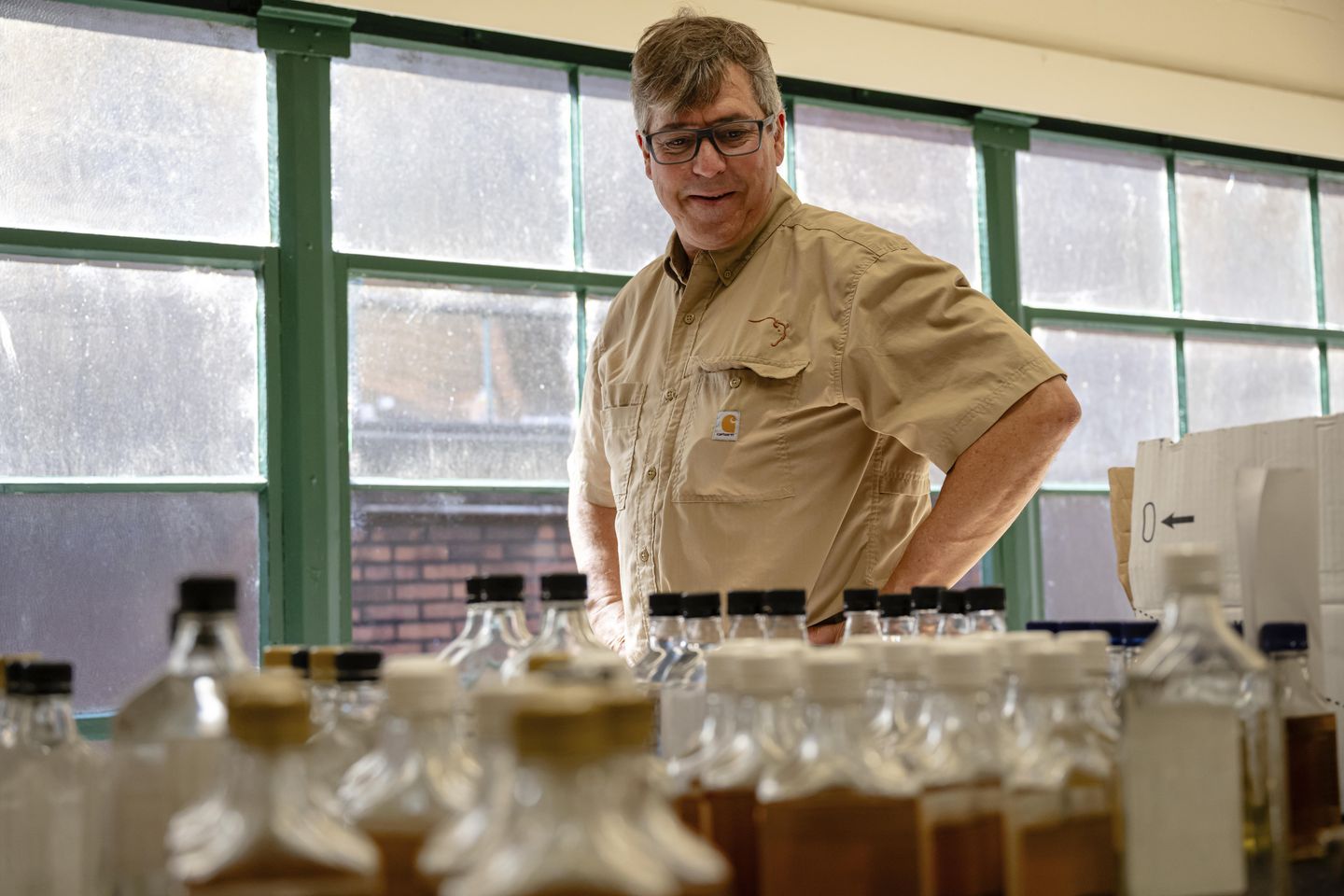
The 5th U.S. Circuit Court of Appeals in New Orleans ruled Friday in favor of the nonprofit Hobby Distillers Association and four of its 1,300 members, who argued that people should be free to distill spirits at home, whether as a hobby or for personal consumption — including, in one instance, to create an apple-pie vodka recipe.
The ban was part of a law passed during Reconstruction in July 1868, in part to thwart liquor tax evasion, and subjected violators to up to five years in prison and a $10,000 fine.
Writing for a three-judge panel, Circuit Judge Edith Hollan Jones argued that the prohibition not only failed to generate tax revenue but also overstepped federal authority by criminalizing private activities without a clear constitutional basis. Judge Jones noted that the government’s logic could theoretically allow Congress to outlaw any in-home activity, such as remote work or small businesses, that might evade taxation.
The decision upheld a July 2024 ruling by U.S. District Judge Mark Pittman in Fort Worth, Texas, who put his ruling on hold so the government could appeal.
The case was brought by the Competitive Enterprise Institute, a libertarian legal group that has long challenged the limits of federal regulatory power. The Hobby Distillers Association was founded in 2013 by Rick Morris, who had long pushed for legalization — first through lobbying, then through litigation after congressional efforts stalled. Larger commercial distillers had previously blocked legislative change, perhaps because they viewed home distillers as potential competitors.
Attorney Andrew Grossman, who argued the nonprofit’s appeal, called the decision “an important victory for individual liberty” that allows the plaintiffs to pursue their passion for distilling fine beverages at home, adding that he looks forward to sampling the results.
Devin Watkins, another lawyer for the association, called the ruling an important decision about the limits of federal power. Mr. Watkins said that if the government appeals to a higher court, his team welcomes the opportunity to clarify those limits further.
The court found that the tax code’s home distilling ban goes beyond Congress’s taxation powers and is not “necessary and proper” to carrying out that function, noting the purpose of taxation is to collect revenue and is limited to those functions.
Federal law already permits home production of beer and wine. The plaintiffs stated they are willing to pay excise taxes on home-distilled spirits, but the federal government would not grant them a permit — meaning the ban actively prevented tax collection rather than enabling it.
Neither the U.S. Department of Justice nor the Treasury Department’s Alcohol and Tobacco Tax and Trade Bureau provided immediate comment on the ruling. The government has 90 days to seek Supreme Court review if it chooses to do so.
The ruling does not immediately legalize home distilling nationwide. State laws regulating the activity remain in force, and hobbyists would still need to comply with applicable state and local requirements.
This article was constructed with the assistance of artificial intelligence and published by a member of The Washington Times’ AI News Desk team. The contents of this report are based solely on The Washington Times’ original reporting, wire services, and/or other sources cited within the report. For more information, please read our AI policy or contact Steve Fink, Director of Artificial Intelligence, at sfink@washingtontimes.com
The Washington Times AI Ethics Newsroom Committee can be reached at aispotlight@washingtontimes.com.