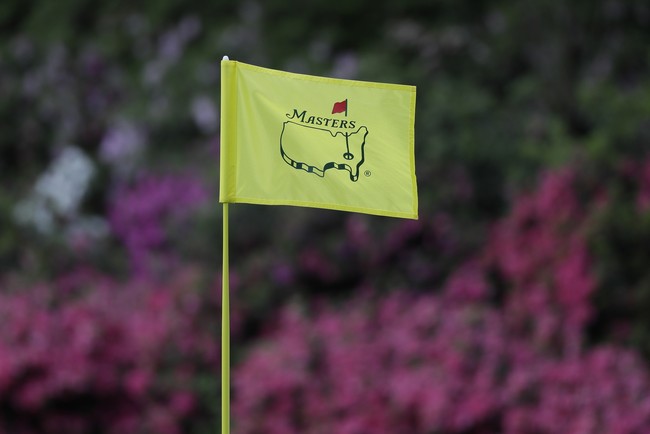
There’s no sporting event quite like The Masters. The scenery at Augusta National, the notoriously inexpensive concessions, and various other traditions make the tournament a testimony to Southern elegance.
Here’s $10. What are you getting for lunch at #TheMasters? pic.twitter.com/Uo8WqhJTjX
— 960 The Ref (@960theref) April 9, 2024
A friend of mine sent me a video with some facts and stories about The Masters and Augusta National. Some of the info I knew, like the concession prices; other stories I remembered, like Martha Burk’s campaign to get the club to admit women as members. But one fact about the tournament intrigued me: Augusta National doesn’t charge its U.S. broadcast partners.
Joe Pompliano explains at LinkedIn:
The Masters Tournament has the best business model in sports — they [sic] sacrifice $100 million annually but make way more money on the back-end.
Everyone knows Augusta intentionally keeps its concession prices low — you can buy all 27 items for $77 — so that fans have a first-class experience onsite.
But the better example is media rights.
ESPN and CBS don’t pay any money to broadcast the tournament.
Add Amazon Prime to that mix this year.
The broadcast networks invoice Augusta National for production costs, and the club forwards those invoices to sponsors (Bank of America, IBM, AT&T, and Mercedes-Benz), who pay them. These sponsors pay the networks’ production costs by airing only four minutes of commercials every hour.
What’s more unusual is that broadcast partners don’t sign multi-year contracts to broadcast The Masters. Instead, Augusta National makes those deals with handshakes every year. Augusta National does make some money off broadcasting from international networks.
Related: The Masters: Where the Food — and the Food Prices — Are Out of This World
Why leave what experts estimate to be at least $100-125 million in ad revenue off the table? It comes down to one thing: protecting the brand of the “tradition unlike any other.” To the cynic, it might sound like control, but it’s all about brand integrity.
Augusta National places some tight strictures on the language U.S. broadcasters can use. The back nine is the “second nine.” Fans are “patrons.” The rough is the “second cut.” Commentators cannot mention the brands that the golfers wear on their clothing, and they don’t talk about the prize money.
Don’t you worry: Augusta National makes plenty of money. Ticket sales and merchandise bring in the lion’s share of the income, and the revenue from the delicious and affordable food adds to the pot. International broadcasting fees bring in more cash. Augusta National is notoriously tight-lipped about its finances, but it does okay, thank you very much.
There are benefits for the broadcasting partners as well. The networks benefit from the prestige of The Masters, and CBS executives get to play the immaculately manicured course the Monday after the tournament, where they make deals with advertisers for other events and shows.
That’s what makes The Masters such a fascinating outlier in modern sports. Augusta National understands that some things are worth more when they’re less commercial. By protecting the experience for patrons, limiting the commercial clutter, and keeping a firm hand on how domestic broadcasters present the tournament, the club has managed to preserve an atmosphere that feels almost foreign in 2026: tasteful, disciplined, and unapologetically traditional.
In a culture that too often rewards hype over substance, PJ Media VIP is for readers who still value truth, clarity, and a little backbone. Become a VIP today for exclusive content and deeper analysis, and get 60% off with the promo code FIGHT.