Two of Antarctica’s most iconic species have been elevated to endangered status as climate change strips away the sea ice and food supplies they depend on to survive, according to a new assessment published Thursday by the International Union for Conservation of Nature.
The IUCN’s Red List, an authoritative global census of species at risk of extinction, upgraded both emperor penguins and Antarctic fur seals from lower-concern classifications to endangered. Southern elephant seals were separately moved to vulnerable status, largely due to devastating losses from avian influenza.
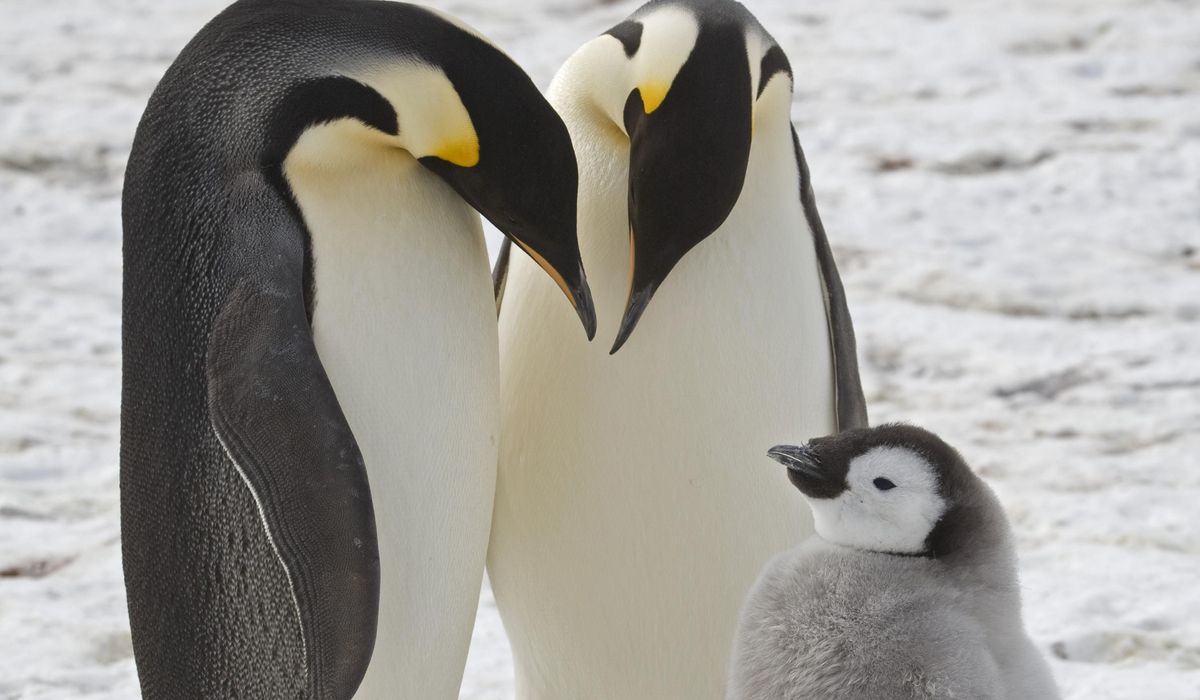
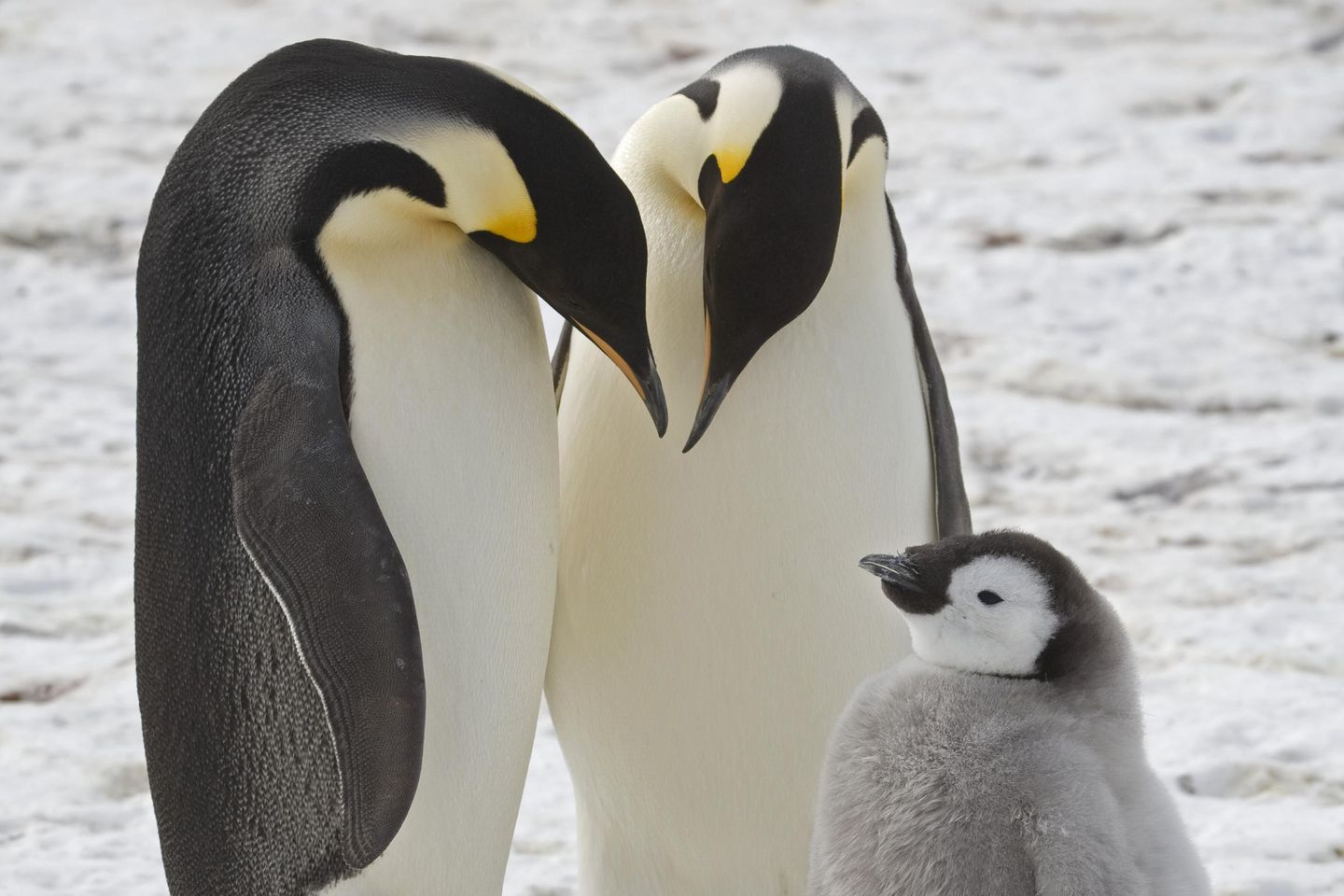
Emperor penguins, the largest of all penguin species, were previously listed as near-threatened. Their new endangered designation is based on projections that the population will be cut in half by the 2080s, driven primarily by the rapid loss of sea ice across Antarctica.
Satellite imagery of all 66 known emperor breeding colonies, all located in Antarctica, showed an overall population decline of nearly 10% between 2009 and 2018, a loss of more than 20,000 adult birds. A separate study found that seven colonies in the Ross Sea declined by 32% between 2020 and 2024. Antarctic sea ice has hit record-low levels since 2016, and the consequences for breeding colonies have been severe.
Dana Bergstrom of the University of Wollongong said approximately half of the more than 60 known emperor colonies along the Antarctic coastline have experienced increased or complete breeding failures since 2016, primarily due to early loss of fast ice, with 16 colonies suffering two or more such events.
“For emperor penguins, sea ice is their primary habitat,” said Dr. Philip Trathan, a researcher at the British Antarctic Survey and member of the IUCN Species Survival Commission who worked on the assessment. “They breed on fast ice. They molt on fast ice or on ice floes. They feed within the sea ice in polynyas, leads and cracks in the ice.”
The birds rely on sea ice not only for breeding grounds but also for protection during their annual molt, when they temporarily lose their waterproofing and insulation. Without a rapid reduction in greenhouse gas emissions, Dr. Trathan said, the species cannot survive. In the interim, he said protecting the areas where emperor penguins breed, molt and forage could help sustain remaining populations.
The emperor penguin was listed as “threatened” under the U.S. Endangered Species Act in 2022, a separate classification from the IUCN Red List.
The Antarctic fur seal’s trajectory offers a cautionary tale about the speed at which climate-driven collapse can unfold. Once nearly wiped out by commercial hunting in the 19th century, the species rebounded strongly after a hunting ban was adopted in 1972, eventually reaching a conservation status of least concern.
The IUCN’s assessment found the population has fallen from an estimated 2,187,000 adults in 1999 to 944,000 in 2025, a decline of more than 50%, and moved the species directly to endangered.
The primary driver is the disruption of krill availability, particularly around South Georgia, a sub-Antarctic island that serves as a critical breeding ground. As surface water temperatures rise, krill are moving deeper and farther offshore in search of colder water, placing them out of reach for land-based predators like nursing female seals. Krill shortages there have sharply reduced pup survival in the first year, leading to an ageing breeding population.
“This makes the krill much less accessible to land-based krill predators,” said Dr. Kit Kovacs, a marine mammal researcher at the Norwegian Polar Institute who leads the IUCN seal project.
Jaume Forcada, a marine mammal scientist at the British Antarctic Survey who contributed to the assessment, said the krill distribution shifts are “unlikely to be reversible” without swift action to reduce greenhouse gas emissions. Additional pressures — including commercial krill fishing, competition from recovering whale populations, plastic pollution and disease — may compound the decline, though researchers said the data to precisely measure those factors remains limited.
A broader pattern
Dr. Kovacs framed Thursday’s Antarctic listings as a significant milestone for the region. For Antarctic species specifically, she said the new Red List updates represent what she described as the first clear evidence of climate change’s influence emerging in a major way — a pattern she noted already well documented among seal species in the North Atlantic Arctic, where hooded seals, harp seals and ringed seals have entered serious decline.
“Everyone talks about one issue at a time,” Dr. Kovacs said. “But many are impinging on animals at the same time, and many are related to climate change.”
This article was constructed with the assistance of artificial intelligence and published by a member of The Washington Times’ AI News Desk team. The contents of this report are based solely on The Washington Times’ original reporting, wire services, and/or other sources cited within the report. For more information, please read our AI policy or contact Steve Fink, Director of Artificial Intelligence, at sfink@washingtontimes.com
The Washington Times AI Ethics Newsroom Committee can be reached at aispotlight@washingtontimes.com.