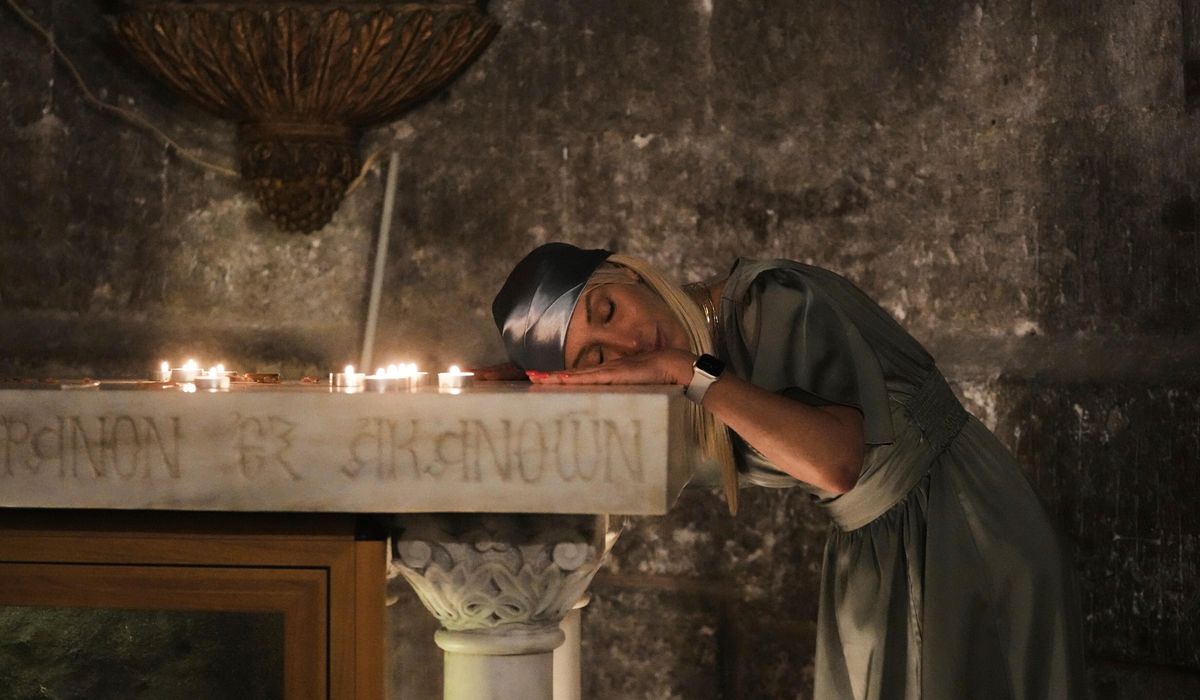
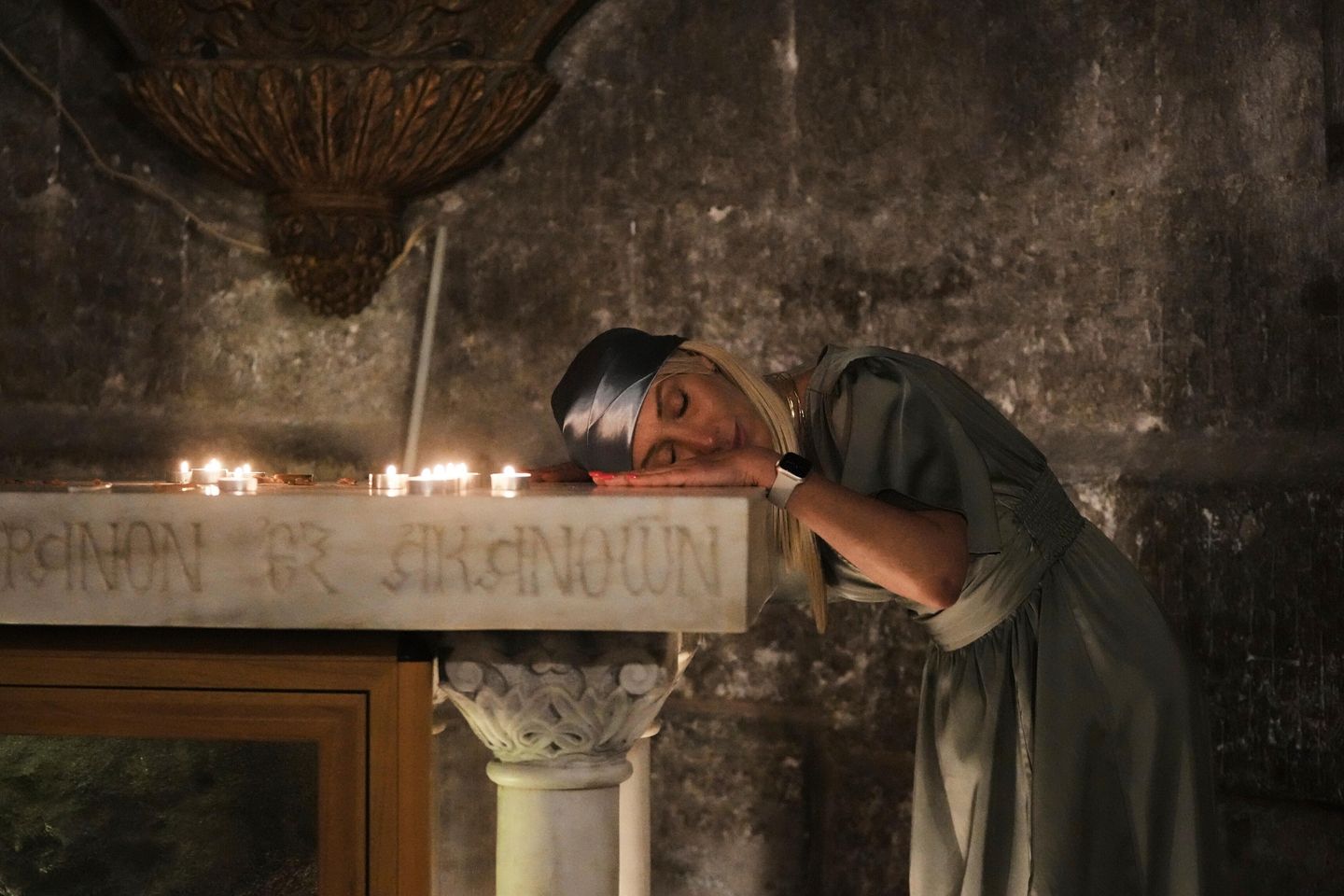
Worshippers returned Thursday to Jerusalem’s holiest sites for the first time in over six weeks after Israeli authorities lifted restrictions on public gatherings that had been in place throughout the war with Iran.
Israeli police announced the decision after the Home Front Command relaxed its wartime guidelines following a two-week ceasefire declared Tuesday between the United States and Iran. Hundreds of officers, Border Police personnel and volunteers were deployed throughout the Old City to ensure orderly access.
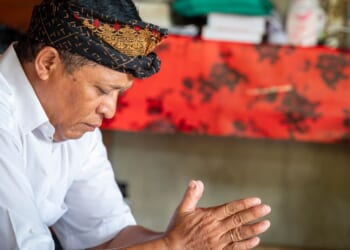
The Al-Aqsa Mosque compound, closed for much of the holy month of Ramadan and the Eid al-Fitr holiday, reopened with dawn prayer Thursday, according to Jerusalem’s Islamic Waqf, the Jordanian religious authority that administers the compound. At the adjacent Western Wall, the holiest accessible site for Jewish prayer, dozens of men and women were seen bowing their heads in prayer.
The closures were originally announced Feb. 28 and immediately followed combined U.S.-Israeli strikes on Iran. Iranian missile fragments struck the Church of the Holy Sepulchre compound, the Israeli Foreign Ministry alleged in March, and another missile struck near the Temple Mount. Access had been prohibited entirely, or restricted to a few dozen faithful at a time, at Christian, Jewish and Muslim sites during the conflict, when missile attacks from Iran routinely sent Jerusalem residents to shelters.
The restrictions fell across the last days of Ramadan, the entirety of Holy Week and the Jewish Passover, drawing widespread criticism. Backlash intensified last month when Israeli police barred Cardinal Pierbattista Pizzaballa, the Latin Patriarch of Jerusalem, from celebrating Palm Sunday Mass at the Church of the Holy Sepulchre — the first time Catholic leaders had been prevented from doing so in centuries. Prime Minister Benjamin Netanyahu’s office quickly reversed course, issuing a statement that allowed church leaders to return for the remainder of Holy Week. Mr. Netanyahu said there was no “malicious intent” and that the cardinal had been barred for safety reasons.
On Thursday, worshippers were emotional upon returning.
“It is as if human beings are reborn,” said Mohammed Al-Qassas. “It’s impossible to describe this feeling … It was one of the most happiest moments in my life,” said Biljana Vaslic, a tourist from Serbia who had been unable to enter the church until now.
Not all reacted with unqualified celebration. Omar al-Kiswani, director of the mosque, suggested the war had been used as justification to restrict access. “This is a grace from God after 40 days of using the war as a pretext,” he said.
The reopening comes just in time for Orthodox Christians, who celebrate Easter on Sunday, a week after Catholic and Protestant observances, and ahead of the centuries-old Holy Fire ceremony associated with it. On Saturday, thousands of Christians are expected to pack into the Church of the Holy Sepulchre holding unlit candles as the Greek patriarch lights a flame that is then passed from candle to candle throughout the basilica.
The two-week ceasefire, mediated by Pakistan, remains fragile. Iran’s parliament speaker has alleged that three clauses of Tehran’s 10-point negotiating framework were violated before talks have even begun, citing continued Israeli strikes on Lebanon. Israel and the United States maintain that Lebanon was not included in the ceasefire agreement. Peace talks between U.S. and Iranian negotiators are set to begin Saturday in Islamabad, with Vice President J.D. Vance leading the American delegation alongside special envoy Steve Witkoff and Jared Kushner, the White House confirmed.
This article was constructed with the assistance of artificial intelligence and published by a member of The Washington Times’ AI News Desk team. The contents of this report are based solely on The Washington Times’ original reporting, wire services, and/or other sources cited within the report. For more information, please read our AI policy or contact Steve Fink, Director of Artificial Intelligence, at sfink@washingtontimes.com
The Washington Times AI Ethics Newsroom Committee can be reached at aispotlight@washingtontimes.com.