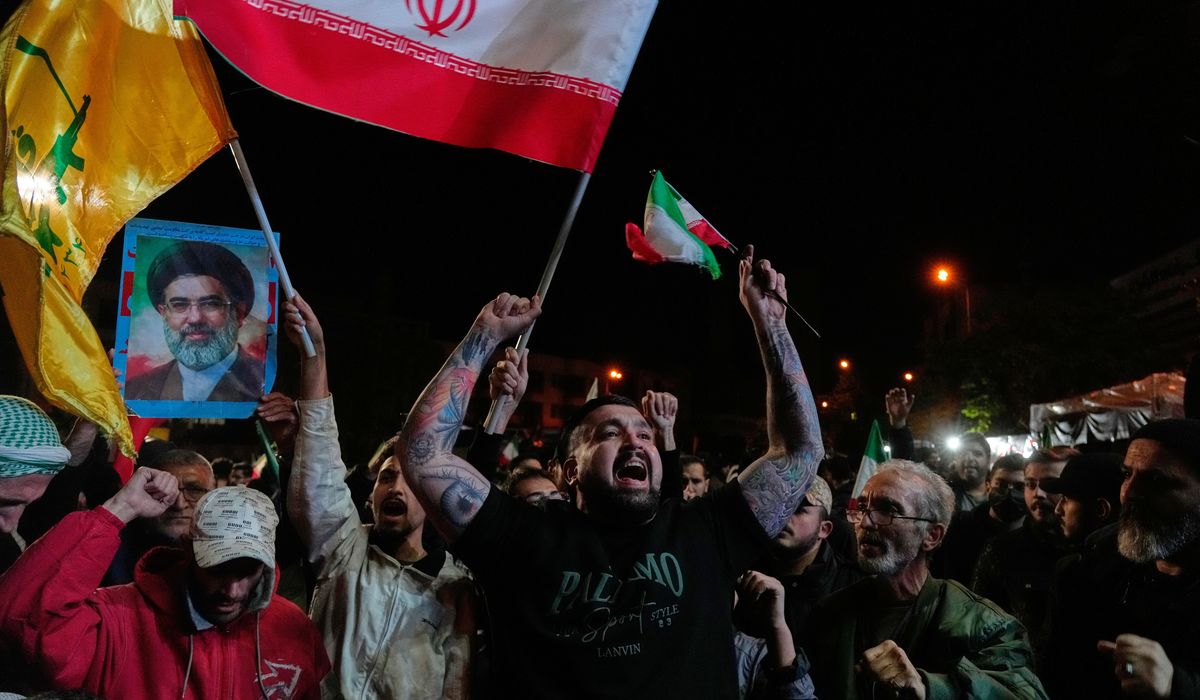
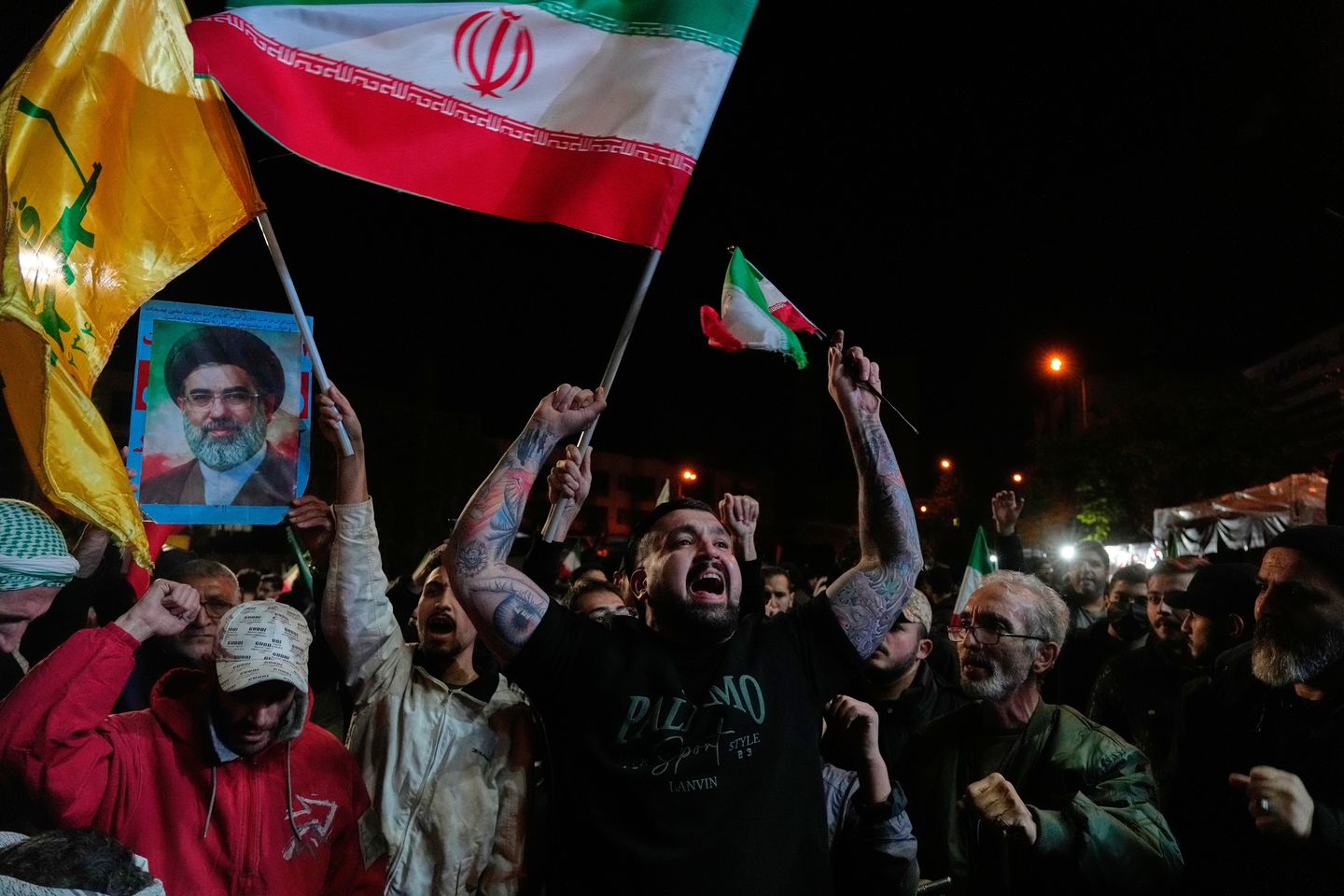
Iran on Wednesday released a 10-point framework for peace negotiations with Washington that includes extreme demands that are difficult to square with U.S. objectives.
Nour News, an Iranian outlet affiliated with the country’s Supreme National Security Council, published the list of 10 demands on Wednesday morning, just hours after the U.S. and Iran announced a two-week ceasefire to hammer out a comprehensive end to the war.
The Iranians demanded:
• A U.S. commitment to ensure no further acts of aggression.
• Continued Iranian control of the Strait of Hormuz.
• Acceptance of Iran’s nuclear enrichment rights.
SEE ALSO: White House hails ‘swift and successful’ military campaign against Iran, turns to negotiation phase
• Lifting of all primary sanctions on Iran.
• Lifting of all secondary sanctions on foreign entities doing business with Iran.
• Termination of all U.N. Security Council resolutions targeting Iran.
• Termination of all International Atomic Energy Agency resolutions against Iran.
• Payment of reparations for damage done in the war.
• Withdrawal of U.S. combat forces from the region.
SEE ALSO: Gas prices could start falling within days, but ceasefire wild cards remain
• Cessation of hostilities on all fronts, including Lebanon
The proposal appears to be slightly different from the one that President Trump on Tuesday deemed a “workable” framework for diplomatic talks. The Persian language version of the proposal, circulated by Nour News and other outlets, included the reparations and uranium enrichment demands, but English language versions left them out.
Reports on Wednesday indicated that the White House is aware of the discrepancy, with Mr. Trump writing on Truth Social that there is only “one group of meaningful ’POINTS’” within the demands that will be discussed in negotiations in the coming days.
“These are the POINTS that are the basis on which we agreed to a CEASEFIRE. It is something that is reasonable, and can easily be dispensed with,” he added.
The White House has not confirmed any details about the list that gave Mr. Trump confidence in a ceasefire with Iran.
Many of Iran’s demands run counter to some of Washington’s primary objectives in launching strikes against Iran, namely recognizing Iran’s legal right to enrich uranium and allowing Iran to retain control over the Strait of Hormuz.
The U.S. had sent a 15-point framework, via Pakistani intermediaries, to Iran last month that included demands that Iran dismantle its nuclear program and stop supporting proxy organizations like the Houthis and Hezbollah.
Iran has kept the strait closed for nearly a month in reaction to U.S. and Israeli strikes, which began on Feb 28. The move has sent shockwaves through global energy markets, as at least 20% of the world’s oil passes through the waterway each year. Brent crude hovered around $110 a barrel for days before the ceasefire announcement, then fell to approximately $95.
Under the terms of the two-week ceasefire, Iran will allow ships to safely transit the strait under its military supervision.
However, who will control the Strait of Hormuz after the ceasefire expires remains unclear. Iran has moved to create a legal framework for its total control over the waterway and impose a $2 million fee for tankers to pass through.
While U.S. and international leaders have ruled out the emergence of such a system, Mr. Trump on Wednesday said he is considering a “joint venture” in which the U.S. and Iran charge tolls for ships transiting the Strait of Hormuz.
• Thomas Howell Jr. contributed to this story.