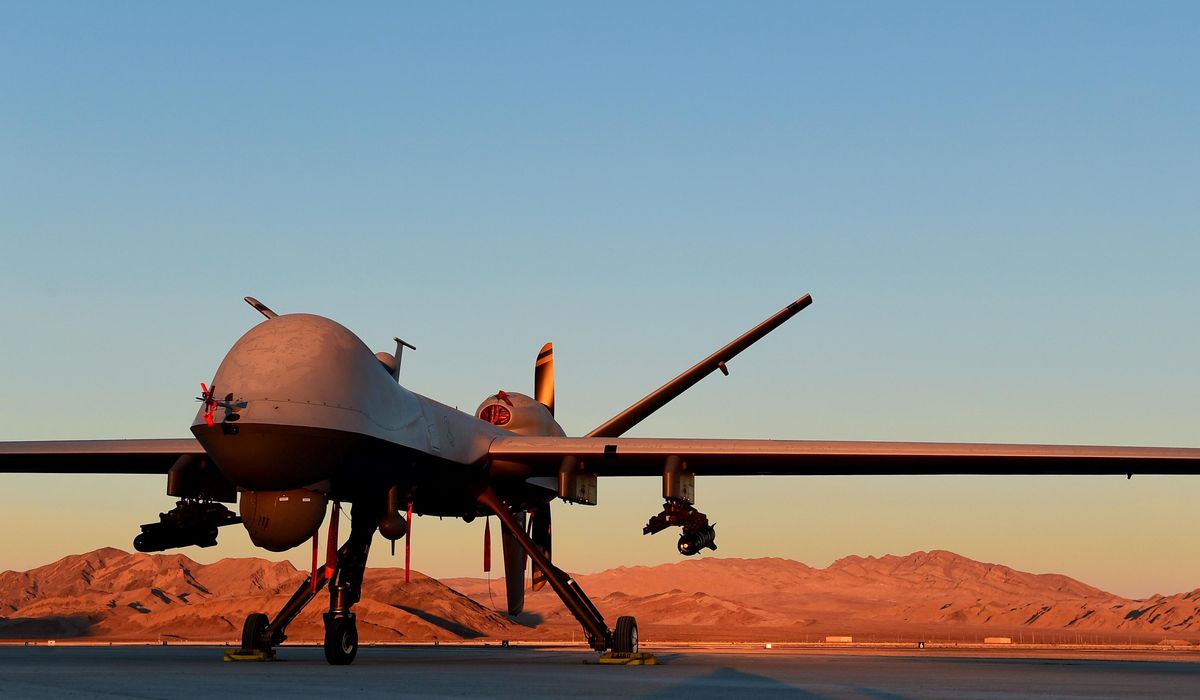
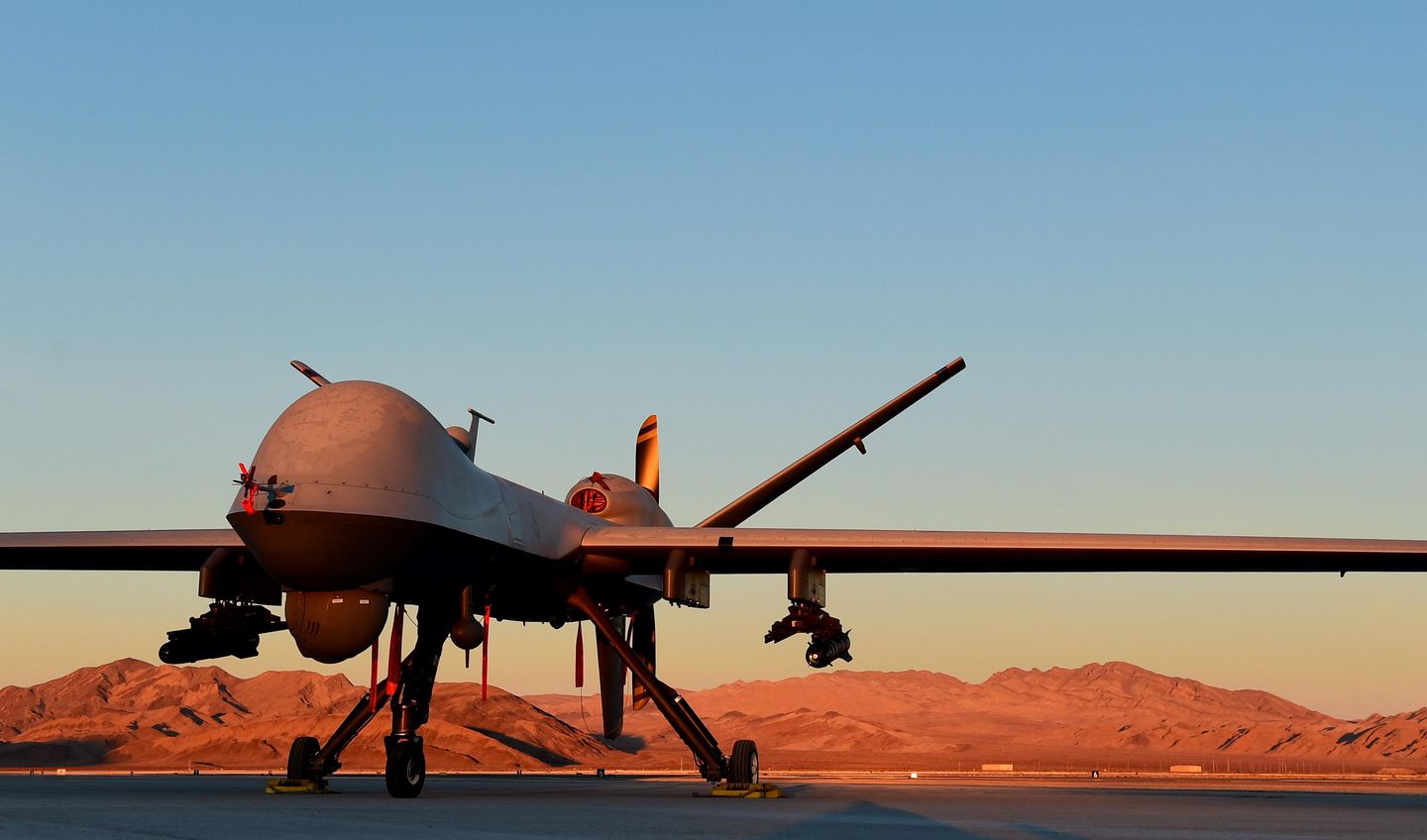
A prototype of an autonomous fighter jet designed and built by General Atomics crashed in the California desert on Monday during takeoff, the company said in a statement.
No one was injured in the incident involving the YFQ-42A jet, an experimental vehicle that General Atomics calls the “Dark Merlin” and is developing as part of the U.S. Air Force’s Collaborative Combat Aircraft (CCA) program.
The cause of the crash has not been made public. General Atomics said it “would be premature to speculate on the circumstances.” The company also said testing operations have been “paused temporarily” for the YFQ-42A, which is designed to fly as a wingman aircraft to existing, piloted fighter jets in the U.S. arsenal.
The prototype that crashed is one of only a handful that have been created at production-representative standards and regularly flown for testing. A full investigation into the incident is expected from both the Air Force and General Atomics.
“Our focus right now is on gathering data,” General Atomics said in its statement. “Ensuring we learn from this event.”
The San Diego-based defense and technology contractor has long been a leader in major drone platforms undergirding U.S. military dominance over unmanned aerial operations around the world. Most notably, the Predator, MQ-9A Reaper and MQ-9B SkyGuardian drones became essential to American operations in the global war on terror during the post 9/11 era.
General Atomics has more recently emerged as a leader in the competition to produce an uncrewed fighter jet for the Air Force.
The YFQ-42A is one of only two such programs to have been accepted by the U.S. Air Force thus far in the race among defense contractors to build the service’s first autonomous teammate, or wingman, meant to augment the capabilities of piloted fighter aircraft.
General Atomics Aeronautical Systems President Dave Alexander told The Washington Times’ Threat Status platform during an exclusive video interview earlier this year that a goal of the CCA is to give the Air Force the capability of “dogfighting at the speed of computers, not at the speed of pilots.”
The CCA program received applications from Boeing, Lockheed Martin, Northrop Grumman and Anduril. Only Anduril and General Atomics were accepted to continue in the first phase.
The program aims to leverage newly developed artificial intelligence and machine learning technology to build a combat aircraft capable of assisting a fighter pilot in a future fight.
A new Anduril factory in Ohio, known as Arsenal-1, is set to begin producing its version of a CCA aircraft this year, with the company initially saying in January that it would produce its YFQ-44A, known by the company as Fury, in the second quarter of 2026, according to the company’s press releases.
Anduril has said building the CCA is “fundamental to our national security,” but that it would require an “extremely aggressive” timeline to achieve.
The General Atomics and Anduril aircraft are in direct competition for the Air Force’s first phase of the CCA program. The service says it wants to finalize a selection by the end of September.
The crash of the General Atomics drone, as well as the investigations into the incident, could have significant impacts on the program.
The crash was first reported by Breaking Defense.
“Safety is our top priority, for our people and the public. In this case, established procedures and safeguards worked as intended, and there were no injuries,” C. Mark Brinkley, a General Atomics spokesman, said in a statement. “We’re going to take a close look at what happened, gather all the data, and allow the investigation to guide us moving forward.”
• National Security Editor Guy Taylor contributed to this story.