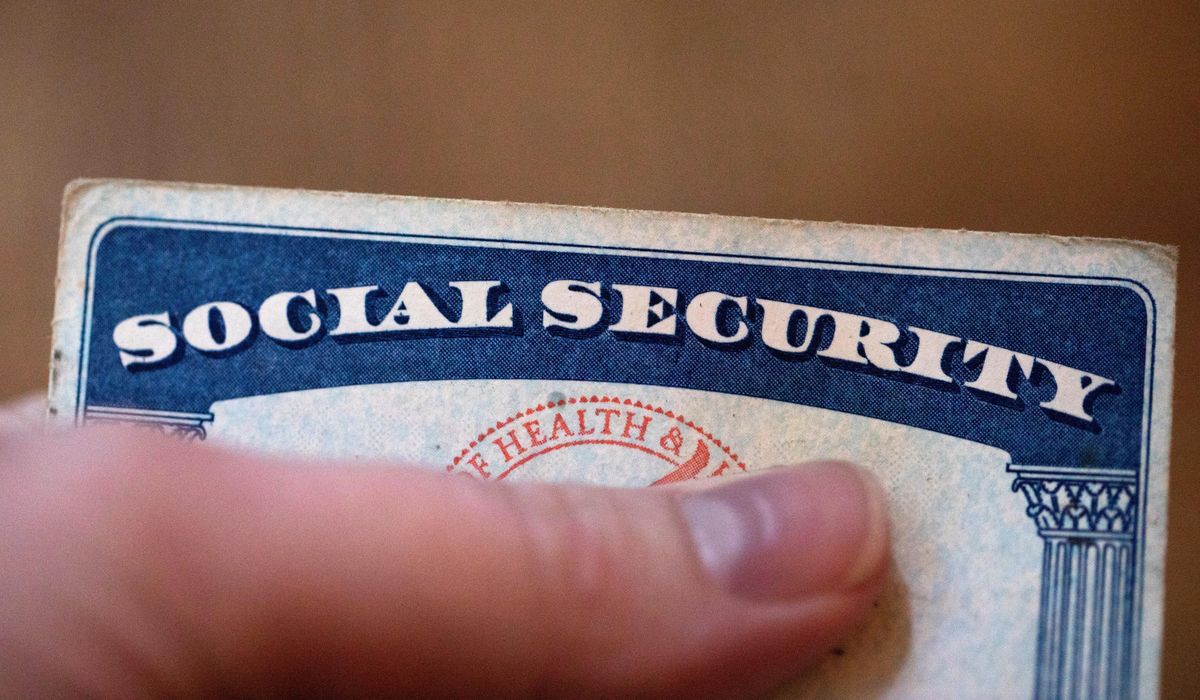
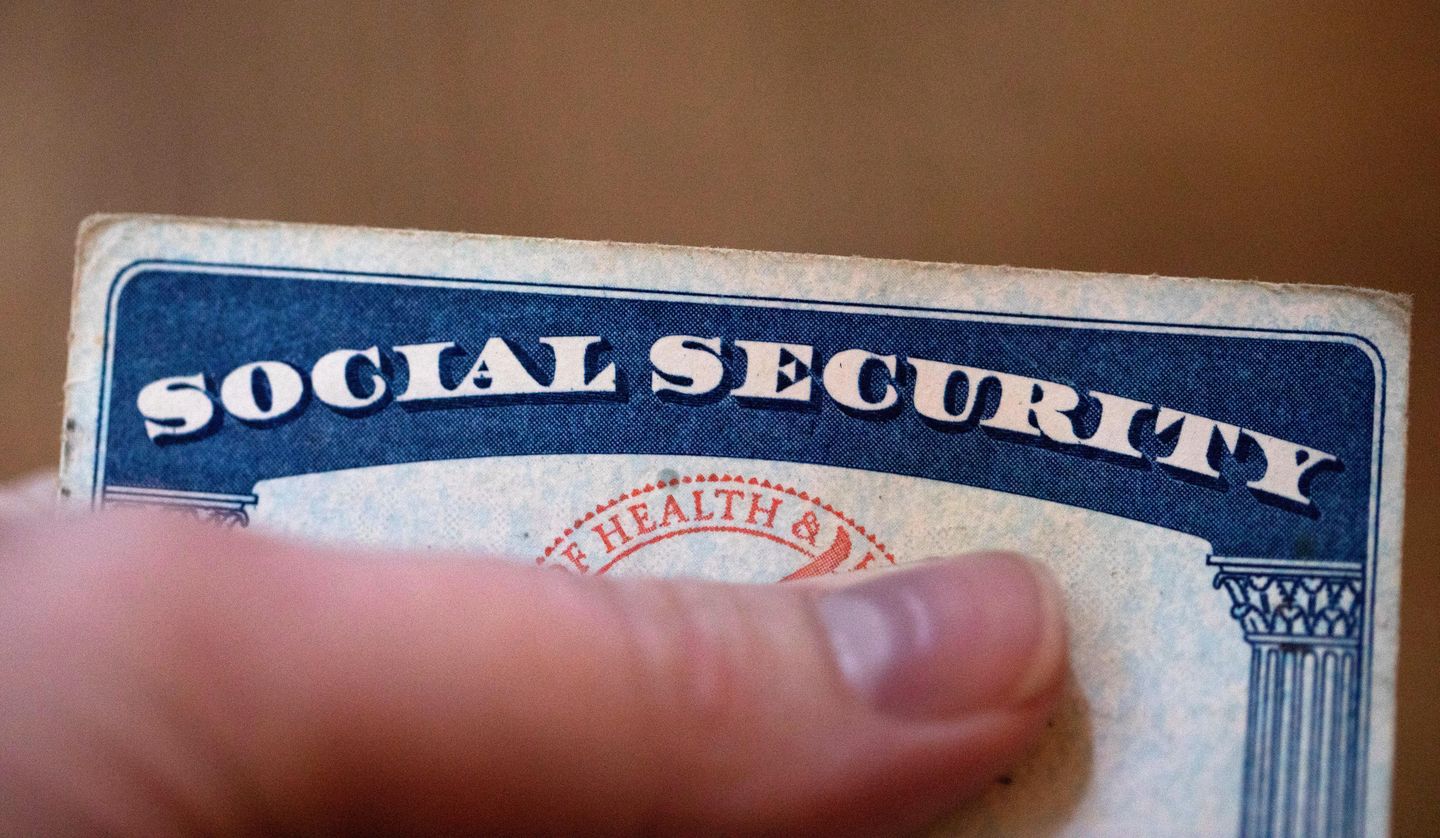
The Social Security Administration is warning the public to be on guard against scammers who impersonate the agency through phone calls, texts, emails, social media messages and letters, according to an SSA consumer protection page.
Criminals posing as SSA or Office of the Inspector General employees may use real staff names and send official-looking documents as “proof” of their identity, the agency said. Scammers may also manipulate caller ID to appear as though they are calling from legitimate government or local numbers.
The SSA outlined four common signs of a scam: the contact pretends to be from a known agency or organization; claims there is a problem or a prize; pressures the target to act immediately; and demands payment in a specific way.
The agency said it will never threaten arrest or legal action, suspend a person’s Social Security number, demand secrecy, or request payment through gift cards, prepaid debit cards, wire transfers, cryptocurrency or mailed cash. Social Security will also never pressure individuals to share personal information immediately or ask them to move money into a so-called “protected” account.
Fraudsters have also created imposter social media pages using SSA imagery and terminology to appear official and solicit sensitive financial or personal information. The agency warned that Social Security does not request such information through social media because those channels are not secure. Signs of a fake page can include misspellings, incorrect handles or links to websites that do not end in “.gov.”
To avoid becoming a victim, the agency advised people to remain calm, avoid engaging with suspicious communications, and not click on unexpected links or attachments. Individuals should not send money or provide personal information in response to unsolicited contact.
Victims should stop contact with the scammer immediately and take steps to protect their financial accounts and personal information. This may include placing fraud alerts with the major credit bureaus — Equifax, Experian and TransUnion — and reporting the incident.
Scams can be reported to the SSA’s Office of the Inspector General at oig.ssa.gov/report. The Federal Trade Commission also offers guidance for victims of fraud at consumer.ftc.gov.
This article was constructed with the assistance of artificial intelligence and published by a member of The Washington Times’ AI News Desk team. The contents of this report are based solely on The Washington Times’ original reporting, wire services, and/or other sources cited within the report. For more information, please read our AI policy or contact Steve Fink, Director of Artificial Intelligence, at sfink@washingtontimes.com
The Washington Times AI Ethics Newsroom Committee can be reached at aispotlight@washingtontimes.com.