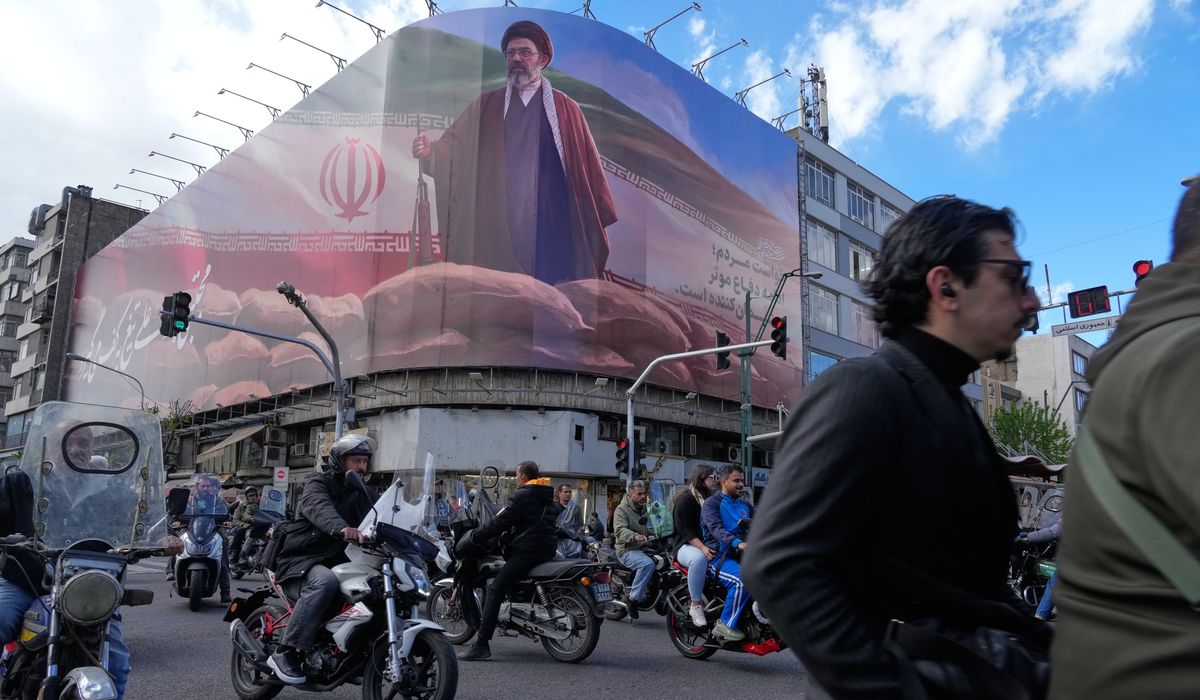
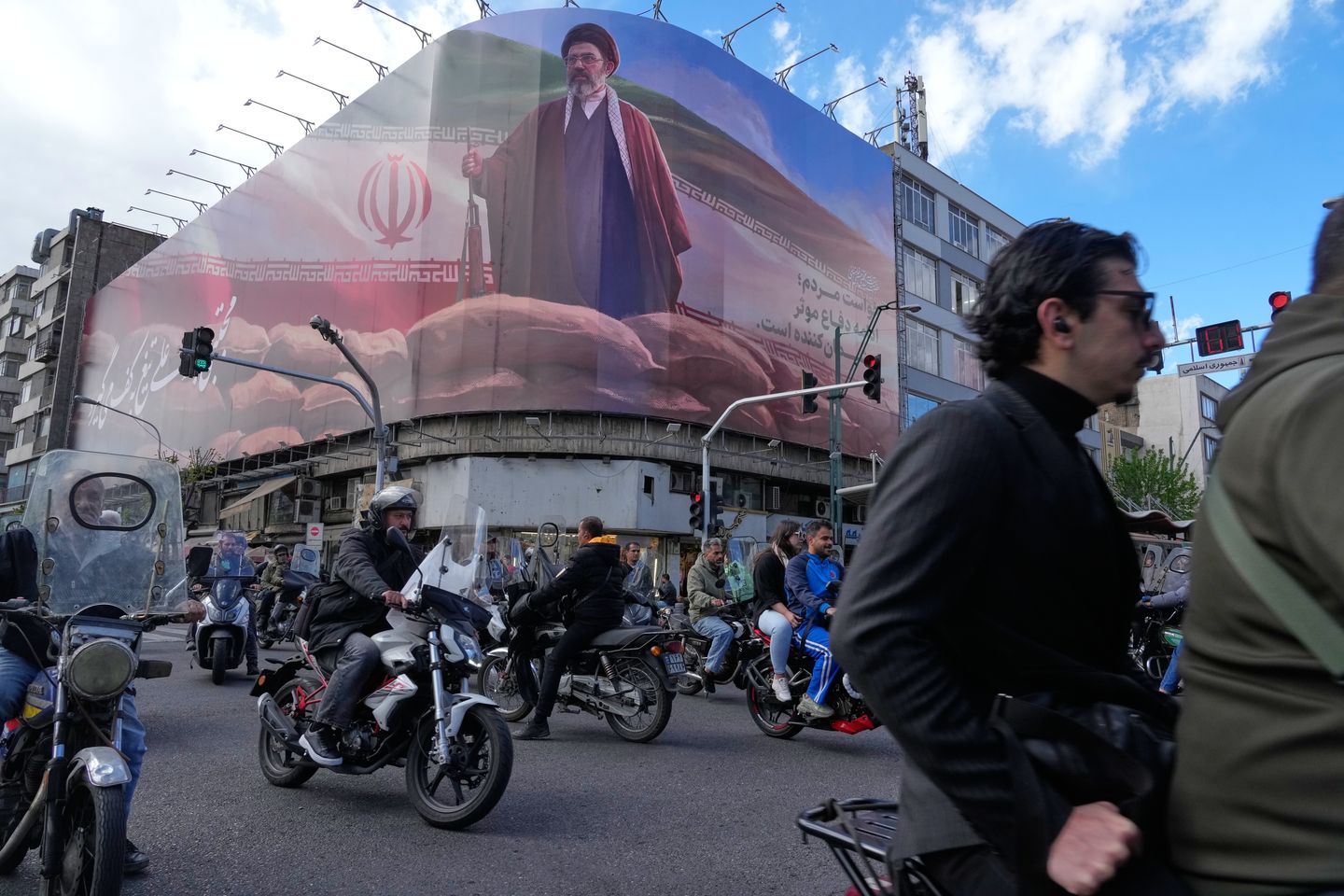
Iran on Monday issued a defiant response to the U.S.’s 45-day ceasefire proposal, rejecting a temporary pause to the war and calling for a lasting resolution that considers Tehran’s security.
In a 10-point response, Iran asserted through Pakistani intermediaries that any temporary ceasefire would be unacceptable, citing prior experiences with the U.S. and Israel, and called for a comprehensive peace agreement that would permanently end hostilities.
The state-affiliated IRNA news agency was the first to report on the Iranian proposal. IRNA said the proposal was drafted after “comprehensive reviews at the highest levels of the system” and “submitted following developments over Saturday and Sunday.” The full text of the response has not been released.
In addition to a comprehensive peace agreement, Iran’s counteroffer demands the lifting of Western sanctions, reparations for domestic reconstruction efforts and protocols to ensure the safe passage of ships through the Strait of Hormuz. Iran has kept the strait effectively closed since early March.
Iran’s reported proposals are consistent with the demands of Iranian officials since the start of the war and indicate that Iran may be preparing for a U.S.-led escalation in the conflict.
President Trump set April 6 as a deadline for Tehran to reopen the Strait of Hormuz or face strikes on power plants and other civilian infrastructure targets. On Monday, Mr. Trump extended his deadline until 8 p.m. EDT Tuesday.
SEE ALSO: Trump says U.S. could wipe out Iran ‘tomorrow night’
In its response on Monday, Iran said Mr. Trump extended his deadline to distance himself from prior threats and called the U.S. operation to rescue two Air Force Pilots over the weekend a “catastrophic failure.”
An Iranian missile downed a U.S. F-15E Strike Eagle over southwestern Iran on Friday, forcing the pilot and weapons officer to eject. Iranian media said the jet was shot down by a “new advanced air defense system of the IRGC [Islamic Revolutionary Guard Corps] Aerospace Force.” Iranian leaders said the downing was proof that Iran retained the upper hand in the conflict.
The pilot was rescued within hours by U.S. forces and a U.S. heliborne operation successfully rescued the weapons systems officer, who had been hiding in a mountain enclave, on Sunday.
Pakistani mediators reportedly have been working with U.S. and Iranian diplomats to find a peaceful solution to the war, now in its second month. Pakistan’s army chief Asim Munir was in contact with U.S. Special Envoy Steve Witkoff, J.D. Vance and Iran’s Foreign Minister Abbas Araghchi “all night” on Sunday, according to reporting from Reuters.