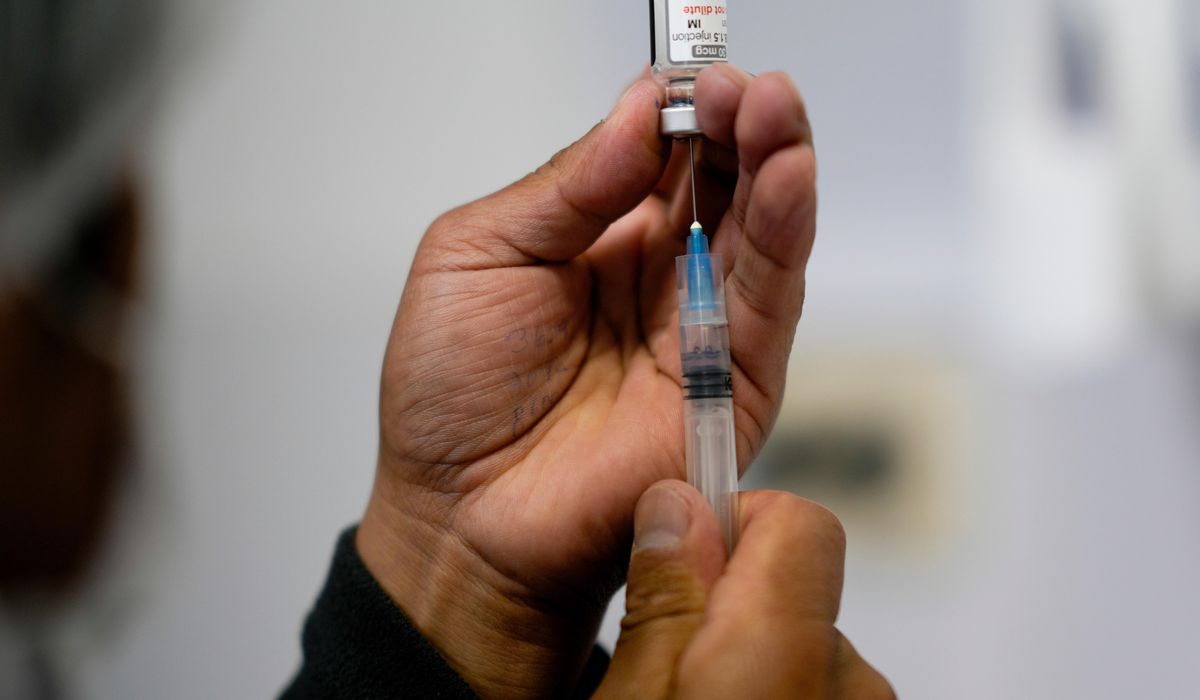
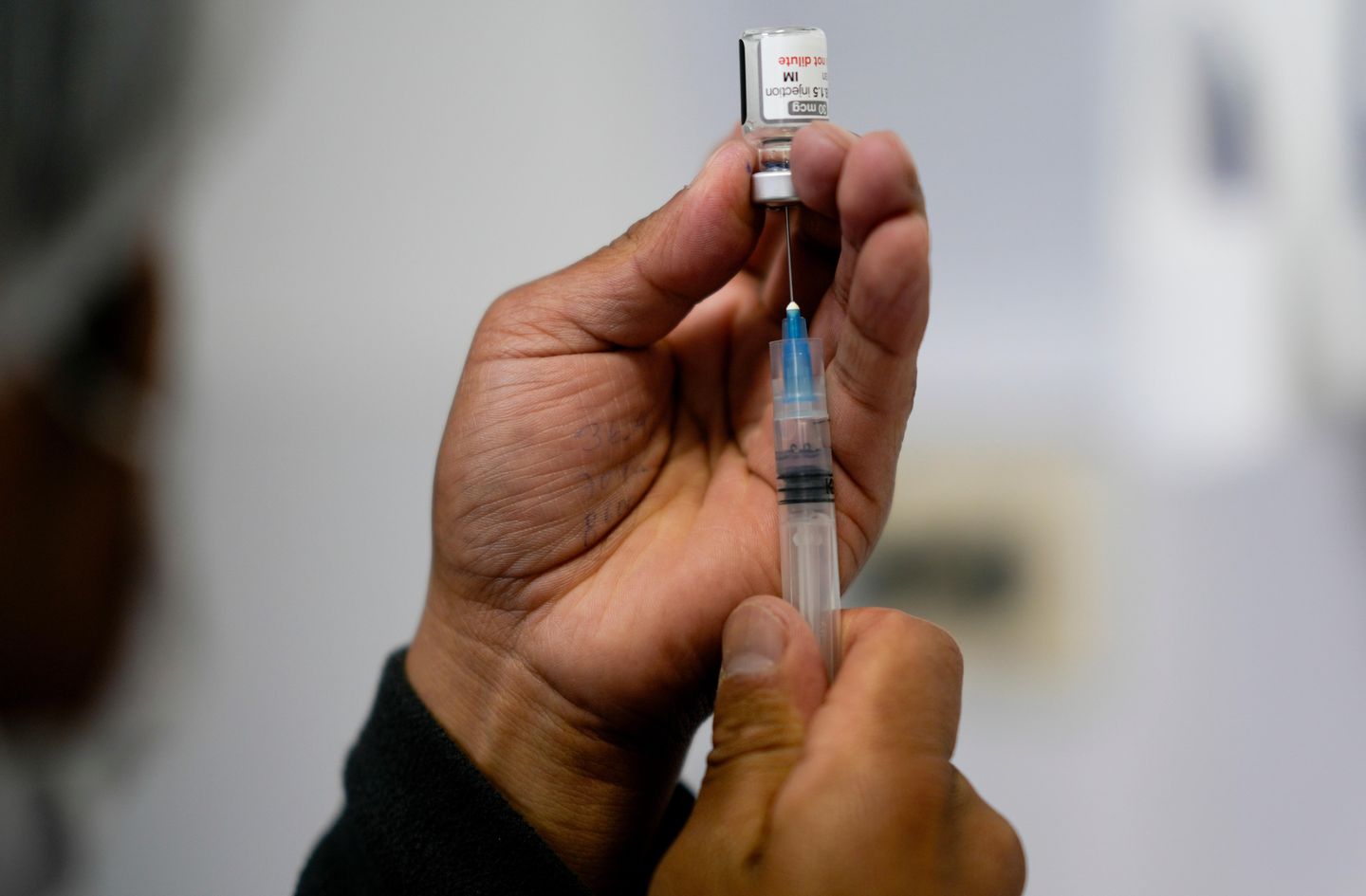
A heavily mutated COVID-19 variant is spreading across the United States, and health officials are keeping a close eye on it.
The new strain, BA.3.2, nicknamed “cicada,” has been detected in wastewater samples and a small number of traveler and patient samples across at least 25 states, according to the Centers for Disease Control and Prevention. Although overall COVID case counts remain relatively low nationally, detections of the variant began increasing globally in September 2025, with the highest number of reported cases in the week beginning Dec. 7, 2025.
BA.3.2 was first identified in November 2024 in South Africa and is a descendant of BA.3, an omicron subvariant that briefly circulated in 2022 alongside BA.1 and BA.2. Its ancestor fizzled out but never fully disappeared. Two years and dozens of mutations later, BA.3.2 emerged — and by Feb. 11, it had spread to at least 23 countries.
The variant was first detected in the U.S. in June 2025 in a traveler returning from the Netherlands at San Francisco International Airport. Since then, it has been found in international travelers, COVID patients and wastewater samples.
The “cicada” nickname was coined by T. Ryan Gregory, a professor of evolutionary biology at the University of Guelph. Like the insect it’s named after, BA.3.2 spent its early years largely “underground” before re-emerging as a potential major variant, Mr. Gregory told TODAY.
What sets BA.3.2 apart is the sheer volume of its genetic changes. The variant carries 70 to 75 mutations in its spike protein, distinguishing it from JN.1 and LP.8.1 — the strains targeted by current COVID-19 vaccines. “We think it might be able to evade a lot of the immunity already in the population,” Dr. Andrew Pekosz, a virologist at the Johns Hopkins Bloomberg School of Public Health, told TODAY.
The CDC warned in a March 19 report that monitoring BA.3.2’s spread provides “valuable information” about the variant’s potential to evade immunity from prior vaccination or infection. Dr. Robert H. Hopkins Jr., medical director of the National Foundation for Infectious Diseases, said the number of mutations from JN.1 strains makes it less likely that current vaccines will be highly effective against the cicada variant, though he noted more data is needed.
Despite the alarming mutation count, experts urge caution about drawing premature conclusions. “It looks scary on paper, but it hasn’t really made a big impact in terms of disease in most places yet,” Dr. Pekosz said. There is no evidence that BA.3.2 is causing more severe illness or hospitalizations in countries where it is more widespread, Dr. Adolfo Garcia-Sastre, director of the global health and emerging pathogens institute at Mount Sinai, told TODAY.
The World Health Organization, which classified BA.3.2 as a “variant under monitoring” in December 2025, said current COVID vaccines are still expected to provide protection against severe disease. BA.3.2 has not shown a sustained growth advantage over other co-circulating variants, and has not yet fueled enough cases to appear on the CDC’s variant proportion tracker.
According to CDC wastewater monitoring data, BA.3.2 was found in at least 11% of samples nationally during the week ending March 21.
The symptoms of BA.3.2 are similar to those of other currently circulating variants, the CDC says. Common symptoms include cough, fever or chills, sore throat, congestion, shortness of breath, fatigue, headache, loss of smell or taste and gastrointestinal issues. Symptoms typically resolve on their own with supportive care. Existing antiviral treatments are also expected to remain effective.
Dr. Hopkins warned that a U.S. summer surge driven by cicada is possible, though far from guaranteed. Dr. Pekosz added that if BA.3.2 had a truly decisive advantage over other strains, “we’d probably have seen it take off and dominate globally relatively quickly,” he told TODAY. “We didn’t see that, but it’s not going away, so it’s something to keep an eye on.”
This article was constructed with the assistance of artificial intelligence and published by a member of The Washington Times’ AI News Desk team. The contents of this report are based solely on The Washington Times’ original reporting, wire services, and/or other sources cited within the report. For more information, please read our AI policy or contact Steve Fink, Director of Artificial Intelligence, at sfink@washingtontimes.com
The Washington Times AI Ethics Newsroom Committee can be reached at aispotlight@washingtontimes.com.