California’s education system continues to search for answers while student performance struggles to recover. In one case, the Merced City School District approved a contract worth about $270,000 to bring a rap-based curriculum into classrooms, even as academic performance remains weak.
The district serves over 11,000 students, yet only 13% meet math proficiency standards. The program includes a summer “Rap Camp” and specialized programming tied to cultural themes, all framed to boost student engagement.
The curriculum comes from School Yard Rap, founded by Brandon Brown, a former teacher who promotes music-driven instruction. Lessons include songwriting, DJ work, and performances that connect history and culture through rhythm and storytelling.
“The School Yard Rap curriculum transforms history lessons into relatable characters presented through songs and storytelling—resulting in emotional connection,” the School Yard Rap website states.
Established in 2016, School Yard Rap, which operates in 28 states, presents “a world where learning meets rhythm, exploring diverse cultures and subjects through interactive music-infused modules.”
Merced has handed out $610,000 worth of contracts to School Yard Rap, the Post reported. Fox News Digital has reached out to the school district and School Yard Rap.
Supporters believe that approach helps students stay interested in school, an argument that sounds appealing, yet it doesn’t resolve a basic concern. Students struggling with reading and math need direct, structured teaching that builds skills step by step, while a program centered on performance and expression risks shifting attention away from those core needs.
The financial side raises its own concerns; the district has already committed over $600,000 in total contracts tied to the program, a level of spending that stands out in a district already dealing with low performance and limited resources.
When outcomes remain weak, large investments in unproven strategies invite scrutiny, making leaders accountable for whether those dollars would deliver more value if directed toward tutoring, teacher support, or curriculum improvement that’s focused on the fundamentals.
Federal officials have also taken notice. Harmeet Dhillion, assistant attorney general for civil rights at the DOJ, has warned that race-based programming raises legal concerns, stating that offering benefits based solely on race would violate federal law if proven true.
The Merced program includes an “African American Affinity Group,” which has drawn attention because of how it organizes students. Those details place the district in a position where innovation intersects with legal boundaries.
That’s a concern that doesn’t exist in isolation. Attorney General Pam Bondi and federal civil rights officials have recently taken action in other California districts over programs that classify or treat students differently based on race.
Federal filings have challenged policies that assign benefits or resources using racial categories, arguing that such practices conflict with equal protection principles. These actions signal a broader push to examine how districts design programs and whether they comply with federal law.
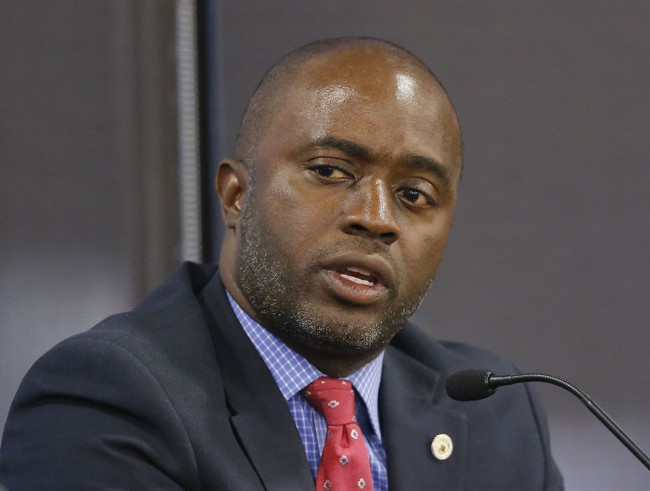
California’s education leadership continues to face pressure amid lagging results. State Superintendent Tony Thurmond oversees a system where many students remain below grade level in reading and math. Years of declining performance have created urgency, yet urgency alone doesn’t guarantee sound decisions.
Districts often reach for new ideas in hopes of turning things quickly around. Some ideas may help in limited cases, yet large-scale adoption without clear evidence can deepen existing problems rather than solve them.
Local school boards and administrators are responsible for these choices, deciding how to allocate funding, which programs to adopt, and how to measure success. When a district with low performance heavily invests in a music-based curriculum, it signals a shift in priorities.
Families watching those decisions want reassurance that leaders remain focused on academic growth, not just student engagement. Engagement matters, but it doesn’t replace the need for measurable progress in reading, writing, and math.
Merced’s situation reflects a larger issue across parts of the country, where education systems under pressure turn to bold or unconventional strategies. Some of those strategies generate attention and short-term excitement, while long-term improvement depends on whether students gain the skills they need to succeed beyond the classroom. Without that foundation, new programs risk becoming distractions rather than solutions.
California schools don’t lack funding or attention; they face a deeper challenge rooted in priorities and execution. A rap-based curriculum may draw interest, but interest alone doesn’t raise test scores or close learning gaps.
Leaders must decide whether to continue experimenting or return to methods that have proven results over time. Students deserve clarity, consistency, and a focus on skills that prepare them for the future.
Get more in-depth analysis and unfiltered insight by joining PJ Media VIP today. Right now, save 60% with promo code FIGHT when you sign up. Support independent writing and unlock exclusive content that stays focused on what matters.