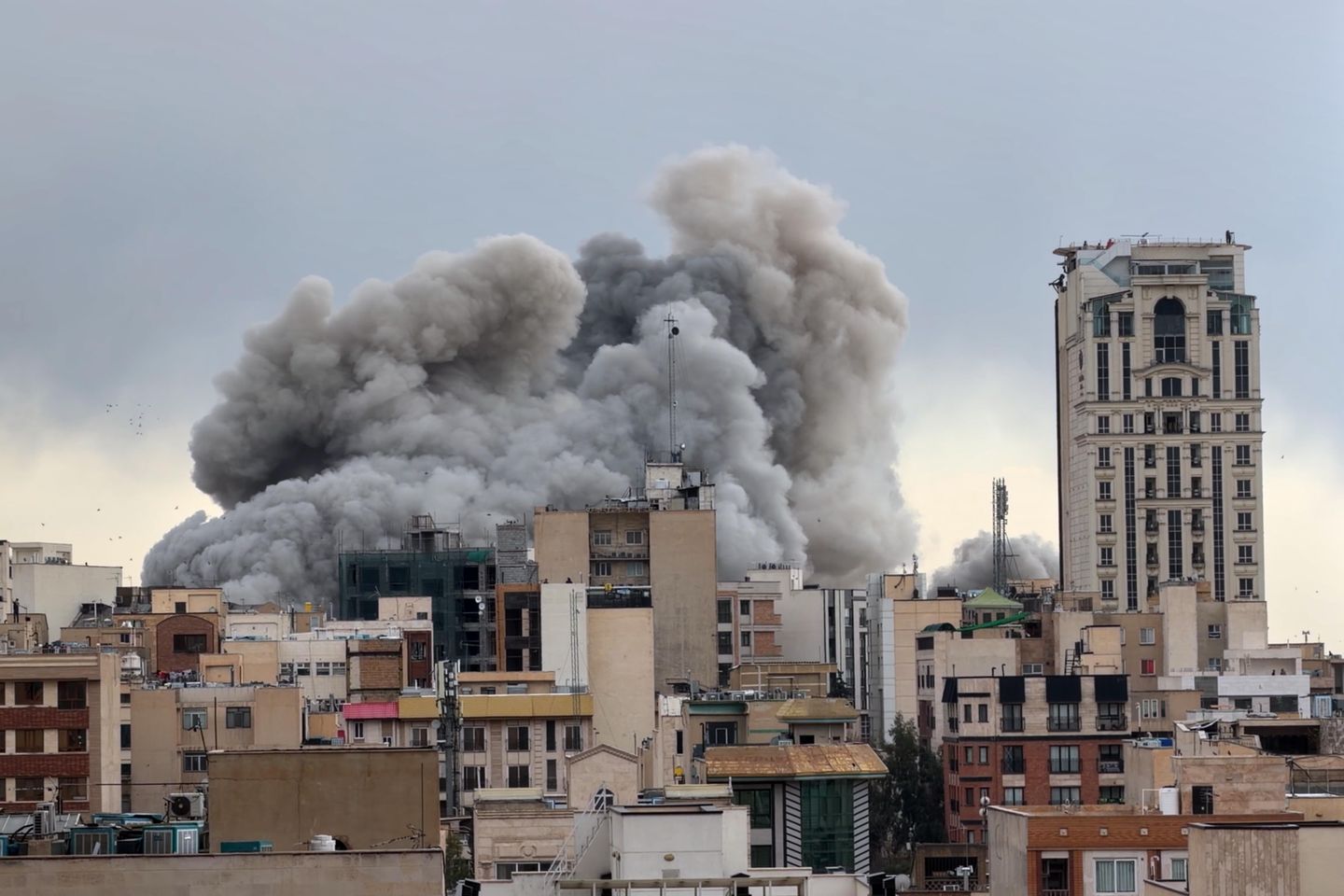
The U.S. and Israel opened the door Monday to a peace deal with Iran and the potential end to a bloody conflict that has upended Middle East politics, wreaked havoc on the global economy and fueled fears about whether America is being sucked into a new forever war.
Yet just hours after President Trump said his administration was in talks with a “respected” Iranian leader who wants “to make a deal,” top Iranian officials denied any direct talks with the U.S. Israeli Prime Minister Benjamin Netanyahu said Mr. Trump spoke with him about a possible agreement that protects Israel’s interests. Turkey and Egypt are reportedly mediating between Washington and Tehran.
Those conflicting accounts didn’t stop a resurgence on Wall Street, which posted its best day since the Iran war began nearly a month ago. Brent crude oil prices dipped back below $100 per barrel despite Iran’s continued blockade of the Strait of Hormuz, a key waterway for transporting oil and other commercial goods out of the Persian Gulf.
The positive economic news was reported after Mr. Trump announced that he would extend his deadline for Iran to reopen the strait. The president said Iran now has until the end of the week.
The extension marked a significant departure from Mr. Trump’s demand over the weekend that Iran open the narrow waterway or face U.S. attacks on its domestic power stations. Attacking Iran’s civilian energy infrastructure would be a major escalation in the conflict. Tehran vowed to respond in kind against similar power centers across the region.
At a law enforcement roundtable in Memphis, Tennessee, Mr. Trump again said Iranian officials want to make a deal, but he implied that time was running out.
“Iran has one more opportunity to end its threats to America and its allies,” Mr. Trump said. “I hope they take it.”
Mr. Netanyahu said Mr. Trump confirmed that he was optimistic about leveraging existing military victories over Iran in diplomatic talks. He did not say whether Israel would be involved in peace talks.
“President Trump believes there is an opportunity to leverage the tremendous achievements we have reached alongside the U.S. military to realize the goals of the war through an agreement that will safeguard our vital interests,” the Israeli leader said.
New rounds of fighting
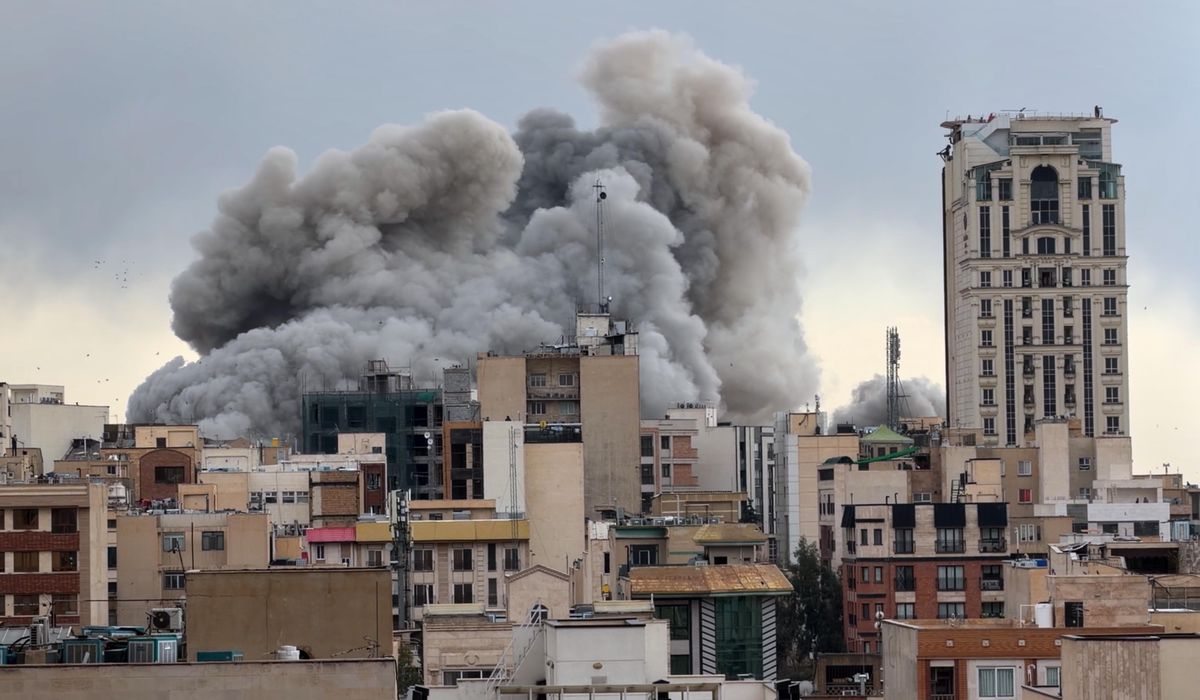
Mr. Netanyahu said Israel would continue its strikes against strategic targets in Iran and in Lebanon, home to the Iran-backed extremist group Hezbollah. The Israeli and U.S. militaries said their forces conducted more attacks on Iranian security centers in Tehran and military targets in other parts of the country, suggesting that the apparent diplomacy will not lead to an immediate ceasefire.
Senior Iranian officials strongly denied participating in any negotiations. Mohammad-Bagher Ghalibaf, Iran’s parliamentary speaker, said such claims were false and that Mr. Trump had ulterior motives.
“No negotiations have been held with the U.S., and fake news is used to manipulate the financial and oil markets and escape the quagmire in which the U.S. and Israel are trapped,” Mr. Ghalibaf wrote on X.
The Iranian Foreign Ministry echoed Mr. Ghalibaf’s remarks. Esmaeil Baghaei, a spokesperson for the Foreign Ministry, said Mr. Trump was creating imaginary diplomatic negotiations to buy time before U.S. Marines deployed to the region. The Pentagon is reportedly preparing to deploy about 5,000 Marines.
The Pentagon has requested an additional $200 billion to fund the war, suggesting the conflict could last much longer. The administration is also thought to be considering using U.S. military personnel to seize key Iranian assets, such as the country’s stockpile of enriched uranium. Mr. Trump suggested Monday that Iran might voluntarily hand over the uranium as part of a peace deal.
The president refused to identify whom exactly U.S. officials were communicating with in Iran, but he insisted that they were a “top person” in the country’s leadership. He added that he was afraid to reveal any names because it could put their life in danger.
The Israeli military has assassinated several of Iran’s top security officials, including its supreme leader, Ayatollah Ali Khamenei, the leader of its Supreme National Security Council, Ali Larijani, and Intelligence Minister Esmaeil Khatib. There are also fears that any Iranian official negotiating with the U.S. could become a target for Iranian hard-liners who oppose such negotiations.
Diplomatic track
British Prime Minister Keir Starmer indicated that he was aware of the U.S.–Iran talks. He suggested that Washington’s key allies are at least being kept in the loop.
“We, the U.K., were aware that was happening,” Mr. Starmer said.
U.S. Special Envoy Steve Witkoff and Mr. Trump’s son-in-law Jared Kushner are reportedly leading the discussions on the U.S. side. Both men led the indirect nuclear talks with Iran in February before the war began.
Other reports suggest that Iranian officials have ruled out negotiating with Mr. Kushner or Mr. Witkoff after their experiences during those February talks. Vice President J.D. Vance has reportedly been floated as an alternative.
Mr. Albusaidi said the ongoing war is not of Iran’s making and that the economic fallout of the strait’s closure could create more problems if the war continues.
Indeed, the closure of the Strait of Hormuz and Iran’s attacks on Gulf energy infrastructure have caused chaos in global energy markets. The price of oil and gas has risen by more than 50% since the start of the war, creating one of the world’s worst energy crises, according to the International Energy Agency.
The war’s broad geopolitical fallout was also on display Monday. Ukrainian President Volodymyr Zelenskyy said on social media that his country has “irrefutable evidence” of Russia giving Iran intelligence. The White House has previously brushed off claims that Moscow is helping Iran target U.S. military assets in the region, but the alleged cooperation could be a key example of how American adversaries are collaborating on military and intelligence matters.
• Tom Howell Jr. contributed to this article, which is based in part on wire service reports.