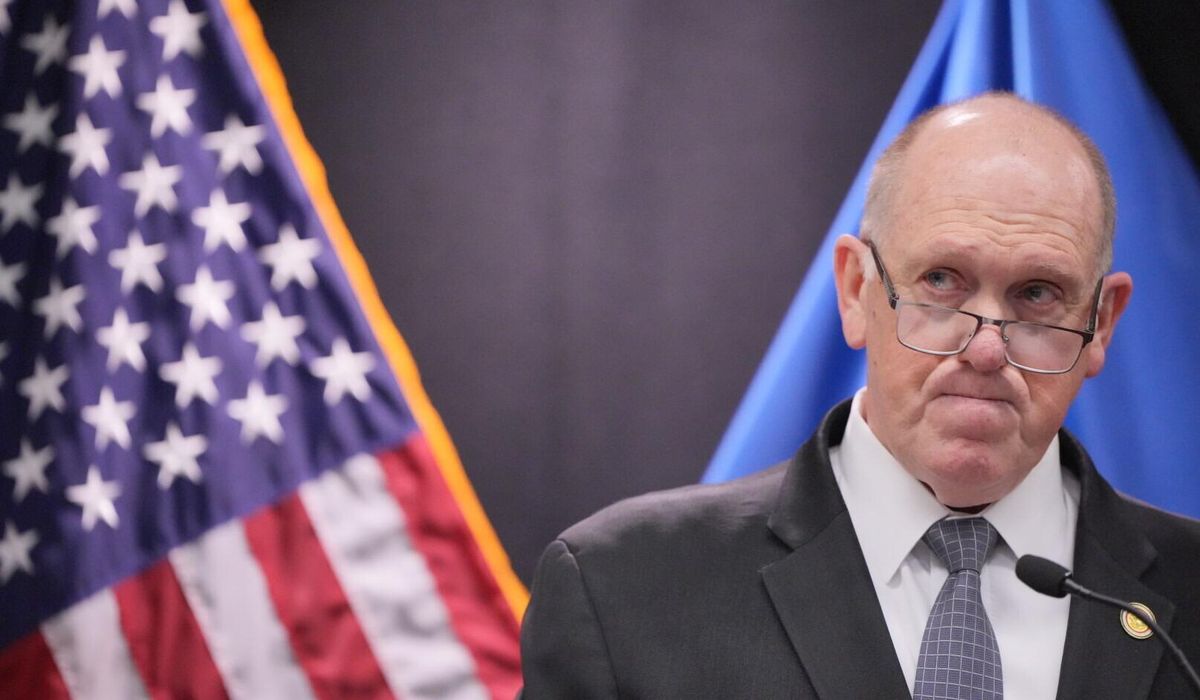
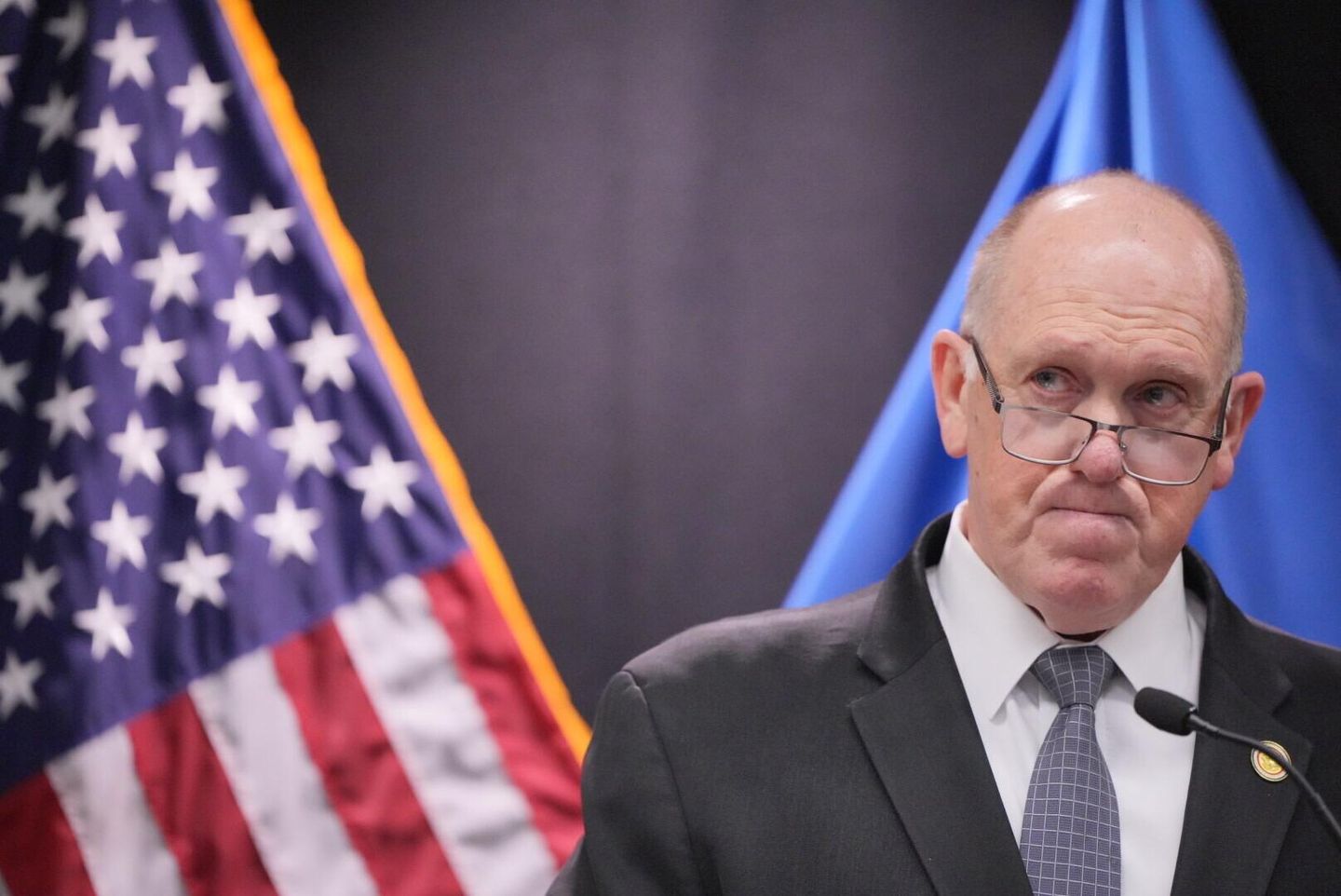
Top Senate appropriators and centrist dealmakers met with White House border czar Tom Homan on Thursday to negotiate an end to the month-long shutdown of the Department of Homeland Security, but left the negotiating session still far from a deal.
Senate Appropriations Chair Susan Collins, Maine Republican, said there was “robust discussion” in the meeting and some progress, but that a deal remains elusive as Democrats added to the immigration enforcement policy changes they are seeking.
“No one wants to see the Department of Homeland Security closed down, but unfortunately, the Democrats’ list of demands keeps growing, and that makes it difficult,” she said.
Ms. Collins did not elaborate on the new demands, nor would Democrats discuss details of Thursday’s negotiations.
The Democrats’ previous demands include dramatically restricting where federal immigration agents can make deportation arrests, requiring judicial warrants to enter private property to arrest illegal immigrants, and prohibiting agents from wearing masks.
They’ve traded offers with the White House over the last month, but Thursday’s meeting was the first formal sit-down among top negotiators.
Washington Sen. Patty Murray, the top Democratic appropriator, said the two sides are no closer to a deal but otherwise declined to characterize the talks.
Mr. Homan also declined to reveal details.
“We need to get the government open and we’re going to keep having discussions,” he said.
Senators who participated in the meeting include GOP appropriators Katie Britt of Alabama and John Hoeven of North Dakota, as well as centrist Democrats who helped negotiate an end to last fall’s government-wide shutdown: Catherine Cortez Masto of Nevada, Maggie Hassan of New Hampshire and Maine independent Angus King.
The majority of the government is fully funded through September, but DHS has been operating in a shutdown since Feb. 14. Some employees have been furloughed, but the majority of DHS staff serve in roles deemed essential and are working without pay.
Senate Majority Leader John Thune said the impasse needs to be resolved by the end of next week, when both chambers of Congress are scheduled to take a two-week recess for the Easter and Passover holidays.
“I can’t see us taking a break if the government is still shut down,” he said.
Democrats have blocked GOP efforts to fully fund DHS as they push their immigration enforcement demands.
They’ve offered to fund DHS agencies not involved in the dispute – including the Transportation Security Administration, Federal Emergency Management Agency, the Cybersecurity and Infrastructure Security Agency and the Coast Guard – but Republicans have rejected that overture as an effort to defund law enforcement.
Sen. John Kennedy, Louisiana Republican, suggested his GOP colleagues should accept Democrats’ offer to fund most of DHS and then use the filibuster-proof budget reconciliation process to provide more funding for U.S. Immigration and Customs Enforcement and Customs and Border Protection, as they did last year.
“Right now, everybody’s just sitting around, going to a bunch of meetings, and the Democrats are not going to budge, and they’ve given no indication that they’re going to budge,” he said. “So why don’t we accept reality?”
Democrats believe they have the political upper hand, arguing the American people are demanding immigration enforcement changes after agents conducting operations in Minneapolis earlier this year killed two American citizens, Alex Pretti and Renee Good, who were protesting against ICE.
The president put Mr. Homan in charge of his deportation force after the killings, and the administration wound down its enforcement operations in Minneapolis.
Mr. Trump later removed Kristi Noem as DHS secretary and nominated Oklahoma GOP Sen. Markwayne Mullin to replace her.
During his confirmation hearing Wednesday, Mr. Mullin said he would order ICE to curtail entry into homes and businesses without a judicial warrant, except in instances where officers are in pursuit of a subject, and keep agents away from polling sites unless there is a specific threat.
ICE last year adopted a policy of allowing entry under an administrative warrant in certain instances, which Democrats are fighting in the DHS funding negotiations.
House Minority Leader Hakeem Jeffries, New York Democrat, said Democrats cannot trust the nominee’s word and still want “ironclad” changes in the law.
“Our view is very clear, hard line in the sand: No ICE activity at sensitive locations, which include but are not necessarily limited to schools, houses of worship, hospitals and polling sites,” he said.