A grooming scandal that has been discussed for years in London is finally getting attention.
MPs and London Assembly members are demanding an urgent investigation into grooming gangs in the city. They say authorities have failed to act on reports from survivors about the systematic abuse and exploitation of girls as young as 14.
This comes after a BBC investigation uncovered stories of young women being drugged, assaulted by multiple men, and forced into sex work to pay off drug debts. These cases are similar to those in Rotherham and Rochdale, where thousands of girls were abused over many years.
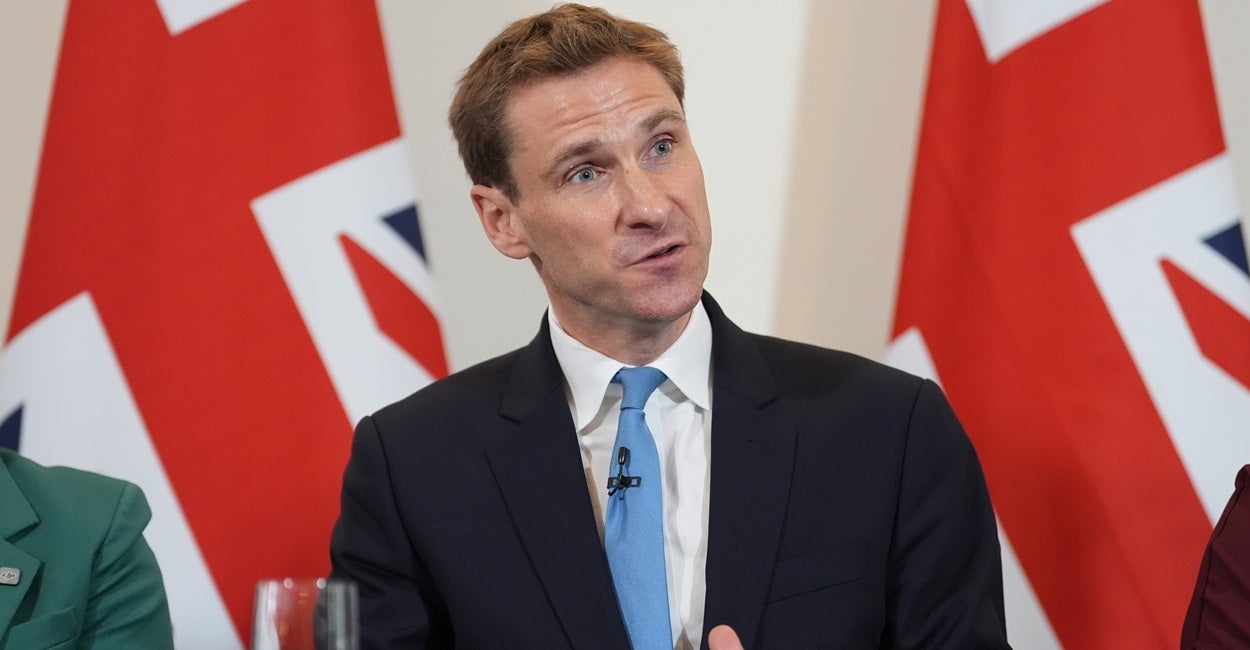
The letter, signed by figures such as Shadow Home Secretary Chris Philp and former Conservative leader Iain Duncan Smith, was sent to Home Secretary Shabana Mahmood and London Mayor Sadiq Khan. It calls for the national inquiry into grooming gangs to focus on London.
Khan has been criticized for saying there were “no reports and no indication” of organized abuse in the city and for not addressing questions about whether Muslim rape gangs have operated there. Critics now accuse him of ignoring the issue.
The Metropolitan Police are reviewing 9,000 child sexual exploitation cases, with estimates suggesting that 2,000 to 3,000 involve grooming gangs. As in earlier scandals, most suspects are men of Pakistani heritage accused of targeting white English non-Muslim girls.
Grooming gangs have operated for decades and have faced little interference, with group-based child exploitation dating back to at least the mid-1970s. Authorities often overlooked these crimes while focusing on other types of child abuse. The problem became widely known in the 1990s and 2000s, but institutional failures allowed it to continue.
Nearly 100 trials and convictions have occurred in over 40 towns and cities across the U.K., including Rotherham, where more than 1,400 victims were identified between 1997 and 2013, as well as in Rochdale, Oxford, Telford, and Huddersfield.
Despite this, London’s mayor has said there are no such cases, or none on the same scale, in the capital. This has led to public anger, especially as the Metropolitan Police review thousands of old cases.
This issue has been ongoing for years. The grooming gang crisis in Britain reveals a pattern of organized groups, often made up of Muslims, targeting white working-class girls.
Authorities sometimes dismissed these cases out of fear of being accused of racism or Islamophobia. In Rotherham, a 2014 independent inquiry found that police and social services ignored evidence for years because they worried about “community tensions” and being labeled as bigots. Whistleblowers were called racists. As a result, offenders acted without fear for years, while victims were ignored or blamed.
Similar problems continue today. Labour recently adopted a definition of “anti-Muslim hostility,” replacing the term “Islamophobia.” Critics say this change could make it harder to discuss cultural or religious factors in these crimes. Using religious terms to describe grooming gangs might now be seen as problematic under the new guidelines, which could affect public debate and investigations. If journalists are accused of Islamophobia for reporting on grooming gangs, it could discourage important journalism.
The U.K.’s nightmare—decades of impunity shielded by political correctness—is a clear warning for your porous southern border and unchecked immigration. With millions crossing under prior policies, including coming from regions with similar attitudes toward women, the risk of imported grooming networks grows.
In states like Minnesota and Michigan, vulnerabilities in certain communities have seen exploitation spikes, often downplayed amid cries of Islamophobia. FBI reports on human trafficking flag risks in migrant populations.
Accusations of bigotry have stopped important discussions in the U.K., and a similar pattern is emerging in the U.S. If you put “inclusivity” ahead of safety, as U.K. authorities did, you risk making the same mistakes. Victims in London today, who have suffered greatly, were let down by a system afraid to offend. In the U.S., policies like sanctuary cities and diversity initiatives could lead to similar problems.
This is about protecting children regardless of perpetrators’ backgrounds. Britain’s belated probe illustrates the cost of delay: shattered lives and damaged trust. For the U.S., the lesson is clear—vigorously enforce laws, rigorously vet immigrants, and defend free speech against smear tactics.
Ignore the dangers, and your daughters will pay the price.
We publish a variety of perspectives. Nothing written here is to be construed as representing the views of The Daily Signal.